
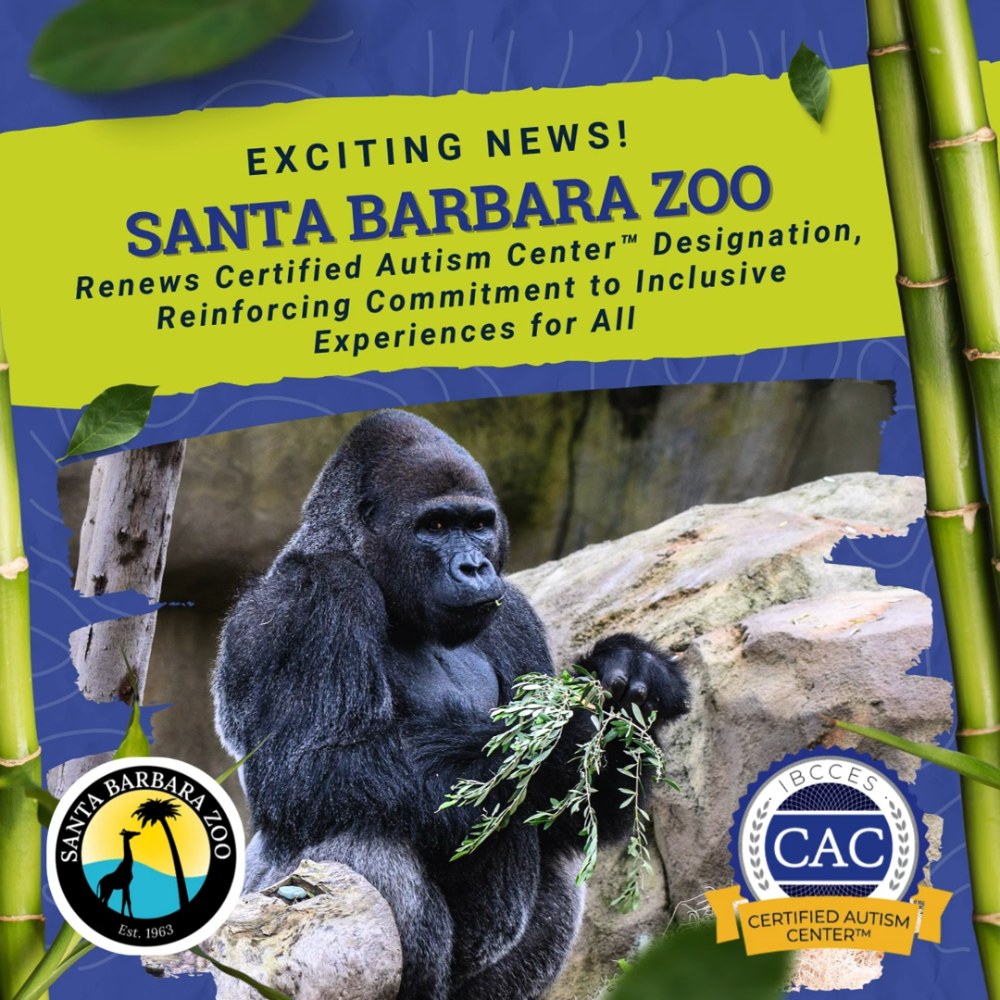
- The significance of being a Certified Autism Center™ at the Santa Barbara Zoo.
- The training and resources provided to zoo staff for enhanced inclusion.
- Accessibility features, such as sensory backpacks and quiet spaces.
- The importance of community engagement and partnerships in promoting inclusion.
- The impact of inclusive design on visitor experience and wildlife conservation awareness.
The Santa Barbara Zoo has reinforced its commitment to inclusion by recertifying as a Certified Autism Center™ (CAC) through the International Board of Credentialing and Continuing Education Standards (IBCCES). This distinction first awarded in 2018, positions the zoo as a leader among West Coast zoos. Being recognized as a CAC signifies a dedication to creating environments where individuals with autism and sensory needs can thrive.
Achieving this certification is not merely about receiving a badge. It reflects a rigorous process that involves extensive staff training and implementation of various resources aimed at making the zoo an accessible space for everyone. The CAC designation ensures that staff members are trained to understand and respond to the specific needs of visitors with autism, enhancing the experience for all guests. This proactive approach underlines a broader commitment to diversity, equity, and inclusion within the community.
The ongoing training for zoo staff includes understanding sensory sensitivities and learning how to create a welcoming atmosphere for individuals with autism. Training emphasizes communication strategies that facilitate interactions and foster comfort. This training creates a foundation where employees feel empowered to assist visitors in meaningful ways. Staff members become more than just guides; they evolve into facilitators of positive experiences that promote engagement with wildlife.
To support this goal, the Santa Barbara Zoo has implemented several resources that enhance the visitor’s experience. Sensory backpacks are one such offering. Packed with items designed to help individuals with sensory processing issues, these backpacks include noise-canceling headphones, fidget tools, and comforting items. This initiative allows visitors to navigate their surroundings more easily while offering strategies to cope with overwhelming stimuli.
Designated quiet spaces are another vital aspect of the zoo’s inclusive design. These areas allow visitors to take breaks and regroup when needed, creating a sanctuary for those who may become overwhelmed during their visit. The quiet spaces are equipped with calming features, such as soft seating and soothing decor, allowing guests to recharge before continuing their journey exploring the zoo.
Accessibility is also advanced through a pre-visit “Welcome” communication system aimed at preparing visitors for their experience. This system provides detailed information about what guests can expect, allowing individuals to plan their visits effectively. By providing online resources in various formats, the zoo aims to alleviate any concerns visitors may have regarding accessibility and inclusion. This commitment to transparency fosters an environment of reassurance, ensuring that everyone feels welcomed and included.
Community engagement plays a crucial role. Partnerships with local organizations and autism advocacy groups facilitate outreach and educational opportunities. These collaborations allow the zoo to stay connected to the community’s needs and preferences, reinforcing the institution’s commitment to making the zoo a more inclusive space. Engaging with the community ensures that visitors from diverse backgrounds feel represented and valued.
The zoo’s commitment to inclusion extends beyond visitors with autism. It embraces individuals with other sensory needs, ensuring that everyone has the opportunity to enjoy their surroundings. This inclusive approach aligns with broader public initiatives and aims to foster understanding and acceptance among all individuals, regardless of ability.
Moreover, inclusive design does not solely benefit guests. It positively influences wildlife conservation efforts. When individuals with sensory needs can comfortably engage with wildlife, their connection to nature deepens. Understanding animal behaviors and habitats ignites passion for conservation. This engagement plays a significant role in shaping the next generation of environmental stewards.
Visitors who experience the zoo’s inclusive features often report heightened awareness of conservation issues. Knowing that meaningful experiences are available for individuals with sensory needs fosters an atmosphere of respect and empathy. This collective understanding is essential for the conservation movement, as it encourages visitors to be advocates for wildlife and the environment.
Furthermore, the Santa Barbara Zoo continuously seeks to improve its offerings. By listening to feedback from guests, staff, and community members, the zoo can refine its approach to inclusion and accessibility. This creates a living framework where inclusion is not static but evolves to better serve those who visit. The zoo’s leadership acknowledges that there are always areas for growth and development, aspiring to stay at the forefront of best practices in inclusion.
By continually enhancing its offerings for guests with autism and sensory needs, the zoo demonstrates its role as a community leader in inclusion. The zoo invites visitors of all abilities to explore and connect with nature, enriching both the individual experience and community wellbeing. This ethos reinforces the notion that every person’s experience matters, and collective commitment to inclusion is vital for societal growth.
Inclusiveness has become a foundational aspect of the zoo’s identity. It stands as a testament to the belief that every individual, regardless of ability, deserves the chance to learn about and engage with wildlife. The Santa Barbara Zoo has established a model for other institutions to follow, fostering an environment where families can create lasting memories together.
As organizations strive to replicate such models, it becomes increasingly important to acknowledge the significance of their accomplishments. By emphasizing community, collaboration, and continuous improvement, the Santa Barbara Zoo demonstrates that genuine commitment makes a difference. Guests leave with not just memories but a greater appreciation for conservation.
Creativity can also play a substantial role in promoting inclusion. The utilization of innovative approaches to guest experience, such as interactive exhibits and sensory art installations, can further engage visitors while addressing sensory needs. A commitment to ongoing research shows the zoo’s desire to remain ahead of potential challenges, ensuring enhanced experiences for all.
This dedication to inclusion aligns with broader societal movements advocating for disability rights and representation. The zoo serves as a catalyst for change, inspiring other institutions to examine how they can become more inclusive. This approach also encourages families with special needs to participate in outdoor and educational activities that may have previously felt daunting.
While the process of inclusion can initially seem overwhelming, organizations willing to embrace these changes set the groundwork for meaningful impacts. The journey towards greater accessibility requires commitment, resources, and a willingness to listen to the community. The Santa Barbara Zoo stands as an example of how strategic actions can bring about positive results, reflecting the power of inclusion in creating impactful experiences for visitors.
As guests walk through the zoo’s gates, the anticipation of exploring the wonders of the animal kingdom becomes enriched by knowing they are part of an inclusive community. The diverse experiences available not only promote education about wildlife but also spur empathy and understanding of various abilities. This holistic viewpoint encapsulates the spirit of conservation and the need for a shared responsibility toward protecting our planet.
In an age where environmental challenges persist, fostering inclusion takes on new meaning. Awareness of our collective role in conservation elevates the quest for sustainable practices. The Santa Barbara Zoo recognizes that each individual has the power to contribute to a larger movement, making it essential to embrace diversity and ensure that all voices are heard.
Ultimately, the Santa Barbara Zoo’s commitment to inclusion stands as a shining example of how organizations can create meaningful experiences for everyone. The continuous journey to improve and innovate signifies that celebrating diversity is not just a goal but a core value of the institution. This creates a foundation for lasting change, beneficial for the community, wildlife, and the broader conversation on accessibility and inclusion. Visitors leave not only with smiles but with the knowledge that they participated in something greater—an experience that values every voice and champions interconnectedness.
*****
Source Description
🦁🌿 @santabarbarazoo Strengthens Its Commitment to Inclusion! 🦒🌿
The Zoo has officially recertified as a Certified Autism Center™ (CAC) through IBCCES, reaffirming its dedication to accessibility and meaningful experiences for guests of all abilities. 🐾
First designated in 2018 as the first West Coast zoo to earn this distinction, it continues to lead in creating experiences that support individuals with autism and sensory needs. 🌱
This renewal reflects ongoing staff training, expanded guest resources, and a continued focus on inclusive design. Guests can take advantage of sensory backpacks, designated quiet spaces, a pre-visit “Welcome” communication system, and enhanced accessibility resources online. 🐘🍃
🔗 Discover more about their inclusive and accessibility programs and initiatives by visiting the link in our bio.
