
- The importance of regular veterinary health checks for Atlantic rays
- Detailed examinations and procedures performed during the check-up
- The relationship between health assessments and conservation
- Insights into the health indicators for rays
- The role of public awareness in wildlife health and conservation
Atlantic rays, a significant group of elasmobranchs, recently underwent their routine health assessments at our vet facility, highlighting the critical nature of regular veterinary care for these species. Ensuring their wellbeing is not solely important for individual animals but also for broader conservation efforts. These health examinations are imperative for monitoring their overall condition and health dynamics in a controlled environment.
Regular veterinary health checks for Atlantic rays serve several functions. First, they contribute to identifying any potential health concerns early, allowing for swift interventions. Second, they provide vital data on population health, which can be used for scientific research and conservation strategies. Lastly, periodic check-ups create opportunities for public engagement regarding wildlife health, promoting awareness about the ecological roles of these creatures.
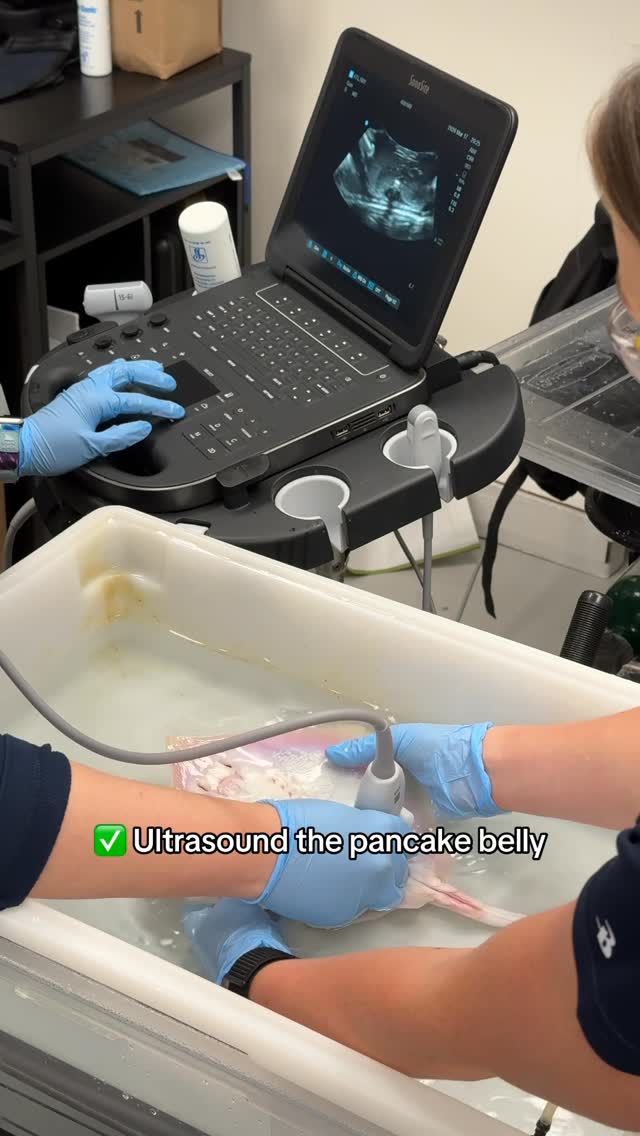
During their recent health check, Atlantic rays underwent multiple examinations and procedures. The more involved processes included physical checks, radiographs, blood pulls, and barb maintenance. Each procedure contributes specific insights into the animals’ health status.
Physical examinations typically start with an assessment of the animal’s external condition. Size, skin quality, and general movement are closely observed. These factors help veterinarians determine nutrition levels and health conditions, which are critical in establishing a baseline for individual animals. Radiographs, or X-rays, allow experts to visualize internal organ structures, skeletal integrity, and any potential abnormalities that might be present. This imaging technology is crucial for sharks and rays that often experience injuries from environmental factors or interactions with fishing gear.
Blood tests are another key component of the veterinary exam, providing comprehensive information on organ function, immune responses, and potential infections or diseases. Blood pulls involve collecting samples carefully to minimize stress on the rays, ensuring they remain stable and healthy throughout the process. Barb maintenance focuses on a unique feature of rays. Their barbs, used defensively, can become damaged or infected. Regular monitoring and maintenance of this feature are therefore necessary for their overall wellness.
Understanding the health status of Atlantic rays plays a significant role in conservation. Each examination yields valuable information that can contribute to the larger context of marine ecosystem health. Data collected from these checks might inform conservation strategies, helping wildlife managers make educated decisions regarding habitat protections. The health of rays often reflects the state of their marine environments. If rays are declining in health, it can indicate potential issues within their ecosystems, such as habitat degradation or pollution.
Another critical aspect of these veterinary checks is their significance in recognizing health indicators specific to rays. Abnormalities in coloration, behavior changes, or lethargy can signal health problems that need immediate attention. Veterinary teams observe for these indicators during assessments, providing baseline data that can indicate shifts in health status. For example, a persistent change in feeding habits may indicate deeper issues, potentially related to environmental factors.
Public awareness plays an essential role in wildlife health and conservation. Engaging the community in understanding the health needs of Atlantic rays fosters greater appreciation and support for conservation projects. When the public is informed, they are more likely to advocate for policies that protect marine environments and species. It creates a ripple effect where knowledge translates into actions that support ecological health.
Education initiatives that highlight veterinary care can serve dual purposes: raising awareness of wildlife health challenges and encouraging individuals to participate in conservation activities. The more the public knows about the maintenance of these creatures and their ecosystems, the better equipped they are to contribute to their protection.
Conservation efforts are often supported through collaborative partnerships. When zoos and aquariums work alongside marine biologists and conservationists, they create powerful networks that can tackle complex environmental challenges. Regular health checks of Atlantic rays and other marine species provide essential data to guide these collaborative efforts.
Communicating the findings from health examinations, like the recent check-up of Atlantic rays, helps drive the message home about the importance of maintaining healthy wildlife populations. Transparency about veterinary practices can foster trust and encourage public involvement in animal welfare. Education programs can lead to increased interest in marine biology and conservation careers, cultivating the next generation of wildlife advocates.
Engagement in wildlife health extends beyond local communities; it is a global concern. As issues like climate change, habitat loss, and pollution intensify, understanding and documenting animal health becomes ever more crucial. The data obtained from Atlantic rays can inform strategies to address these pressing challenges on a wider scale. Health indicators from marine species can offer insights into larger environmental trends, allowing scientists and policymakers to respond adaptively.
As the veterinary team continues to monitor Atlantic rays, they remain vigilant concerning the broader implications of their health findings. These health checks are part of a continuing effort to contribute positively to biodiversity conservation. By prioritizing animal health, directly establishing connections to environmental stewardship becomes possible.
Emerging technologies in veterinary care offer opportunities for further improvements in animal health assessments. Innovations in telemetry and monitoring systems allow for real-time tracking of animal wellbeing. Such developments can enhance the scope of health checks, enabling more effective interventions and rehabilitation when challenges arise.
With the ongoing research and practice focused on Atlantic rays, the ultimate goal remains clear: to safeguard marine ecosystems and the myriad species that inhabit them. The concerted efforts of veterinarians, conservationists, and the public yield a framework to protect not only rays but also their supporting habitats.
Awareness and education about the health of species like the Atlantic ray can inspire action. Understanding the intricate relationships between animals and their ecosystems fosters a commitment to conservation. As communities engage with local wildlife and support research initiatives, they contribute to a healthier planet.
Through regular health checks, including the recent update of “Pancake check: Flawless,” we have a clearer understanding of the status of Atlantic rays. It exemplifies the dedication required to promote wildlife health and, by extension, ecological well-being in our marine environments. In light of the data collected and the outreach achieved, the commitment to uphold the welfare of Atlantic rays—and the ecosystems they represent—remains of the utmost importance.
*****
Source Description
Pancake check update: Flawless 😎
Our Atlantic rays paid a routine visit to our vet staff recently for their annual exams. Between physcial checks, radiographs, blood pulls, barb maintenance and more, they came out RAYdient!
