
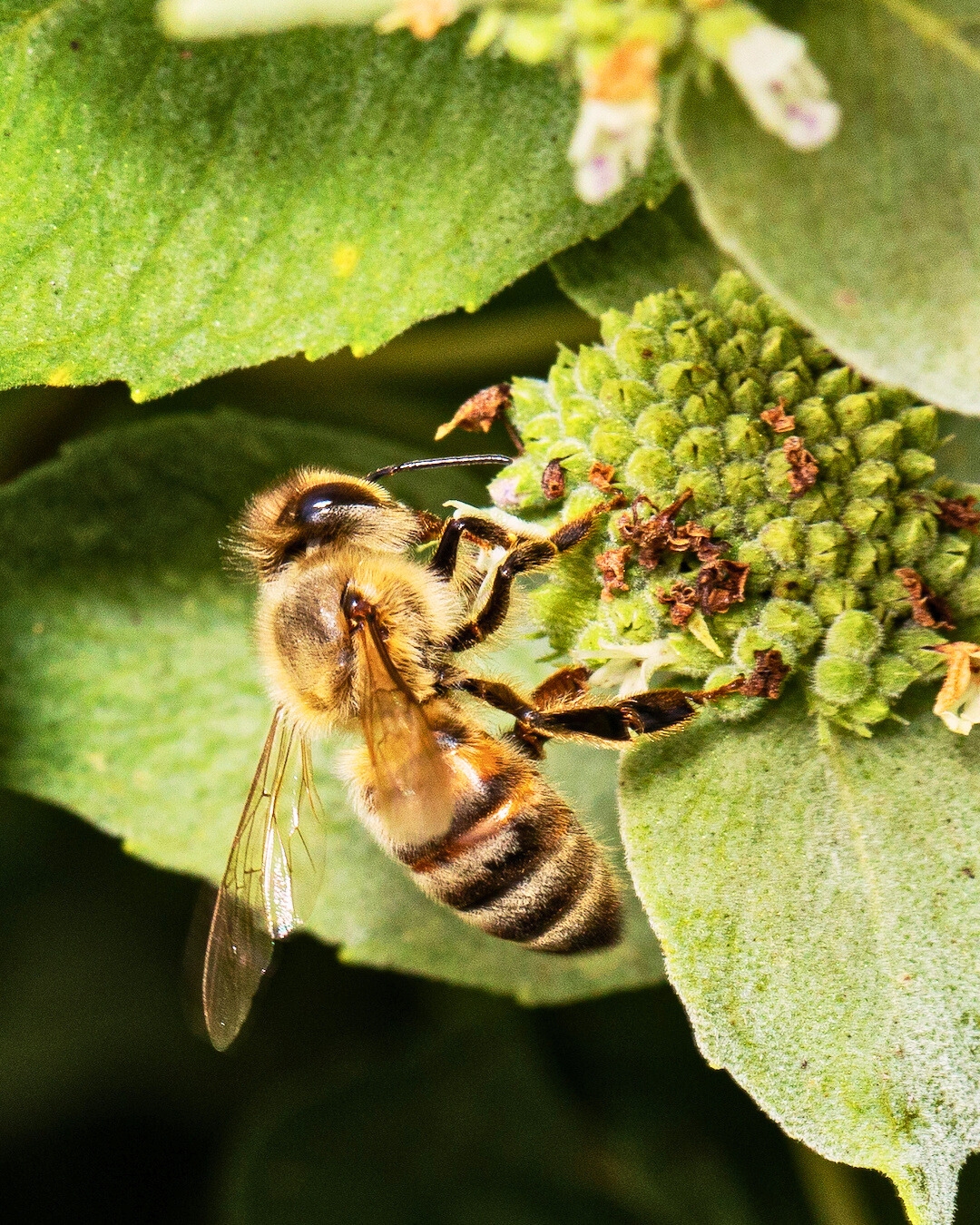
- The significance of pollinators in our ecosystems
- Overview of the Parks for Pollinators Bioblitz initiative
- Step-by-step guide on how to participate in the Bioblitz
- Benefits of citizen science in monitoring biodiversity
- The role of technology in enhancing citizen science efforts
Pollinators play a crucial role in maintaining the health of ecosystems. They are necessary for the reproduction of many flowering plants, which in turn, serve as food sources for a wide range of animals, including humans. According to the U.S. Department of Agriculture, one out of every three bites of food we consume relies on pollination. The continued survival of pollinators is crucial for biodiversity and food security. Unfortunately, many pollinator species are facing significant threats from habitat loss, pesticide use, and climate change. Engaging the public through initiatives such as the Parks for Pollinators Bioblitz serves to raise awareness and gather valuable data on pollinator species in local habitats.
The Parks for Pollinators Bioblitz is an exciting month-long event that invites citizens to play a role in scientific discovery and environmental conservation. This initiative is designed to log as many pollinator species as possible, linking local parks and the Brandywine Zoo as focal points for observation. By providing a structured opportunity to contribute to real scientific research, the Bioblitz encourages education about local ecosystems and the vital role of pollinators. This year, the event kicks off on September 1, giving ample time for community involvement and contributions.
To participate in the Parks for Pollinators Bioblitz, individuals need to start by downloading the iNaturalist app. This platform allows users to record and share observations of various species. The app connects enthusiasts and researchers alike, making it easier to contribute to scientific knowledge about wildlife. Once downloaded, participants should join the specific project titled “Parks for Pollinators 2025: Brandywine Zoo & Delaware State Parks.”
After setting up the app, explorers can head out to any of the designated Delaware State Parks or the Brandywine Zoo. It is important to note that only observations from these locations will be counted in the Bioblitz data. Participants can either focus on spotting pollinator species or identify pollinator-supporting plants, such as flowering plants that attract these crucial insects. Capturing a photo of the observed species is essential for verifying the data submitted through the app. Photographic evidence not only enhances the credibility of the observations but also enriches the overall database of the project.
Capturing as many pollinators as possible elevates the fun while simultaneously contributing to valuable data collection. Participants can see their progress reflected on a leaderboard, fostering a sense of friendly competition among nature lovers. This interactive component encourages individuals to tune into their surrounding ecosystems more actively, helping to foster a deeper appreciation for local wildlife.
Citizen science plays an increasingly vital role in managing biodiversity. Public participation amplifies researchers’ capability to habitat monitoring, allowing scientists to compile large amounts of data from various locations swiftly. The combined efforts of everyday individuals can lead to significant insights about shifts in pollinator populations, which can serve to inform conservation strategies. Through data mapping, scientists can identify specific trends and areas in need of habitat protection or restoration. Citizen science initiatives like the Parks for Pollinators Bioblitz help democratize science, enabling people of all backgrounds to contribute to ecological studies.
In the age of technology, developers have created tools that facilitate citizen science participation. The iNaturalist app exemplifies this, allowing users to easily photograph and log their observations. The app’s design incorporates features like species identification assistance, which enables budding naturalists to learn on the spot. Machine learning algorithms analyze submitted images, providing users with probable species names through immediate feedback. This technological support enhances learning opportunities and encourages repeated participation in future projects.
The Parks for Pollinators Bioblitz also serves a dual purpose by promoting citizen science and raising awareness about the importance of pollinators. In addition to documenting biodiversity, this initiative encourages conservation education. It informs participants about local ecosystems, demonstrating the relationships between plants, animals, and seasonal changes. Understanding these connections can motivate communities to take action, whether through personal gardening efforts to plant pollinator-friendly species or advocating for policies that protect local habitats.
Losing bee populations, butterflies, and other pollinators has dire ecological consequences. For example, the decline in bee populations results in reduced crop yields and a decrease in the variety of fruits and vegetables available in local markets. Initiatives like the Parks for Pollinators Bioblitz combat this issue by fostering a community engaged in monitoring and protecting these species. Collective awareness around pollinator decline can drive local policy changes, funding for conservation projects, and habitat restoration efforts.
Much has been documented about the threats pollinators face. Climate change, pesticide usage, and habitat degradation have all contributed to the decline of these essential species. By participating in the Bioblitz, citizen scientists can help tackle these challenges by contributing to real data collection, which can guide conservation actions. The information gathered can support scientists in advocating for specific measures to protect pollinators, from establishing safe environments to recommending organic farming practices that limit pesticide exposure.
The event takes place in one of the most biodiverse regions in the country, making it an ideal setting for those wanting to connect with nature. Delaware’s state parks offer various habitats, ranging from meadows and forests to wetlands, which serve as essential areas for pollinators. Each ecosystem supports different species, allowing participants to discover not just common pollinators like honeybees, but also lesser-known species that might be native to the area. Learning to distinguish between these species enhances one’s understanding of the specific roles each plays in the intricate web of life.
By monitoring pollinator populations, the Parks for Pollinators Bioblitz aims to create a comprehensive snapshot of the local ecological landscape. This effort not only enhances wildlife conservation but also provides critical insights that contribute to broader environmental policies. With citizen involvement, this undertaking becomes a collaborative effort among towns, schools, and local organizations, ultimately fostering a culture of environmental stewardship that extends far beyond the boundaries of the parks.
Engagement at all levels is vital for successful environmental projects. Events like the Parks for Pollinators Bioblitz motivate families, individuals, and groups to explore nature together. Promoting outdoor activities helps instill a sense of appreciation for the natural world in the next generation. Moreover, learning opportunities abound as participants can take part in workshops, guided nature walks, and educational sessions designed to delve deeper into pollinator biology and conservation techniques.
The collective potential of citizen science extends well beyond the Parks for Pollinators Bioblitz. This initiative serves as a model for future efforts aimed at monitoring biodiversity across various ecosystems. It fosters collaboration among research institutions, municipalities, and the public, forming partnerships that can address pressing environmental challenges. The data collected not only supports knowledge but can also lead to innovative strategies for conservation and sustainability in urban and rural settings alike.
Whether an experienced naturalist or someone who feels out of touch with nature, everyone has a role to play in the fight for pollinator conservation. Through the simple act of observation and data collection, participants become advocates for the environments that support the intricate life within them. The Parks for Pollinators Bioblitz is a pathway forward, combining education, community involvement, and scientific research in a single initiative focused on preserving the valuable working relationships that exist within our ecosystems.
Starting September 1, individuals can join not just to log observations but to be part of a larger story that connects everyone to the pollinators that sustain our world. Through this initiative, participants have a unique opportunity to make genuine contributions to science, while strengthening their connections to nature and inspiring others to take part. The future of pollinators may depend on community-led efforts like this one. Your observations could play a crucial role in helping share knowledge and drive action for their conservation.
So grab your smartphone, download the iNaturalist app, and get ready to observe the busy world of pollinators!
*****
Source Description
It’s almost time to play iSpy in the name of SCIENCE! 🌿🔍 The Parks for Pollinators Bioblitz returns this year for another month long challenge to log as many pollinators species as possible! 🦇🏃 Your efforts help us and the @brandywinezoo track and identify species in our local eco-systems. Your citizen science efforts will contribute to scientific research about pollinators. Starting September 1, here’s how you can participate:
Download the iNaturalist App and join the “Parks for Pollinators 2025: Brandywine Zoo & Delaware State Parks” project.
📍 Head out to any Delaware State Park or the Brandywine Zoo. Only observations in these locations count!
Try to spot a pollinator species or pollinator-supporting plant. Then take a photo and upload it through the app 🐝📱
🔎 Spot as many pollinators as you can and climb the observation count leaderboard!
