
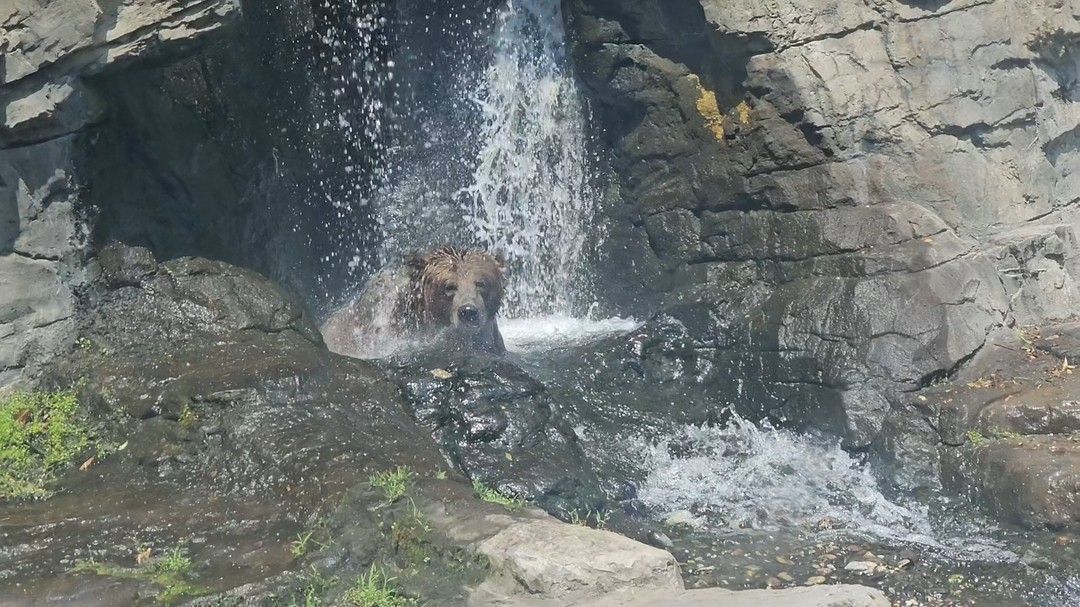
- Understanding the seasonal changes in animal behavior during summer
- The importance of habitat in shaping summer moods of wildlife
- How climate and temperature influence wildlife activities in summer
- The role of zoos in promoting understanding of summer behaviors
- Conservation strategies focused on summer ecosystems
As summer rolls in, a profound shift occurs in the behaviors and activities of wildlife. This seasonal change brings heightened energy, varied mating patterns, and increased activity levels in many species. Understanding the nuanced ways animals adapt to summer not only enriches our knowledge of zoology but also enhances efforts in wildlife conservation.
The changes in animal behavior during summer are deeply influenced by environmental factors. Many species exhibit altered feeding habits as food sources become abundant. In temperate regions, flowering plants and fruit-bearing trees engage a wide range of animals, from herbivores to pollinators. For instance, bees become particularly active as they collect nectar, which peaks during this season. This increased foraging activity supports entire ecosystems, with bees transferring pollen and facilitating plant reproduction.
In addition to changes in dietary habits, summer is often associated with heightened mating activities. Many animals have adapted their reproductive cycles to coincide with the availability of resources. Birds, for example, frequently time their nesting periods to ensure that food supplies align with the needs of their young. The vibrant songs often heard in summer are part of this mating ritual, as males advertise their presence and fitness to potential mates. Understanding these cycles offers insight into both animal behavior and the delicate balance of ecosystems.
Another crucial element that shapes wildlife behaviors during summer is habitat. Different species have developed preferences for specific environments that suit their needs during this season. For instance, some mammals retreat to shade during the hottest parts of the day, conserving energy while avoiding heat stress. Amphibians such as frogs or toads rely on moist environments to reproduce, and as ponds and wetlands warm, their calls increase in frequency. This behavior signals the critical link between summer mood and habitat necessities.
Climate plays an equally significant role in influencing the behaviors of wildlife during summer. Temperature fluctuations can dictate activity levels, with many species becoming more diurnal. For example, larger mammals like deer will often graze in cooler evening hours or at dawn to avoid the heat of the day. Meanwhile, reptiles, being ectothermic, are more active as temperatures rise, basking in sunlight to reach optimal body temperatures. The impact of climate on animal behavior highlights the interconnectedness of zoology and climatological studies, illustrating how variations can lead to different outcomes for species survival and adaptation.
Zoos play a vital role in bridging the gap between scientific understanding and public awareness. By showcasing animal behavior during summer months, zoos can educate visitors on not just the species they observe but their natural adaptations to fluctuating environments. For instance, a zoo may implement special summer exhibits that focus on the behaviors and habitats of native species. These educational efforts foster a connection among the public, encouraging a greater appreciation of wildlife and their ecosystems.
Moreover, many zoos are involved in conservation programs aimed at protecting habitats. By maintaining genetic diversity and breeding programs for endangered species, they contribute to efforts aimed at preserving biodiversity as habitats face increased human encroachment and climate change. The intentional conservation strategies employed in zoos often reflect the realities these species would face in the wild, thus preparing them for possible reintroduction.
Understanding the nuances of summer behaviors in wildlife also casts light on the various conservation strategies necessary for preserving ecosystems. Numerous species are vulnerable to shifts caused by climate change. Rapid temperature changes and habitat loss not only affect animal movement and reproduction but can also detrimentally impact food web structures. Conservation efforts must focus on creating resilient ecosystems that can withstand these stressors.
Engaging communities in conservation initiatives is essential during summer. Activities such as tree planting and habitat restoration provide both educational opportunities and tangible benefits to ecosystems. Involving local communities in these projects fosters a sense of stewardship and encourages public involvement in wildlife protection. Furthermore, informed volunteers can help monitor wildlife and report any emerging threats to species or habitats.
A notable example of community engagement can be observed through summer educational programs hosted by many zoos. These programs are designed to connect visitors, particularly youth, with nature while incorporating interactive learning about animal behavior and environmental responsibility. By observing animals in a controlled setting, participants can gain firsthand experiences that deepen their understanding of summer ecosystems.
To ensure effective conservation strategies, ongoing research is critical. Seasonal studies on wildlife can provide valuable data to inform management practices. These studies often aim to identify correlation patterns between changes in habitat, climate effects, and animal behavior, ultimately shaping future conservation policies. Continuous research allows organizations to adapt and target conservation efforts more effectively in response to emerging environmental challenges.
The link between summer mood and wildlife highlights the importance of interdisciplinary approaches in zoology, ecology, and conservation. Understanding summer behaviors in animals provides insights into their survival strategies and raises awareness of the environmental pressures they face. Engaging the public in learning about these complex interactions can lead to stronger conservation initiatives and a wider appreciation for biodiversity, thus fostering a greater commitment to environmental stewardship.
By prioritizing education and community involvement, we can empower individuals to make informed decisions that benefit wildlife and their habitats. In an age where climate change poses a growing threat, the need for robust conservation strategies becomes ever more crucial. As summer unfolds each year, it serves as a powerful reminder of the intricate connections that exist between wildlife, their habitats, and the ecosystems that sustain them.
Recognizing the rhythms of summer behavior provides key insights into the overarching narrative of wildlife conservation. Only through sustained efforts can we hope to create a future where both animals and their environments thrive, even as they face the challenges of a rapidly changing climate. Understanding and supporting these adaptive behaviors in summer not only enriches our knowledge but also sharpens our resolve to protect the intricate web of life on our planet.
*****
Source Description
Summer mood.
