
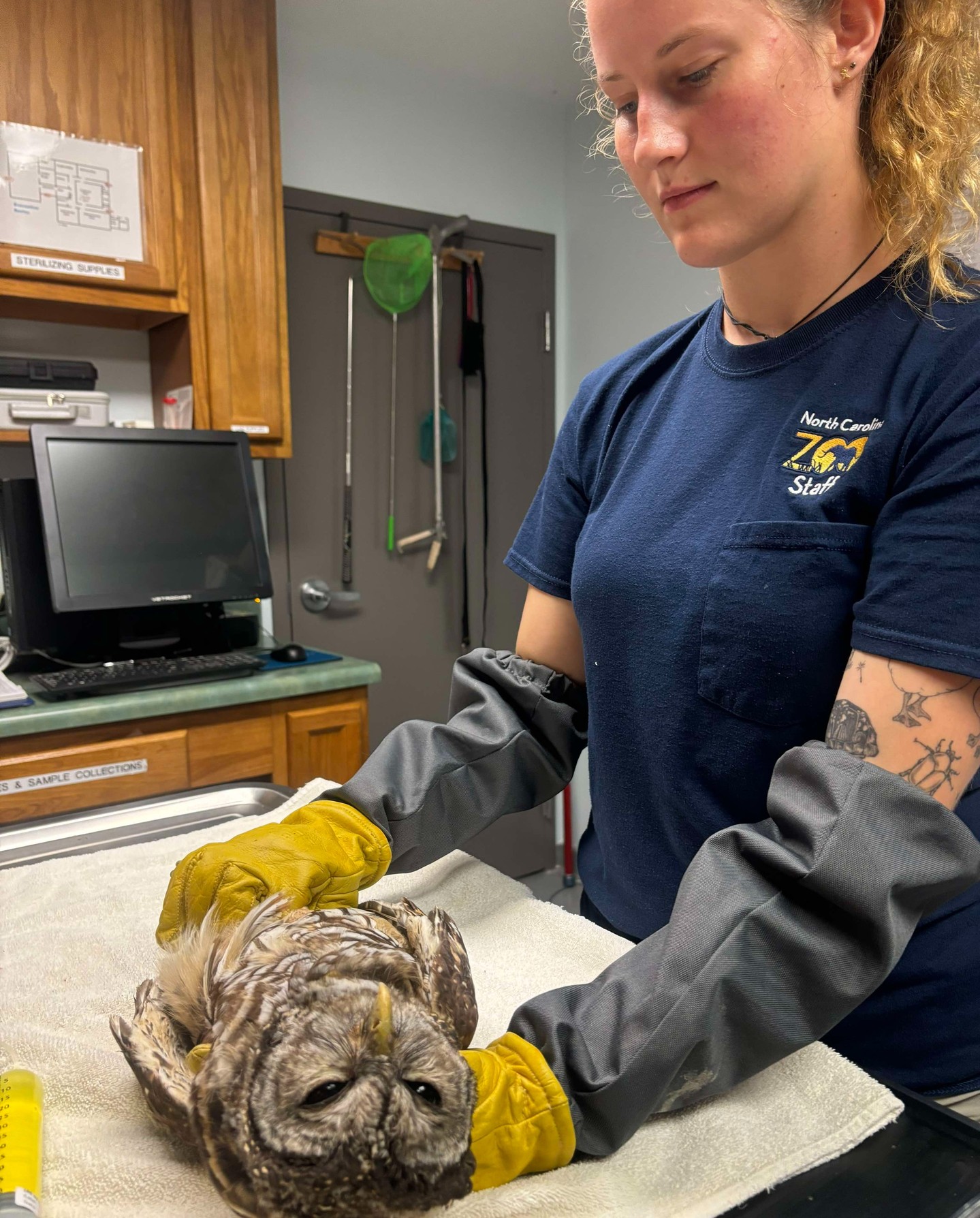
- Zookeepers and wildlife rehabbers share similar emotional burdens and mental loads.
- The work of wildlife rehabbers involves unique challenges related to animal care and rehabilitation.
- Emotional attachments can complicate the decision-making process for rehabilitators.
- The importance of wildlife rehabilitation in conservation efforts.
- The physical and emotional toll of wildlife rehabilitation on caregivers.
Wildlife rehabbers play a crucial role in animal conservation, often working in settings like the Valerie H. Schindler Wildlife Rehabilitation Center at the North Carolina Zoo. These dedicated professionals care for sick, injured, and orphaned wildlife, offering a lifeline to creatures who have often suffered significant trauma. The emotional burden carried by wildlife rehabbers mirrors that of zookeepers, as both roles share weighty responsibilities and require deep compassion.
Animals that arrive at rehabilitation centers typically exhibit signs of distress. They are often in critical condition, having suffered injuries or illnesses that their survival instincts have helped mask in the wild. This makes the work of wildlife rehabbers no small feat. To understand the state of these animals, one must recognize their natural instincts. Many wild species excel at hiding pain; it’s a method of self-preservation. By the time a wild animal requires human intervention, it is often suffering greatly and may not comprehend that humans are trying to help.
Wildlife rehabbers must endure a rollercoaster of emotions daily. They encounter an array of patients, from orphaned nestlings to larger mammals that have been hit by vehicles. Each case comes with its own set of complications, adding layers to their responsibilities. There are times when rehabbers must communicate with finders of these animals, many of whom are distressed and anxious. Addressing the concerns of these individuals while focusing on the task at hand adds another layer of complexity to the job.
The emotional investment in the animals they care for can lead to difficult situations. Rehabilitation centers operate under the principle that every animal is deserving of compassion and the potential to return to its natural habitat. However, this also means that rehabbers face the painful reality of euthanasia. When an animal cannot be saved due to severe injuries or illness, the decision to humanely euthanize it can weigh heavily. Such moments are not made lightly; they stem from a deep sense of responsibility and care for the animal’s well-being.
Forming emotional attachments is almost unavoidable for wildlife rehabbers. Many of them raise young animals from infancy, nursing them back to health. Even though these animals do not instinctively bond with their caregivers, rehabbers still find themselves emotionally attached to them. This emotional connection complicates the process of release. A successful rehabilitation means releasing the animal back into the wild, where they must fend for themselves. Yet the reality of having to part ways can be heart-wrenching.
Beyond the emotional challenges, the physical demands of wildlife rehabilitation cannot be overlooked. Caring for a variety of animals means that wildlife rehabbers must engage in physically taxing tasks, from the constant cleaning and feeding to emergency interventions. The work often requires long hours, especially during busy seasons when animal intakes may surge due to specific environmental conditions. Stray cats in the spring, for example, can lead to a significant influx of orphaned kittens. Each season presents different challenges that require adaptive strategies and unwavering dedication.
Wildlife rehabilitation is essential for broader conservation efforts. The work conducted by rehab centers contributes significantly to maintaining ecological balance. Many animals, once rehabilitated, contribute to their ecosystems, helping to sustain biodiversity. For instance, raptors and other birds of prey play vital roles in controlling rodent populations. By bringing these animals back to health and returning them to the wild, rehabbers are actively participating in ecosystem health.
The cost of this important work is often borne silently by wildlife rehabbers. Their dedication is evident in every aspect of their care, but the emotional and physical toll it takes on them can lead to burnout or emotional distress. It is a lesser-known cost of this impactful work. Support systems, peer discussions, and mental health resources are critical for these professionals. Ensuring that wildlife rehabbers have access to support services can help mitigate some of the stressors they face.
Moreover, community education plays an integral role in wildlife rehabilitation. By engaging the public and promoting awareness, wildlife rehabbers foster a better understanding of the challenges faced by injured and orphaned wildlife. Educational outreach also empowers individuals to take respectful actions if they encounter wild animals needing assistance. Teaching communities how to safely and responsibly interact with wildlife can ultimately reduce the number of animals that require rehabilitation.
Wildlife rehabilitation is not a standalone effort; it often operates in conjunction with local wildlife agencies, veterinarians, and conservation organizations. Collaborations between these entities can strengthen the resources available to rehabbers, offering a more holistic approach to animal care. Increased funding for wildlife rehabilitation efforts can lead to improved facilities, more staff training, and ultimately, better outcomes for the animals in care.
The emotional and mental load carried by wildlife rehabbers cannot be overstated. Their work is characterized by intense compassion and unparalleled dedication—in spite of the heartaches they endure. With every animal they treat, a complex interplay of emotions, responsibilities, and ethical dilemmas arise. The pressures of their role can weigh heavily, but the rewards—witnessing successful releases and the restoration of natural behaviors—fuel their commitment.
In facing the challenges inherent in wildlife rehabilitation, these professionals demonstrate incredible resilience. Their determination continues to push forward the essential vision of compassion for all living beings. Training, education, and community engagement are vital components that help wildlife rehabbers carry the emotional burden they face.
Wildlife rehabbers honor the life cycles of animals while demonstrating the importance of coexistence with nature. Each animal saved reinforces the belief that every life matters in the intricate web of ecosystems. Despite the emotional toll, wildlife rehabbers persist, embodying a dedication to ensuring wildlife conservation thrives. As they care for and rehabilitate native wildlife, they stand as a poignant reminder that each animal deserves a chance at life, as well as the tireless compassion of those committed to their care.
*****
Source Description
Zookeepers aren’t the only ones who carry a heavy emotional burden and mental load — wildlife rehabbers do too. 🧠🐾
The North Carolina Zoo has a wildlife rehab center onsite, the Valerie H. Schindler Wildlife Rehabilitation Center. Our wildlife rehabilitation staff cares for sick, injured, and orphaned native wildlife from across North Carolina. Every day, they face stressed and wounded patients, many of whom arrive from heartbreaking circumstances. Knowing that you may be an animal’s last hope for survival is an overwhelming responsibility.🤕🩺
In the wild, animals are experts at hiding pain or illness, it’s a survival mechanism. So when one ends up in rehab, it’s often in critical condition and suffering from significant trauma. These animals don’t understand that we’re here to help them; a calm wild animal in care is often one that’s near death.😢🏥
Rehabbers are taught not to form attachments, knowing that every patient will leave their care… either through release back into the wild or release from suffering. Still, it’s almost impossible not to grow fond of the animals they raise from infancy or nurse back to health. Wild animals don’t bond with their caregivers, and that’s by design, it’s essential for their successful return to the wild. But that doesn’t make the emotional investment of the rehabbers any less real.💞
Every day presents new challenges. Rehabbers work with concerned and emotional finders, care for dozens of unique patients, and often face heart-wrenching decisions. Choosing humane euthanasia for animals that cannot be rehabilitated is one of the most difficult parts of the job, a decision made only out of compassion and responsibility.❤️🩹
Wildlife rehabilitation is deeply meaningful work. But it comes with a cost — physically, emotionally, and mentally. And those who do it carry that weight quietly, with unwavering dedication, and we sure are glad that they do.🌟
