
- The importance of pollinator plants in supporting ecosystems.
- The objectives and significance of the SAFE Monarch Habitat Grant.
- The contributions of the Evansville Zoological Society to wildlife conservation and local biodiversity.
- The role of community engagement in environmental stewardship.
- Future plans for the Evansville Zoological Society’s pollinator garden.
Pollinator plants serve as essential components in maintaining and enhancing ecosystems. These plants provide food and habitat for various pollinators, including bees, butterflies, and other insects, that play crucial roles in pollinating a significant portion of the food crops consumed worldwide. The presence of diverse flowering plants helps to create a healthy environment that supports not just pollinators but other species that rely on these organisms for survival. Ecologists emphasize that promoting pollinator health contributes to overall biodiversity, making it a significant consideration in conservation efforts.
The recent initiative by the Evansville Zoological Society to plant 700 pollinator plants exemplifies this commitment to ecological balance. This endeavor is made possible through the SAFE Monarch Habitat Grant, which aims to protect and restore habitats for the declining Monarch butterfly population. These two factors—the planting of pollinator plants and the SAFE Monarch Habitat Grant—are interconnected in their focus on enhancing the local ecosystem while also providing educational opportunities for the community.
The SAFE Monarch Habitat Grant, specifically aimed at conserving the Monarch butterfly, plays a critical role in this project. Monarch butterflies have been experiencing dramatic population declines over the past few decades, primarily due to habitat loss, pesticide use, and climate change. By receiving this grant, the Evansville Zoological Society could expand its existing Pollinator Path, providing a direct benefit to Monarchs and many other species that call this area home. The expanded garden will not only help sustain various pollinators but also serve as a model for similar conservation efforts across the region.
In a broader context, the efforts of the Evansville Zoological Society reflect a growing trend of wildlife conservation organizations becoming heavily involved in local biodiversity initiatives. The planting event was a community-minded effort, whereby board members, their families, and the Marketing and Development teams worked collaboratively to enhance the landscape of the Zoological Society. Such initiatives bridge the gap between wildlife conservation and public education. By engaging the community in hands-on activities, the Jurassic Society fosters a sense of responsibility and awareness about the ecosystems surrounding them.
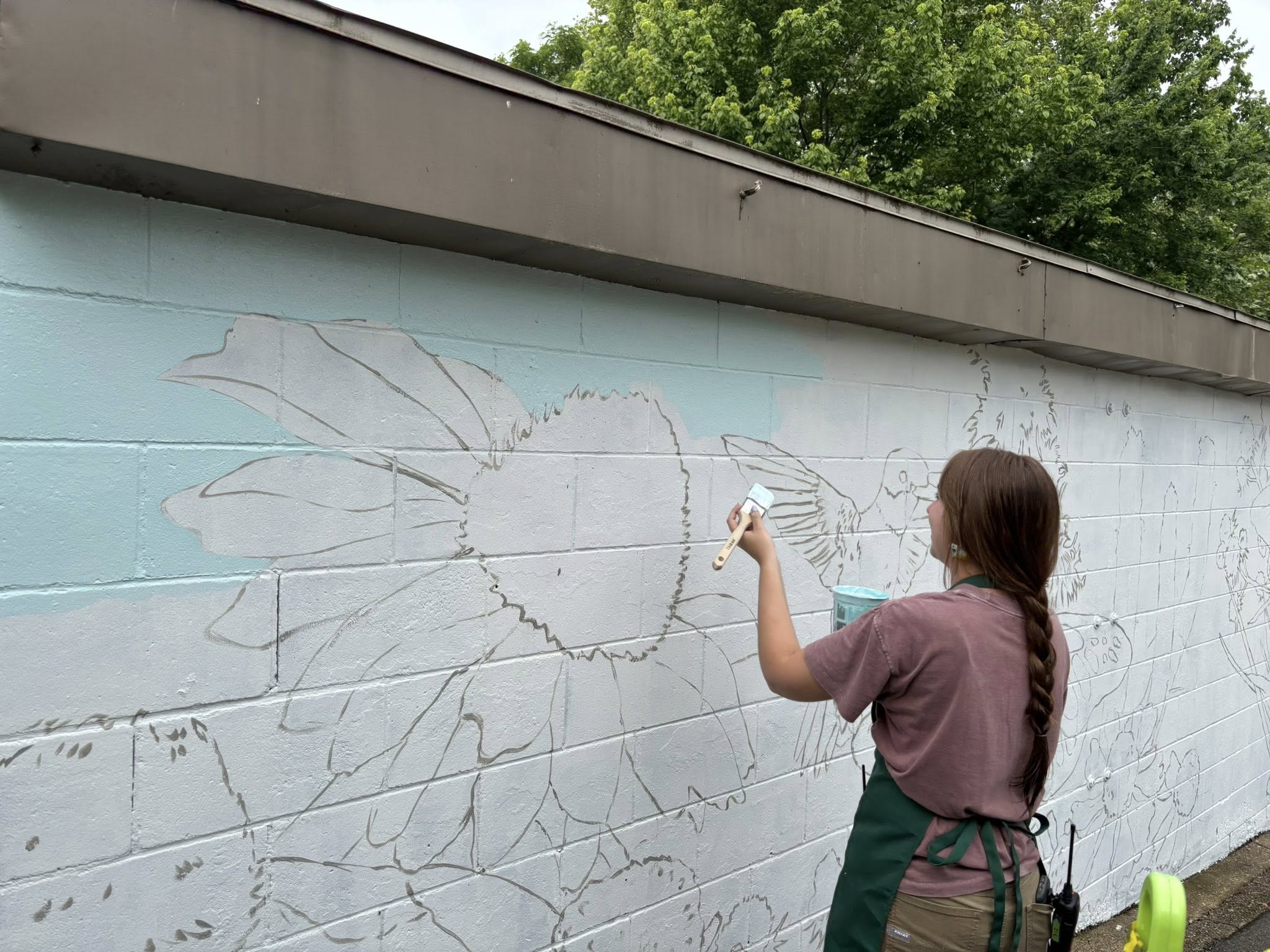
Community engagement is a cornerstone of successful conservation efforts. When local residents understand the vital role pollinators play in the ecological web, they are more likely to adopt sustainable practices in their own lives. The new pollinator-themed mural planned for the garden not only serves as an artistic expression but also aims to educate visitors about the species inhabiting this ecosystem. Artwork has a unique capacity to capture attention, making complex scientific concepts more relatable to the general public. The murals, coupled with the presence of the iconic Monarch wings, will engage visitors and encourage their appreciation of nature.
Expanding the Pollinator Path aligns with the Evansville Zoological Society’s broader mission to foster sustainable habitats. The garden will feature diverse plants that bloom at varying times throughout the growing season. This staggered blooming ensures a continuous food source for pollinators over months rather than a distracted influx of flowers. Species like milkweed, coneflowers, and bee balm will be included, known for their appeal to Monarch butterflies and other crucial pollinators. This approach reflects best practices in ecological gardening, where variety and sustainability enhance local habitats.
To ensure the long-term success of this initiative, ongoing maintenance and educational programming are necessary. Regular monitoring of the planted species will allow for adjustments based on growth and ecological conditions. Additionally, community education initiatives will contribute to public awareness regarding the care necessary for pollinator plants. Workshops about native plants and their role in supporting pollinators can inspire action beyond the garden, encouraging individuals to incorporate these plants into their spaces.
In sum, efforts like those of the Evansville Zoological Society highlight the importance of localized conservation practices. The integration of community engagement, artistic expression, and ecological education ensures a multifaceted approach to wildlife conservation. Through planting 700 pollinator plants, the Zoological Society is not merely improving a patch of land; it is fostering a thriving ecosystem that will serve as a model for future conservation work.
This engagement promotes an ethos of stewardship and responsibility towards the environment. It reflects a vision where communities and the natural world coexist harmoniously. As visitors come to learn about the plants and species represented in the new garden, they will hopefully take these lessons home. Pollinators are essential for food production; understanding this principle can catalyze broader change in community habits and policies.
Future plans for the Evansville Zoological Society include ongoing workshops that will educate about the importance of not just Monarch butterflies but all pollinators. Encouraging local gardeners to plant native, pollinator-friendly species will enhance habitats beyond the garden’s borders. This expanded focus could include partnerships with local schools, fostering educational programs that engage younger generations in environmental stewardship.
The ecological benefits of planting pollinator plants cannot be underestimated. The integration of robust educational frameworks can transform how communities perceive their relationship with local wildlife. Initiatives like the SAFE Monarch Habitat Grant offer pathways to address the challenges facing many species. Each action taken at the Evansville Zoological Society contributes to combating the decline of pollinators, enhancing not only the local ecosystem but serving as a pivotal educational resource for the broader community.
Engagement in ecologically beneficial projects like this serves as a reminder of the significance of local actions in global conservation efforts. The collaborative spirit displayed on planting day by the Evansville Zoological Society exemplifies what can be achieved when communities come together. As the garden flourishes, it stands as a testament to the importance of nurturing our environment and the diverse species that inhabit it.
Through planned initiatives and continued community education, the Evansville Zoological Society is building pathways toward a more sustainable future for local wildlife, community members, and ecosystems alike. The symbolism of the garden extends far beyond mere aesthetics; it cries out for attention on a pressing issue that affects us all. By investing in pollinator plants, we not only support these vital species but also foster an awareness that each person can make a difference in safeguarding our environment.
*****
Source Description
On Saturday, several members of the Evansville Zoological Society 501(c)(3) board, their families, and our Marketing and Development team came together to plant 700 pollinator plants — all while the rain held off!
Thanks to a SAFE Monarch Habitat Grant, we were able to expand our existing Pollinator Path. The updated garden now stretches across the hillside near Kley, incorporates our pipevine-covered fence, and is soon to feature a vibrant pollinator-themed mural, hand-drawn & painted by our talented Marketing Coordinator, where the Monarch wings once stood.
Don’t worry—those Monarch wings are staying! They’re being relocated into the garden, and the new mural will also serve as a fun photo op!
