
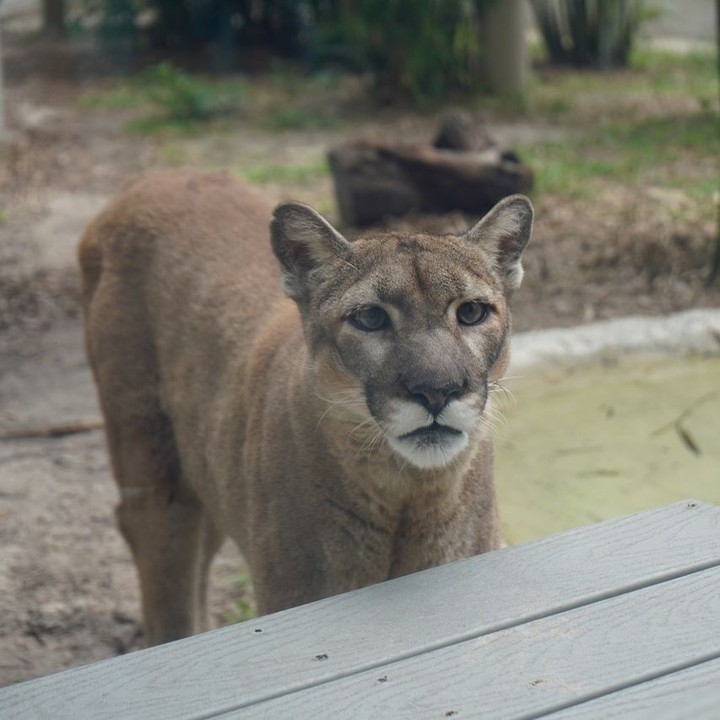
- The significance of Lucy, the oldest Florida Panther in captivity
- Understanding the biology and ecology of the Florida Panther
- The importance of wildlife conservation and the role of zoos
- Strategies for animal care and enrichment in zoological settings
- The future of Florida Panther conservation and the impact of preserving their habitat
The significance of Lucy, the oldest Florida Panther in captivity, cannot be overstated. At an impressive 18 years of age, she stands as a testament to the care and dedication provided by her keepers. Lucy was born into an environment where she could contribute to education and conservation efforts surrounding her species. As the eldest of her kind, she brings attention to the essential needs of Florida Panthers and highlights the vital role that zoos play in research and education. Visitors to her habitat often express joy and admiration, contributing to a greater appreciation for wildlife.
Understanding the biology and ecology of the Florida Panther is crucial for appreciating Lucy’s role in conservation efforts. Classified as a subspecies of the cougar, the Florida Panther (Puma concolor coryi) inhabits hardwood swamps and pine flatwoods in South Florida. Their typical weight ranges from 100 to 160 pounds for adult males and about 65 to 100 pounds for females. They possess elongated bodies and long tails, which provide balance as they navigate their habitats. This feline is an apex predator, with a diet primarily consisting of deer, wild boar, and smaller mammals.
Florida Panthers are known for their elusive nature. Their populations are currently limited due to habitat loss, vehicle collisions, and inbreeding depression. As of recent estimates, only around 120 to 230 individuals remain in the wild. The survival of this magnificent species requires not just habitat protection but also public awareness and education, facilitated by institutions like the zoo that houses Lucy.
The importance of wildlife conservation and the role of zoos become even more evident when considering the challenges faced by the Florida Panther. Zoos offer a controlled environment where educational programs can inform the public about the threats to these animals. They also provide critical support for field studies and research, shedding light on aspects of their behavior, ecology, and genetics. By leveraging the popularity of animals like Lucy, zoos can engage a wide audience in meaningful conversations about conservation.
Conservation programs often rely on collaborations with various stakeholders, including governmental organizations and NGOs. In recent years, efforts have concentrated on habitat restoration and safe passage corridors, allowing for genetic exchange between isolated populations. Lucy, by generating public interest, plays a pivotal role in rallying support for these initiatives, illustrating how one animal can impact the larger conservation scenario.
Strategies for animal care and enrichment in zoological settings are essential in ensuring the well-being of animals like Lucy. Zoos adopt an individualized approach, taking age, health, and natural behavior into account. Enrichment programs are designed to stimulate animals mentally and physically. For instance, Florida Panthers might engage with toys that mimic their natural prey, encouraging natural hunting behaviors. Keepers often rotate these enrichments to prevent boredom and simulate seasonal changes that would occur in the wild.
Diet is also crucial for the health of Florida Panthers. Nutritional management involves precise calculations tailored to each animal’s needs, factoring in age and activity levels. For Lucy, who is now 18 years old, dietary adjustments are made to support her aging body, incorporating easily digestible proteins and appropriate vitamins and minerals.
Furthermore, regular veterinary care is integral to the well-being of animals in zoos. This includes routine health check-ups, vaccinations, and dental care. For an elder like Lucy, specialized attention is imperative. Common health issues in older Panthers can include arthritis, dental issues, and kidney problems. By monitoring her closely, veterinarians can manage potential ailments early, ensuring that she remains comfortable, active, and healthy.
The future of Florida Panther conservation, alongside preserving their habitat, requires collaborative efforts that extend beyond individual actions. Policymaking plays a significant role in safeguarding the territories that these animals require for survival. Habitat corridors are being established to facilitate movement between isolated populations, which increases genetic diversity and improves overall population resilience.
As humans continue to encroach on natural habitats, educating the public becomes more crucial. Awareness can drive funding for land preservation and create grassroots movements that advocate for ecosystems at risk. Lucy serves as an ambassador for her species, bridging the gap between humans and wildlife. Carrying her story far and wide encourages attention to the pressing issues surrounding Florida Panthers.
The zoo’s role in these conservation efforts goes beyond just housing animals. Educational programming that includes behind-the-scenes tours, informational signage, and virtual outreach strengthens public engagement with conservation challenges. When visitors learn more about Lucy and her fellow Panthers, they often gain a deeper appreciation for the biodiversity that makes our planet unique.
Moreover, engaging with the local community can spark interest in volunteer programs and citizen science initiatives. These efforts can include habitat clean-ups and monitoring efforts where community members observe and report wildlife activity. By involving the public in these initiatives, stakeholders can enhance awareness and support for larger conservation strategies.
Research driven by the zoo also contributes significantly to our understanding of the Florida Panthers. By providing opportunities for academic institutions to study their behavior and genetics, zoos can support broader conservation biology initiatives. This leads to the development of more effective management plans and the deployment of targeted conservation actions that are based on scientific data.
Lucy’s story will continue to be a catalyst for change as we advance our understanding of animal welfare and habitat conservation. The next generation of wildlife stewards can learn invaluable lessons from her life and legacy. The love and admiration she has received underscore the importance of wildlife in our society and the need to address the challenges they face.
In attending to the various challenges that Florida Panthers encounter, we can see the critical intersection between animal welfare, habitat conservation, and public engagement. Lucy exemplifies how an individual animal can inspire collective action and a commitment to preserving our natural world. By raising awareness and fostering a deep connection to wildlife, we can hope to change the narrative around conservation efforts and make strides in protecting endangered species.
Educational institutions, wildlife organizations, and zoos working together can offer a holistic conservation strategy that involves research, policy-making, and public education. Lucy’s life thus serves to highlight the multifaceted approach needed for effective wildlife conservation. Visitors are encouraged not just to admire her but to consider the broader implications of her existence and the responsibility we hold to protect her kind.
Ultimately, Lucy does not just represent another animal in captivity; she symbolizes hope for the Florida Panther and a call to action for conservation. Her story advocates for a future where both human and animal lives coexist sustainably, promoting biodiversity while ensuring the survival of an iconic species. Visitors who come to see her or send her well-wishes become part of the larger narrative surrounding wildlife conservation, making meaningful contributions that can lead to significant impacts. By understanding and embracing these responsibilities, society can uphold the needs of wildlife and encourage a greater appreciation for the natural world.
*****
Source Description
Improving your feed with a well-deserved dose of Lucy! 🫶
Lucy is the eldest of our Florida Panthers at an impressive 18 years old! 🎉 She celebrated her birthday earlier this month, but is still accepting well-wishes from all of her adoring fans.
Be sure to stop by and say “hi” to Lucy!
