
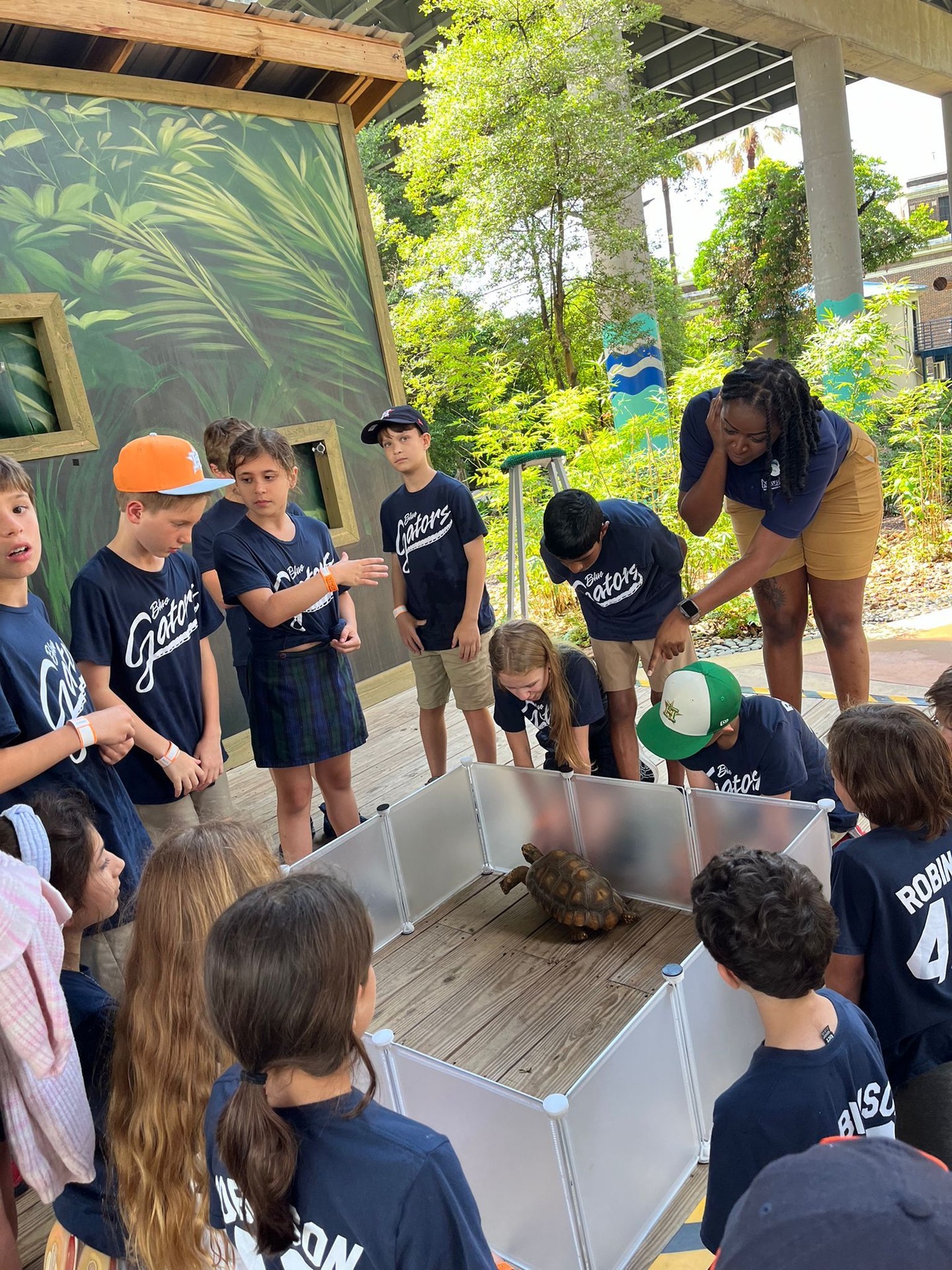
- Importance of early education in zoology and conservation
- Overview of the educational day programs offered
- Benefits of hands-on experiences in animal care
- Insights into the zoologist’s role and responsibilities
- How these programs foster a connection between children and wildlife
Introducing children to the wonders of zoology and wildlife conservation is essential for fostering a sense of stewardship towards the environment. Educational experiences that focus on animals not only provide children with knowledge but also inspire a lifelong passion for nature and science. By participating in programs like "Zoologist for a Day" and "Working on the Wild Side," young minds will gain insights into animal care and the responsibilities that go into preserving wildlife.
The educational day programs run during summer offer a fantastic opportunity for children aged 6 to 17 to explore the intricacies of animal care and conservation. On June 21 and July 19, younger participants, ages 6 to 12, can experience being a zoologist for a day. This program provides hands-on activities, ensuring that children engage in practical learning about animal biology, habitat needs, and conservation efforts. Older participants, aged 12 to 17, can join the "Working on the Wild Side" program on July 12, which delves into the responsibilities of working directly with wildlife in a more advanced capacity.
One of the key benefits of these educational day programs is the immersive, hands-on experience they offer. Children will participate in daily activities that reflect real-life scenarios encountered in the field of zoology. They may assist in feeding animals, learn about their diets, and contribute to creating habitats that mimic their natural surroundings. Engaging with animals in this way provides practical knowledge that books alone cannot offer, building a strong foundation for understanding wildlife biology and ecology.
Understanding the role of a zoologist is vital for participants. Zoologists study animal behaviors, physiology, and interactions within ecosystems. They play a significant role in research that informs conservation policies and contributes to our understanding of biodiversity. By exposing children to this discipline, we can nurture future scientists who might contribute to wildlife protection and research.
The Zoologist for a Day program is particularly captivating for younger participants, who often have a boundless curiosity about animals. They will learn about species diversity and the importance of various animals in our ecosystems. Age-appropriate activities include observing animals’ behaviors and documenting their findings, encouraging keen observational skills that are essential for budding scientists.
The "Working on the Wild Side" program elevates this education by introducing older participants to a more advanced understanding of animal care. Teens will explore veterinary practices, wildlife rehabilitation, and conservation strategies. Sessions may include first-hand experiences helping trained staff in daily operations, which helps them grasp the challenges and rewards of working in wildlife care.
Another invaluable aspect of these programs is the development of empathy towards animals. Children learn the importance of treating all living creatures with kindness and respect. They gain insight into the threats facing different species, including habitat loss, poaching, and climate change, which can be particularly impactful. By understanding these challenges, participants can become advocates for animal welfare and conservation efforts.
Educating children about wildlife also extends beyond the programs themselves. The knowledge and skills gained can be shared with family and friends, sparking broader conversations about environmental responsibility.
Moreover, these programs reinforce teamwork and communication skills. Many activities emphasize collaboration, whether that means working alongside other participants or interacting with zoo staff. Learning to communicate effectively is critical in any professional field, especially those related to conservation and scientific research.
It’s also worth noting that engaging in these educational programs can have a multitude of psychological benefits. Research has shown that spending time with animals can reduce stress and enhance well-being. Children participating in these programs will enjoy the joy and tranquility that often comes with being around animals, promoting positive emotional experiences.
As parents consider enrolling their child in these summer programs, the limited spots available highlight the popularity and value of these experiences. Early registration is essential to secure a place and ensure that children do not miss out on this chance to deepen their understanding of zoology and conservation.
In conclusion, immersive educational day programs like "Zoologist for a Day" and "Working on the Wild Side" offer children unforgettable experiences that extend beyond the classroom. By engaging in hands-on activities, understanding animal care, and developing a connection to wildlife, participants can inspire a passion for environmental stewardship that lasts a lifetime.
*****
Source Description
Give your child an unforgettable experience with our educational day programs! They’ll get an exclusive, behind-the-scenes look at how our land and sea animals are cared for, perfect for young animal enthusiasts!
🦜6/21: Zoologist for a Day (Ages 6–12)
🐅 7/12: Working on the Wild Side (Ages 12–17)
🦜7/19: Zoologist for a Day (Ages 6–12)
Spots are limited. Register your child today at the link in bio.
