
- Introduction to the new animal arrivals at the Akron Zoo
- Detailed profiles on each new species in the Legends of the Wild area
- Conservation status and significance of each species
- Overview of the Tom and Shelley Koutnik Primate Passage and its role
- Recent expansions including new animal species in the Landon & Cynthia Knight Pride of Africa habitat
The Akron Zoo is thrilled to announce an exciting addition of new animals, coinciding with the completion of renovations and updates in the Legends of the Wild area. This revitalized section of the zoo will make its public debut on May 16, featuring an array of new inhabitants that highlight both biodiversity and conservation efforts. From critically endangered salamanders to vibrant parrots, the new arrivals promise both educational and engaging experiences for visitors.
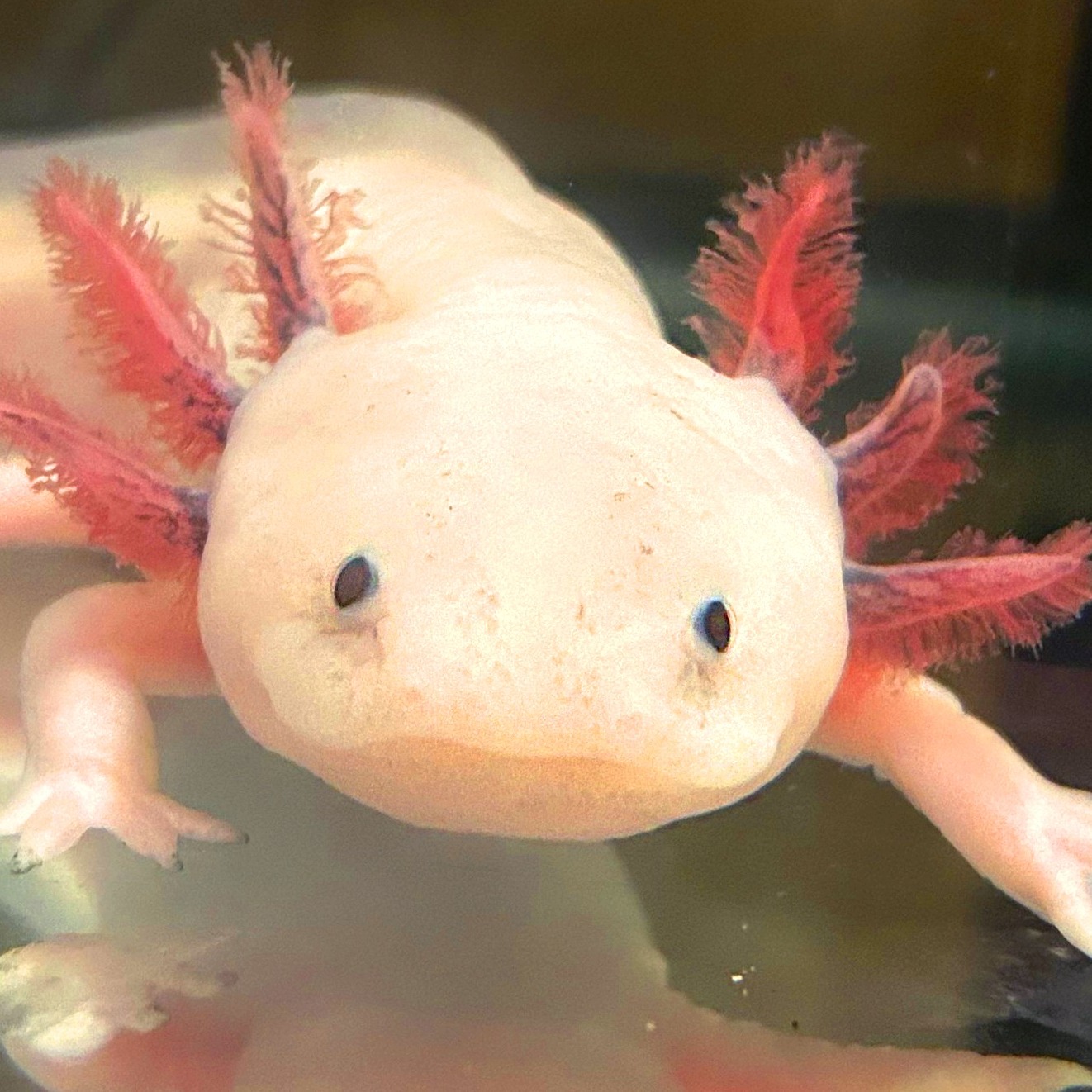
Among the new residents is the axolotl, a fascinating amphibian. Two axolotls, a male named Neo and a female named Xochi, will now call the Akron Zoo home. Native to the lake systems of Mexico, specifically Lake Xochimilco and Lake Chalco, the axolotl is an extraordinary species that retains its juvenile traits throughout its life—a phenomenon known as neoteny. This species is critically endangered due to habitat loss, pollution, and invasive species. Highlighting its ecological significance, the axolotl is also remarkable for its ability to regenerate lost limbs, making it a subject of scientific studies in regeneration and developmental biology.
Another exciting addition is the white-faced saki monkeys. These small primates, weighing only four to five pounds, come from the forests of northern South America. The Akron Zoo welcomes a family trio consisting of male Toumi, female Clementine, and their one-year-old daughter, Ripley. White-faced sakis are social animals that live in family groups, and they play a vital role in their ecosystem by helping to disperse seeds as they consume fruits. The conservation status of these monkeys is concerning, yet their playful behavior and intelligence make them a compelling attraction.
The cotton-top tamarin, distinguishable by its vibrant white crest, also graces the Akron Zoo. Two brothers, Chestnut and Clark, have joined the zoo’s family. This small monkey species, weighing about one pound, is native to the tropical forests of Colombia. Sadly, the cotton-top tamarin is classified as critically endangered, primarily due to habitat destruction and illegal pet trade. The role of cotton-top tamarins in forest ecology is significant. As they forage for insects and fruits, they help maintain insect populations and contribute to seed dispersal, promoting forest regeneration.
Bringing a burst of color to the zoo, the sun conures, Vega and Archimedes, will also make their debut. These vocal parrots are native to the rainforests of northern Brazil and surrounding regions. Unfortunately, sun conures are classified as endangered due to habitat loss and the illegal pet trade. Their striking plumage and playful nature captivate visitors, while their social structures provide insights into parrot communication and behavior. The contributions of such colorful birds to their ecosystems cannot be overstated; they play critical roles in seed dispersal and contribute to the overall health of their habitats.
The green aracari, a member of the toucan family, will add more avian diversity to the zoo’s collection. The arrivals of two female green aracaris mark another significant addition. Known for their vibrant plumage and long, serrated bills, these birds reside in the tropical forests of South America. Aracaris feed primarily on fruits and insects, helping to shape their environment by promoting plant diversity. The conservation of their habitats is crucial, as they reflect broader ecological challenges facing tropical ecosystems.
Golden lion tamarins, another notable addition to the Akron Zoo, bring charm with their lion-like mane of fur. The zoo’s new residents, male Mico and female Coco, are siblings that weigh around one and a half pounds. Native to the Brazilian rainforest, golden lion tamarins are listed as endangered due to habitat loss and fragmented environments. Their social structures are fascinating, as these primates live in family groups that cooperatively rear young. With their vibrant social dynamics, they serve as ambassadors for conservation efforts aimed at protecting their dwindling habitats.
All these new species will reside in the Tom and Shelley Koutnik Primate Passage, a revamped area previously home to lemurs. This dedicated space is designed to mimic the natural habitats of these primates while providing excellent viewing opportunities for guests. The emphasis here is not solely on showcasing animals but also on fostering conservation awareness and educating visitors about the challenges these species face in the wild.
In addition to the above species, other newcomers enrich the Legends of the Wild area. Mountain lion cubs, prehensile-tailed porcupines, green-crested basilisks, and chinchillas are now also part of the diverse ecosystem present in this updated section. The mountain lion cubs, for instance, represent a key species in North American wildlife, serving as apex predators that help control prey populations, thus contributing to ecological balance.
Another noteworthy expansion in the zoo’s offerings includes the introduction of yellow-backed duikers. These small antelopes now inhabit the Landon & Cynthia Knight Pride of Africa mixed species habitat. Native to the forests and woodlands of central and western Africa, yellow-backed duikers are remarkable for their adaptability. Their presence not only adds to the zoo’s diversity but also highlights the importance of preserving these unique antelope species in their natural habitats. The interactions and cohabitation with other species within the habitat provide insights into the dynamics of mixed ecosystems.
The Akron Zoo’s commitment to wildlife conservation extends beyond showcasing these fascinating animals. Each species offers invaluable lessons in ecology, behavior, and the urgent need for conservation efforts. By educating the public about the challenges many of these species face, the zoo plays a vital role in fostering a deeper understanding of biodiversity and the interconnectedness of life.
Each animal introduction serves as a call to action, encouraging visitors to appreciate and engage in conservation initiatives. The impact of habitat destruction and climate changes places these species at risk, and the zoo seeks to inspire action through education. By learning about these animals and the environments they hail from, the public can contribute to efforts aimed at preserving and restoring their habitats.
As the Akron Zoo unveils its new animal residents, the educational opportunity is considerable. The species profiles highlight the zoo’s dedication to animal welfare and conservation. Incorporating informative signage and interactive exhibits will deepen visitor engagement, ensuring that knowledge about these species continues long after the zoo visit.
The introduction of new species at the Akron Zoo captures the very essence of conservation and animal education. By focusing on diverse and endangered species, the zoo not only enriches its collection but also brings awareness to the importance of preserving wildlife and their habitats. Each animal arrival is more than just an addition; it’s an invitation for guests to learn, understand, and advocate for a world where all species can thrive.
*****
Source Description
We are very excited to share the new animals moving in to the Akron Zoo! Now that renovations and update to our Legends of the Wild area are nearly complete, these friends will be moving in and making their public debut on Saturday, May 16.
▪Axolotl: We are welcoming two axolotls, male Neo and female Xochi (zo-chee). This salamander species is only found in two lakes in Mexico, Lake Xochimilco and Lake Chalco. They are classified as critically endangered.
▪White-faced saki: These monkeys are native to northern South America and weigh four to five pounds. We are welcoming male Toumi, female Clementine and their female one-year-old, Ripley.
▪Cotton-top tamarins: This monkey species is recognizable for their white-colored crest of hair and small size, weighing around one pound. Cotton-topped tamarins are listed as critically endangered and are native to tropical forests of Columbia. Two brothers now call the Akron Zoo home, Chestnut and Clark.
▪Sun conures: These parrots, named Vega and Archimedes, are colorful and vocal. They are native to the rainforest of northern Brazil and surrounding areas and are classified as endangered.
▪Green aracari: Aracaris are native to the rainforest in South America and are colorful birds with a long, serrated bill. The Akron Zoo is now home to two females.
▪Golden lion tamarins: Another small monkey species, golden lion tamarins weigh one and a half pounds. The fur surrounding their face is long, giving them the appearance of a lion mane. Golden lion tamarins are native to the rainforest in Brazil and are listed as endangered. The Akron Zoo is home to two siblings, male Mico and female Coco.
These species will reside in the Tom and Shelley Koutnik Primate Passage, which previously was home to our three lemur species.
We previously announced additional new species in Legends of the Wild: mountain lion cubs, prehensile-tailed porcupine, green-crested basilisk and chinchillas.
We also welcomed a new antelope species this spring in the Landon & Cynthia Knight Pride of Africa mixed species habitat, yellow-backed duikers.
