
- The significance of Story Time at the Finnup Center for Conservation Education
- The educational benefits of storytelling for young children
- Integrating animal knowledge with craft activities
- The importance of early childhood exposure to wildlife conservation
- Practical tips for caregivers to engage with children during Story Time
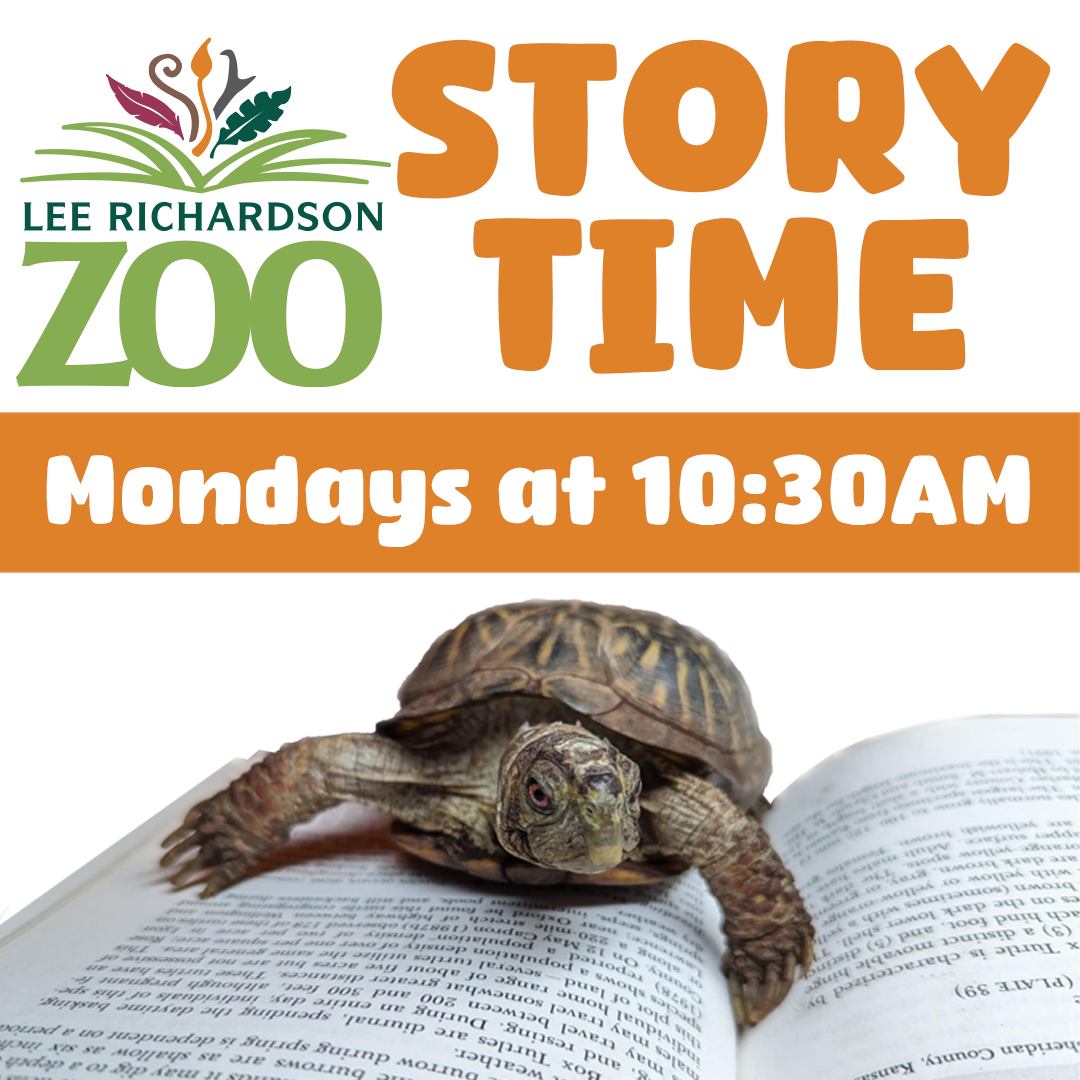
Story Time at the Finnup Center for Conservation Education offers a valuable opportunity for young children to cultivate a love for literature while simultaneously connecting with nature. This program, held at 10:30 AM, welcomes Pre-K children, though participants of all ages are encouraged to join. Through engaging narratives, informative animal discussions, and fun craft activities, attendees experience a multifaceted approach to education.
Engaging with stories serves a fundamental role in early childhood development. Research shows that storytelling can significantly enhance vocabulary acquisition and comprehension skills in young listeners. When a child hears a story, their imagination activates. This imaginative process not only helps with language skills but also nurtures critical thinking, as children begin to process the plot and characters. Listening to stories about animals encourages curiosity about the animal kingdom and can ignite an interest in wildlife conservation from a young age.
At the Finnup Center, children hear stories that often center around animals. This focus introduces them to biodiversity and the ecological roles different species play. Whether it’s a tale about a curious raccoon or a brave little turtle, each narrative is an invitation to learn. For instance, understanding how animals adapt to their environments can open a discussion about ecosystems. This kind of storytelling can help demystify the animal world, making it accessible and enjoyable for young minds.
The hands-on aspect of Story Time is equally significant. After the reading session, participants engage in craft activities that relate to the story. This approach embodies kinesthetic learning, which is highly effective in early childhood education. Crafting a representation of an animal from the story allows children to express their interpretations and feelings about the characters they encountered. It also promotes fine motor skills as they cut, color, and glue materials. Through these crafts, children may bring home not only a physical reminder of the story but also a strengthened connection to the conservation themes discussed.
Integrating animal knowledge into Story Time emphasizes the importance of wildlife education in the lives of young children. Exposing children to animal facts and conservation messages fosters empathy towards the animal kingdom. This understanding can establish a foundation for lifelong conservation efforts. For instance, teaching kids about endangered species and their habitats may inspire them to participate in conservation initiatives later in life. Children who engage with these concepts early are often more likely to grow into conscientious adults, aware of their environmental footprint.
Parental and caregiver involvement during Story Time is crucial for reinforcing the lessons learned. Caregivers play a vital role in asking questions and prompting discussions about the stories and the animals featured within them. Simple questions like “What would you do if you met that animal?” can lead to rich conversations about wildlife behavior and habitats. This interaction helps crystallize the lessons about conservation and animal welfare. Moreover, when caregivers actively participate in crafts, they not only foster creativity but also model behaviors that emphasize curiosity and respect for nature.
For those considering attending Story Time at the Finnup Center for Conservation Education, here are some practical tips to maximize the experience. First, arrive a few minutes early to settle in and get comfortable. This will allow children to adjust to the environment and will minimize distractions. Second, be prepared to engage. Encourage your child to share their thoughts about the story and to express what they enjoyed about the craft. This dialogue reinforces their comprehension and expands their critical thinking skills. Additionally, consider visiting the center’s exhibits or participating in other programs after Story Time. Interacting with animals in a controlled setting will deepen the connection to the educational messages conveyed in the stories.
The interactive nature of Story Time positions it as an excellent tool for instilling a sense of responsibility in regard to wildlife and environmental stewardship. Young children exposed to conservation themes through playful storytelling and crafts are likely to carry this awareness into their adult lives. This awakening can lead to positive behavioral changes, such as reduced waste, careful consumption, and respect for nature—elements that are key to sustainable living.
In summary, Story Time at the Finnup Center for Conservation Education does much more than just entertain. It serves as an educational forum where children learn about animals, storytelling, and active participation in conservation efforts. Through engaging narratives and hands-on crafts, children develop a foundational understanding of the importance of wildlife conservation and ecological awareness. As caregivers engage with their children during this time, they can foster a generation that is not only knowledgeable about but also passionate about protecting the natural world.
By participating in such programs, families can participate in a community-wide effort to cultivate a love for wildlife and foster a sense of personal responsibility toward conservation. The dynamic activities at Story Time, coupled with thoughtful discussions, set the stage for a brighter, more sustainable future for both kids and the planet they inhabit.
*****
Source Description
Join us for Story Time today at 10:30 at the Finnup Center for Conservation Education!
Story Time is free program designed for Pre K kiddos (though all ages of kids are welcome) and their caregivers.
Participants hear a story, learn about animals, and make a fun craft to take home.
