
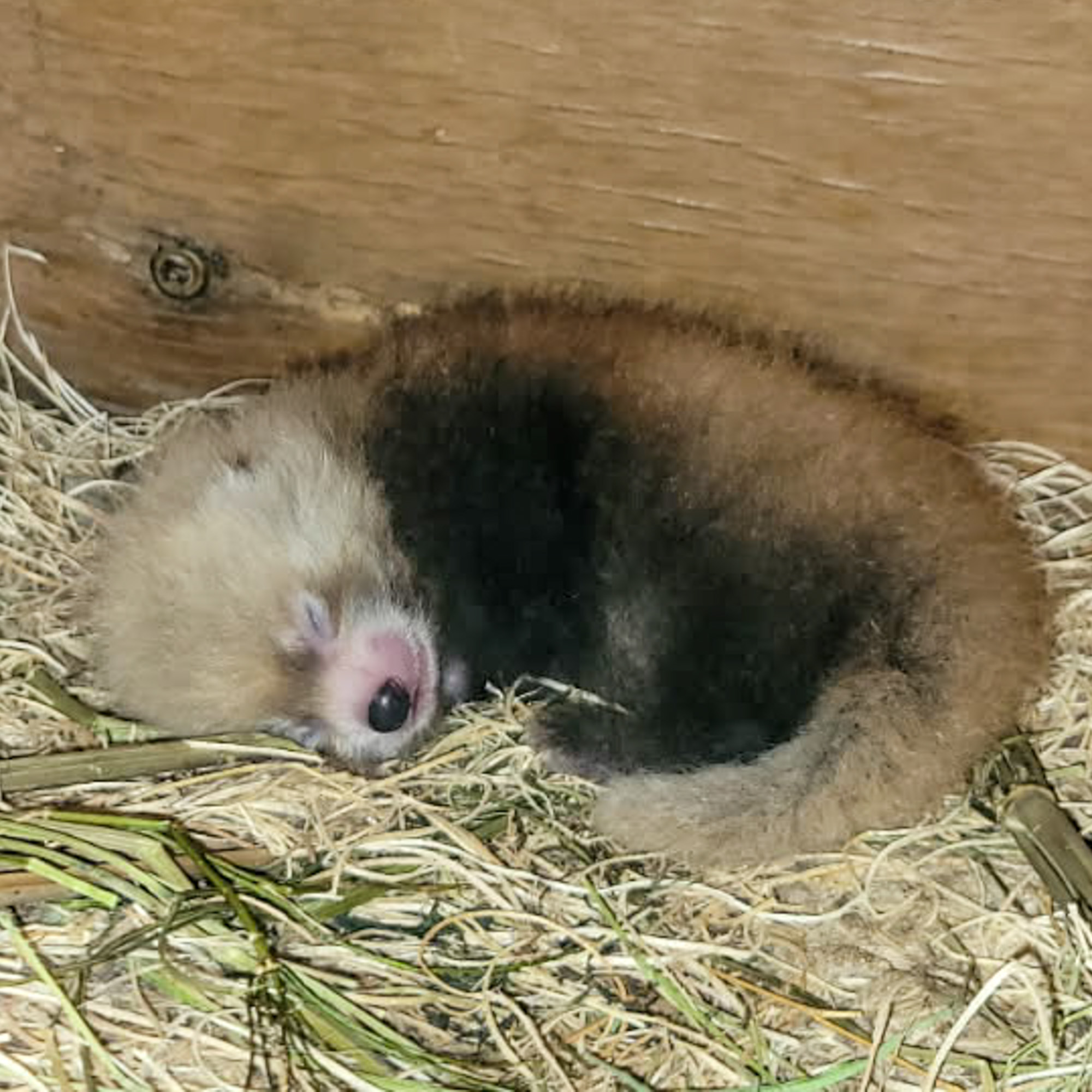
- The significance of the birth of an endangered red panda cub at the Trevor-Lovejoy Zoo
- The role of the Association of Zoos and Aquariums Species Survival Plan program in breeding efforts
- The challenges faced in the conservation of red pandas in both captivity and the wild
- A closer look at the parents of the newborn cub and their backgrounds
- The importance of monitoring and animal care practices in zoo environments
The birth of an endangered red panda cub at the Trevor-Lovejoy Zoo represents a crucial milestone in wildlife conservation efforts. The cub’s arrival on June 16th was noteworthy not only because it adds to the population of a species that is dwindling due to habitat loss but also reflects the zoo’s commitment to breeding programs aimed at preserving endangered species. The red panda is native to the cool temperate forests of China, Nepal, and Bhutan, where it faces multiple threats. The birth highlights both the successes and ongoing efforts of zoos globally in fostering species recovery.
One essential aspect of this birth is its connection to the Association of Zoos and Aquariums (AZA) Species Survival Plan (SSP) Program. This program coordinates breeding among accredited zoos to maintain genetic diversity and population health. Lucy and Zhu, the parents, were specifically chosen for their genetic compatibility, an effort that maximizes the likelihood of healthy offspring. Since 2014, Trevor-Lovejoy Zoo has welcomed three red panda births, with the cub being the fourth to survive past one month. This ongoing success underscores the effectiveness of collaborative breeding programs that prioritize maintaining viable populations in captivity.
Conservation efforts for red pandas face significant challenges. The International Union for Conservation of Nature (IUCN) lists the red panda as endangered, with fewer than 3,000 individuals remaining in the wild. The primary threats are habitat destruction and fragmentation due to agricultural expansion, logging, and human encroachment. Additionally, red pandas have a high infant mortality rate, with only about one in three cubs usually surviving to adulthood. Thus, effective breeding and rearing practices in captivity are not just advantageous; they are essential for the survival of this species.
Examining the backgrounds of the cub’s parents provides further insight into this successful breeding initiative. Lucy, who is seven years old, was born in 2018 at the Scovill Zoo in Decatur, Illinois. Her journey took her to the Philadelphia Zoo before she arrived at Millbrook in 2024. Zhu, the father, is 12 years old and was born in 2013 at Binder Park Zoo. He transitioned to Trevor-Lovejoy Zoo in 2017 after spending time at Zoo Knoxville. Notably, Zhu is also the father of Sandy/Raj, who was born at the zoo in 2022 and now resides at the Santa Barbara Zoo. Their lineage contributes to genetic diversity, an important aspect of conservation efforts.
The ongoing care and monitoring of the cub and its mother are paramount. The zoo’s animal care staff closely observe them through video feeds and frequent visual checks, ensuring a harmonious environment for both mother and cub. Thankfully, Lucy is nursing regularly and caring for her baby on her own. This natural approach allows the cub to develop essential behaviors that it will carry into adulthood. The staff’s goal is to create an environment where the mother can fulfill her maternal duties without excessive human intervention. This way, the cub can experience a more holistic upbringing that prepares it for eventual reintroduction into the wild if necessary.
The importance of animal care practices cannot be overstated. At the Trevor-Lovejoy Zoo, protocols are established to monitor the health and well-being of all animals, especially endangered species like red pandas. Animal care professionals rely on veterinary advice and observational data to assess growth, health, and behavioral patterns. The cub’s progress is monitored daily, allowing for timely interventions if any issues arise. This applies to both physical and behavioral health, ensuring the cub grows strong and capable of independent survival.
Red pandas exhibit unique characteristics that make them fascinating to study and observe. They are primarily solitary animals, with the exception of mating season and parental care. Their diet primarily consists of bamboo, but they are classified as carnivores. This dietary preference complicates their care, especially in captivity, where a well-balanced diet must be provided to meet their nutritional needs. The Trevor-Lovejoy Zoo has implemented a diet specific to the requirements of red pandas, ensuring they receive the appropriate proteins, vitamins, and minerals essential for their growth.
Moreover, red pandas play a critical role in their ecosystem. As bamboo eaters, they help maintain the health of bamboo forests. These forests, in turn, provide habitats for other species and contribute to biodiversity. Losing red pandas would have cascading effects beyond their immediate population, impacting the ecosystems they inhabit.
Public engagement and education also play vital roles in the conservation of red pandas. The Trevor-Lovejoy Zoo actively involves the community in understanding the challenges these animals face. Educational programs, outreach initiatives, and social media campaigns strive to raise awareness about the plight of the red panda. Such efforts not only build support for conservation initiatives but also inspire future conservationists.
Zoos like Trevor-Lovejoy provide invaluable opportunities for research. The data collected from captive breeding programs offers insights that can be applied to wild populations. Understanding mating behaviors, parental care, and growth patterns in a controlled environment can improve strategies to protect red panda populations in their natural habitats. Collaborative research among zoos can amplify these findings, contributing to a greater understanding of the species overall.
Habitat restoration is another crucial aspect of red panda conservation. Organizations and zoos are collaborating with local communities to implement sustainable practices that protect bamboo forests and other critical habitats. This ensures that successful breeding programs can lead to viable populations in the wild. By rehabilitating degraded habitats, red panda conservationists aim to create an environment conducive to their survival beyond captivity.
As the global community faces environmental challenges, the Trevor-Lovejoy Zoo exemplifies how zoos can serve as critical conservation hubs. By breeding endangered species like the red panda and promoting global awareness, they contribute to efforts aimed at reversing biodiversity loss. As the cub grows, it will exemplify the successful collaboration between zoos, environmental organizations, and the community in conservation efforts.
The birth of the red panda cub at Trevor-Lovejoy Zoo is more than a joyful event; it is a beacon of hope for endangered species management. This instance emphasizes the importance of individuals and organizations working cooperatively toward common goals. As we monitor the health and development of this cub, it stands as a testament to the potential for recovery in the face of environmental challenges, galvanizing continued efforts in wildlife conservation. The future of the red panda, too, hinges on the collective actions taken by humans and the dedication shown to safeguard their existence.
*****
Source Description
The Trevor-Lovejoy Zoo at Millbrook School is pleased to announce the birth of an endangered red panda cub. The cub was born on the morning of June 16th to Lucy (female) and Zhu (male), a pair recommended for breeding by the Association of Zoos and Aquariums (AZA) Species Survival Plan (SSP) Program. This is the first birth for mom Lucy, age 7. Since 2014, this is the third successful red panda birth at the Trevor-Lovejoy Zoo, and the fourth cub to survive past the one-month mark.
The cub is doing well and growing normally. Animal care staff are closely monitoring the red pandas via video feeds and brief visual checks throughout the day. Lucy is nursing regularly and doing a great job caring for her baby, rearing the cub on her own.
Lucy was born in 2018 at the Scovill Zoo in Decatur, Illinois, and lived at the Philadelphia Zoo before coming to Millbrook in 2024. Zhu, age 12, was born in 2013, at Binder Park Zoo, and arrived at the Trevor-Lovejoy Zoo in 2017 from Zoo Knoxville. Zhu is the father of Sandy/Raj, born at the Trevor-Lovejoy Zoo in 2022 and residing now at the Santa Barbara Zoo.
The red panda is an endangered species—there are perhaps fewer than 3,000 left in the wild bamboo forests in China, Nepal, and Bhutan—and the population continues to decline with habitat loss. Infant mortality for red pandas is very high, with only one in three cubs usually surviving. Breeding and rearing them in captivity is very difficult.
Director of Animal Care Kyleen Depew reports, “We have closely monitored Lucy and her cub’s progress over the last month. We are excited to watch them develop each day. Lucy has been raising the cub in her exhibit without our assistance. This provides the best chance for a normal, healthy red panda baby, who can someday pass down those behaviors to their own offspring. During this time, Zhu has been able to remain in the exhibit with Lucy and the cub.”
…Continued in comments
@redpandanetwork @zoos_aquariums @saferedpanda @philadelphiazoo @scovillzoo @millbrookschool
