
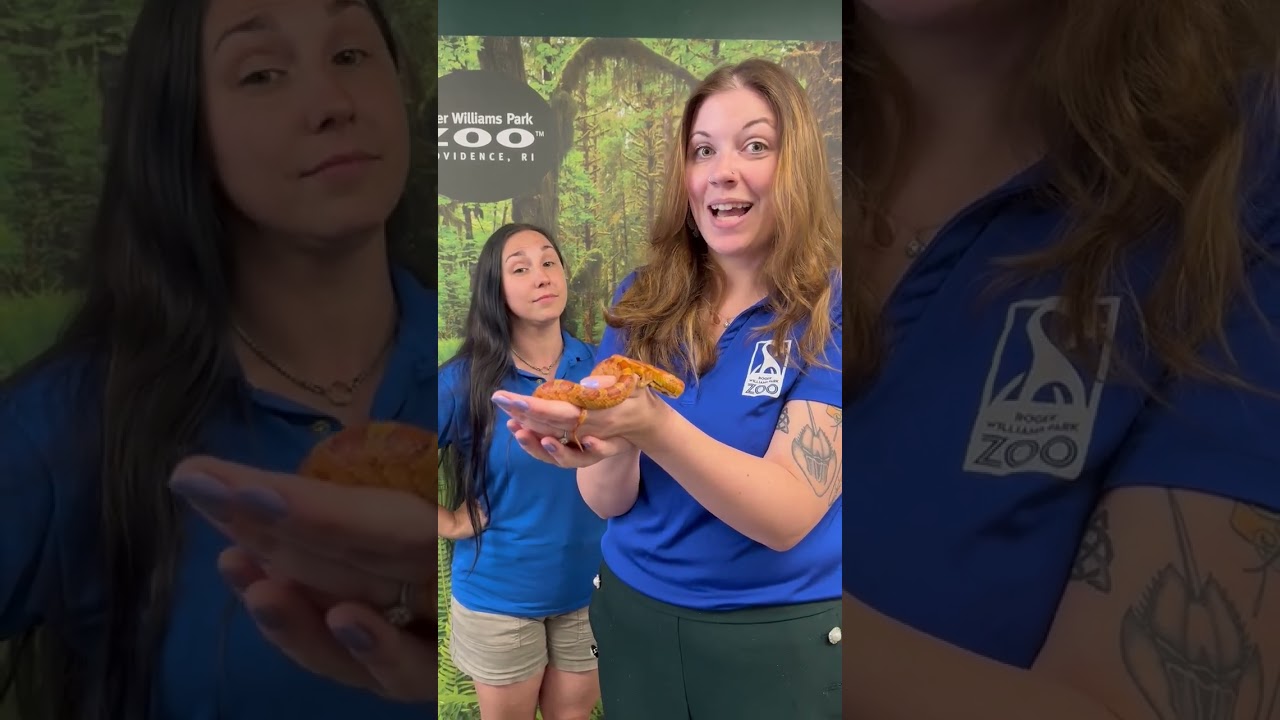
- Introduction to Udon the Corn Snake, celebrating #WorldSnakeDay
- The natural history and habitat of corn snakes
- The role of corn snakes in ecosystem balance and pest control
- Captive care and management of corn snakes, including Udon
- Conservation, education, and awareness in wildlife management
Corn snakes, like Udon, serve as fascinating representatives of the smaller-scaled members of the snake family. As we commemorate #WorldSnakeDay, let’s delve into the natural history, ecological roles, and conservation considerations surrounding these creatures. Join us in unveiling essential insights about Udon the corn snake and the broader implications for wildlife management and conservation.
Corn snakes (Pantherophis guttatus) are a species native to the southeastern United States. Renowned for their striking coloration and manageable size, these snakes are often celebrated as exemplary beginner reptiles for enthusiasts. Udon, a captivating example, helps illustrate these characteristics, showcasing why corn snakes have enamored scientists and hobbyists alike.
Let’s explore the natural habitat of corn snakes. These reptiles predominantly reside in overgrown fields, forest openings, and agricultural landscapes. Their preference for temperate environments allows for diverse adaptation strategies. Corn snakes utilize their keen senses to navigate this terrain, often inhabiting abandoned burrows to shelter from predators and climate extremes.
Corn snakes hold a pivotal role in ecosystem balance. By preying on small rodents, they contribute significantly to controlling pest populations. This natural form of pest management is vital for both agricultural success and ecological stability. Udon, as a corn snake ambassador, helps demonstrate the importance of these reptiles in maintaining healthy ecosystems.
Caring for corn snakes in captivity requires specialized knowledge and dedication. Owners must provide appropriate enclosures, heating, and feeding regimens to replicate their natural environment. Udon’s daily care involves ensuring optimal conditions, which include maintaining proper humidity levels and providing a diet of appropriately sized rodents.
In the field of zoo management, corn snakes are valued for their educational potential. Institutions worldwide utilize these reptiles to highlight critical conservation messages. Educational programs featuring snakes like Udon engage the public, fostering appreciation and understanding of reptiles’ roles in nature.
Conservation efforts for corn snakes extend beyond captivity. While they are not currently endangered, habitat loss and human-induced threats could influence their populations. Awareness initiatives and habitat preservation are vital to protect these snakes’ future. Udon serves as a testament to the delicate balance between humans and wildlife and the need for sustainable coexistence strategies.
In summary, corn snakes like Udon embody the intersection of biodiversity, education, and conservation. By appreciating their ecological roles and advocating for their protection, we can contribute to a future where snakes and humans thrive together. This #WorldSnakeDay, let Udon inspire you to embrace the marvels of reptile life and the ongoing efforts required to safeguard their habitats.
*****
Source Description
Meg is gonna tell you about Udon the corn snake and you better listen 😤 It’s #WorldSnakeDay! 🐍
