
- The significance of sensory inclusivity in public spaces
- Overview of the National Mississippi River Museum & Aquarium’s sensory-inclusive features
- The science behind sensory sensitivities and their prevalence
- Benefits of creating accessible environments for various conditions
- How the museum contributes to wildlife conservation and education efforts
Sensory inclusivity is a vital consideration in today’s public spaces. As communities strive to accommodate a diverse population, venues like the National Mississippi River Museum & Aquarium are stepping up to meet these needs. With the recent recertification as a sensory-inclusive venue by KultureCity for 2025, the museum demonstrates its commitment to creating accessible experiences for all visitors.
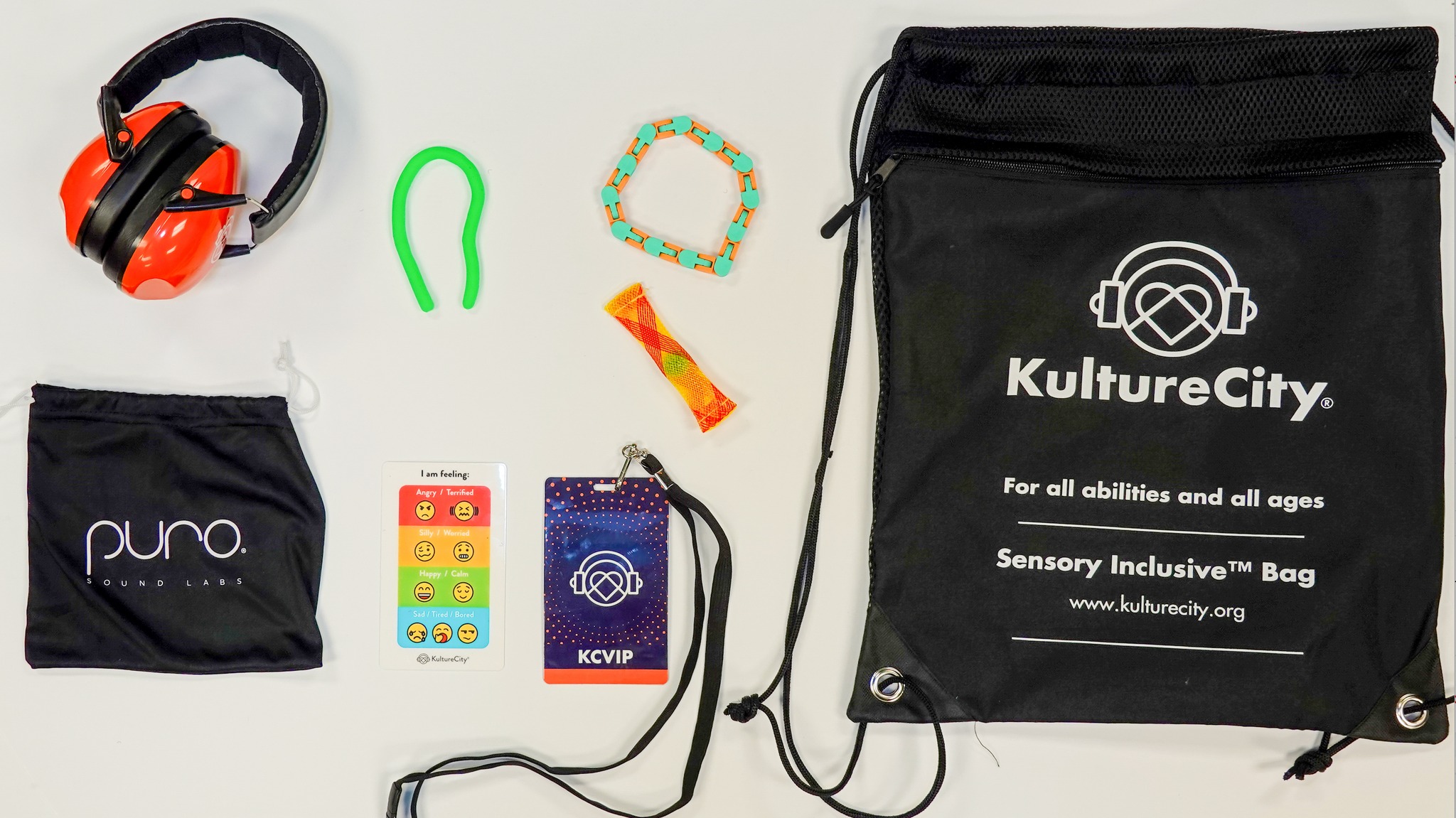
This designation reflects efforts to provide tools and spaces that cater to different sensory preferences. The museum offers sensory bags for guests, which include essentials such as noise-canceling headphones provided by Puro Sound Labs, fidget tools, verbal cue cards, and weighted lap pads. These resources help mitigate sensory overload, making the experience more enjoyable for individuals with various needs. Additionally, designated quiet areas and a comfort room are available for those needing a break from stimulation.
Sensory sensitivities are common and often affect individuals with conditions such as autism, anxiety, dementia, PTSD, and other sensory processing disorders. The Centers for Disease Control and Prevention estimates that 1 in 4 people will experience some level of sensory needs throughout their lives. For many, environments with crowds, bright lights, loud sounds, and distinct odors can be overwhelming. By providing these resources, the National Mississippi River Museum & Aquarium fosters a comfortable and inclusive atmosphere for everyone.
Creating spaces that cater to sensory needs is beneficial not only for individuals but also for families and caregivers. Having access to sensory bags and quiet areas allows families to enjoy their time together without the stress often associated with outings. Visitors can explore the museum’s exhibits at their leisure, enhancing their understanding of wildlife and conservation issues without feeling anxious or overstimulated.
The importance of sensory inclusivity extends beyond individual experiences; it contributes to society’s overall health. By ensuring that public spaces like the National Mississippi River Museum & Aquarium are accommodating, communities promote acceptance and understanding of diverse needs. As these environments become more inclusive, they encourage greater participation among all individuals.
The science behind sensory sensitivities reveals complex interactions between neurological, environmental, and psychological factors. Sensory processing disorder can manifest in various ways, impacting how individuals perceive and react to stimuli. For example, a person with heightened sensitivities may respond adversely to a loud noise or a bright light, while someone with reduced sensitivities may require more stimulation to engage. Research has shown that environments tailored to support sensory needs can significantly improve the well-being of individuals affected by these issues.
Providing sensory-friendly options is also beneficial for individuals with conditions that often co-occur with sensory sensitivities, such as anxiety and PTSD. Creating a supportive environment can reduce stress and facilitate a more enjoyable outing. This approach highlights the museum’s dedication not just to entertainment but also to education and understanding.
Wildlife conservation and education are central to the National Mississippi River Museum & Aquarium’s mission. By promoting awareness and appreciation of the Mississippi River ecosystem and its inhabitants, the museum provides visitors with insights into conservation efforts. Educational exhibits and interactive experiences highlight the importance of biodiversity and the need for ongoing habitat protection.
The museum also features extensive exhibits on various aspects of river ecology, including the importance of clean water and the impacts of climate change on aquatic species. By educating visitors about these topics in a sensory-inclusive manner, the museum enhances the learning experience while promoting responsible stewardship of our natural resources.
In addition to its exhibits, the museum offers programs tailored to various age groups and abilities, ensuring that everyone has the opportunity to learn about and engage with the natural world. Through workshops, guided tours, and special events, the museum fosters a deeper understanding of wildlife and conservation issues.
Inclusivity is more than a trend; it is a moral imperative in environmental stewardship. As scientific research continues to validate the impact of sensory sensitivities on different populations, public institutions must adapt. The National Mississippi River Museum & Aquarium sets an example for others by implementing practical measures that enhance access to education and recreation.
Another layer to consider is community engagement. The museum’s initiatives foster collaboration with local organizations dedicated to disability awareness and accessibility. By working together, these groups can support one another in creating a more inclusive society. These collaborations also open up opportunities for knowledge sharing and resource pooling, further enhancing the museum’s ability to serve its visitors.
Moreover, the sensory-inclusive certification can have significant implications for tourism. Families with members who have sensory sensitivities often research destinations before visiting. By promoting its sensory-friendly features, the National Mississippi River Museum & Aquarium positions itself as a destination that prioritizes inclusivity. This not only attracts diverse visitors but also encourages others in the tourism sector to embrace similar initiatives.
The value of educational institutions taking steps toward inclusivity cannot be overstated. By implementing sensory-friendly options, the museum fosters an environment where learning about biodiversity and conservation becomes accessible to everyone. Greater awareness of wildlife and the challenges they face creates a strong foundation for future conservation efforts.
Research shows that when individuals are empowered to connect with nature, they are more likely to advocate for environmental preservation. The National Mississippi River Museum & Aquarium’s initiatives are instrumental in bridging the gap between education, inclusivity, and conservation.
Often, people are unaware of the impact environmental conservation has on individual well-being. Psychological studies indicate that interactions with nature can reduce stress, improve mood, and increase cognitive functioning. Therefore, the work done by the museum contributes to both physical and mental health, a testament to the interconnectedness of the natural world and human experience.
In summary, the National Mississippi River Museum & Aquarium’s recertification as a sensory-inclusive venue highlights the necessity of accommodating diverse sensory needs in public spaces. The steps taken by the museum, including sensory bags, quiet areas, and educational initiatives, exemplify how institutions can foster a supportive environment for all visitors.
Promoting inclusivity not only enhances individual experiences but also contributes to broader societal acceptance and environmental stewardship. As discussions surrounding sensory processing continue to gain momentum, the museum stands at the forefront of a movement that values both education and accessibility. By prioritizing these efforts, the National Mississippi River Museum & Aquarium underscores its commitment to being a welcoming venue for everyone, all while fostering a deeper understanding of the importance of wildlife conservation.
*****
Source Description
We’re excited to share that the National Mississippi River Museum & Aquarium is officially recertified as a sensory-inclusive venue by @kulturecity for 2025!
As part of this certification, we offer sensory bags for guests to check out that include noise-canceling headphones (thanks to Puro Sound Labs), fidget tools, verbal cue cards, and weighted lap pads. We also have designated quiet areas and a comfort room. These tools are available to any guest who might need extra support for a more enjoyable experience.
Sensory sensitivities are very common. In fact, 1 in 4 people experience sensory needs. They can affect people in many ways– including those with autism, anxiety, dementia, PTSD, and other conditions– and things like crowds, bright lights, loud sounds, and smells can sometimes be overwhelming. That’s why we’re committed to providing resources and spaces that make visits more comfortable and inclusive for all.
We’re proud to continue our commitment to ensuring the River Museum is a space where everyone can explore, learn, and have fun!
