
- The significance of the International Cooperative Research Agreement.
- The facts and characteristics of pandas, specifically Ping Ping and Fu Shuang.
- The role of Zoo Atlanta in wildlife conservation and panda research.
- The challenges facing giant pandas in their natural habitats.
- The implications for zoo management and public education through panda exhibits.
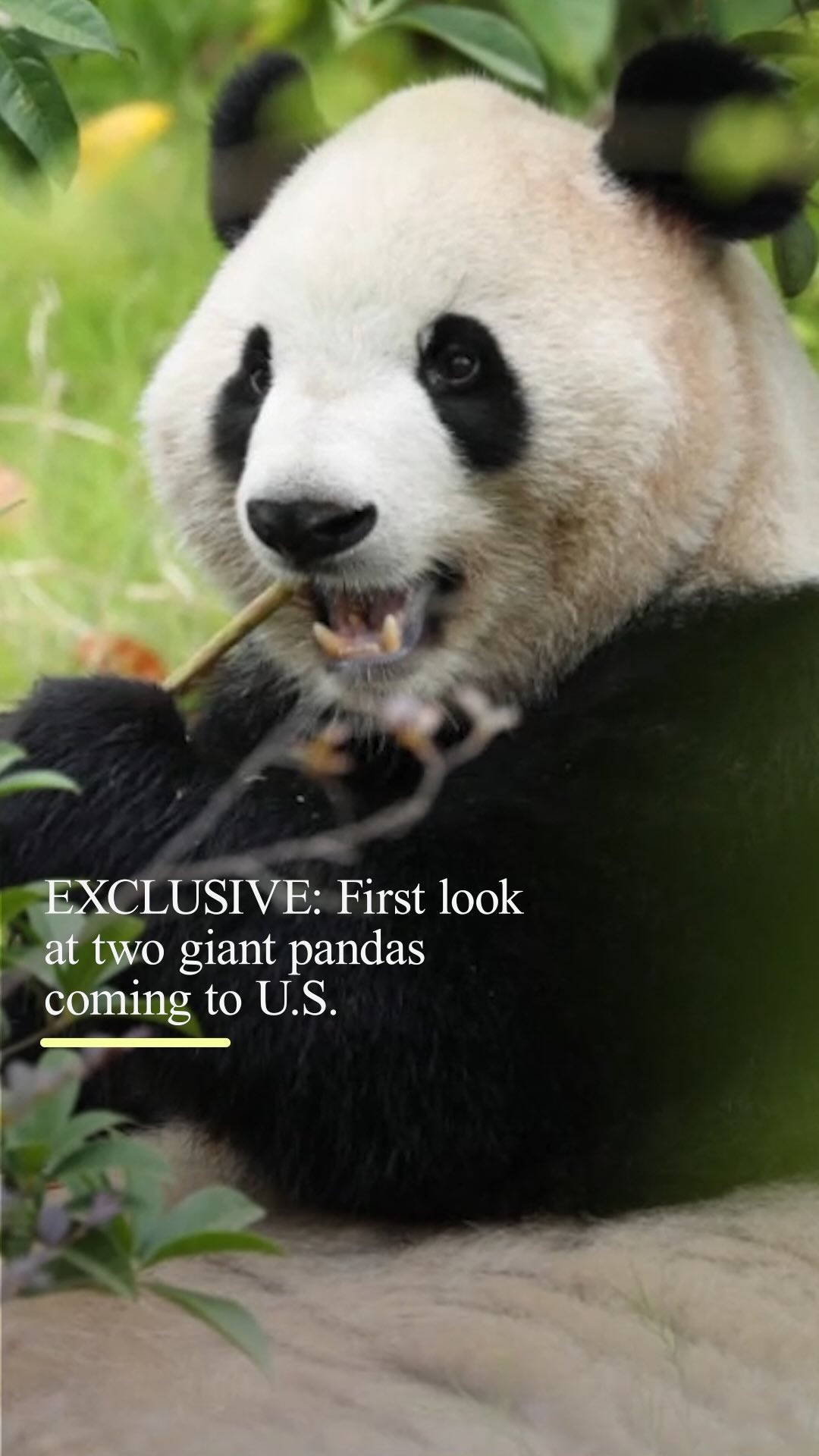
The recent announcement regarding the relocation of pandas Ping Ping and Fu Shuang to Zoo Atlanta under a new International Cooperative Research Agreement with the China Wildlife Conservation Association emphasizes the importance of wildlife collaboration. This partnership aims to strengthen scientific understanding and promote conservation efforts for the giant panda, a species that continues to captivate global attention.
Collaboration between wildlife organizations and zoos fosters essential research opportunities. Such agreements enable better genetic management, breeding programs, and encourage knowledge exchange surrounding panda care and conservation strategies. These initiatives reflect a growing recognition of the interconnectedness of global wildlife management practices, ultimately leading to more informed conservation efforts. By pooling resources and expertise, participating organizations can make strides in protecting endangered species.
Giant pandas, recognized for their distinct black-and-white coloration, have gained symbolic status as ambassadors for wildlife conservation. Native to the mountainous regions of central China, these animals primarily consume bamboo, which constitutes 99% of their diet. Adults can consume up to 40 pounds of bamboo daily. The digestive system of a panda has not evolved to efficiently process such a low-nutrient diet, leading to their peculiar way of life. They are classified scientifically as Ailuropoda melanoleuca, and key anatomical features and behaviors influence their conservation.
Ping Ping and Fu Shuang have attracted significant attention due to their charming personalities as well as their species’ breeding challenges. The average giant panda has a low reproductive rate, with females only ovulating once a year and being fertile for just 24 to 72 hours. Captive breeding programs, like those at Zoo Atlanta, focus on enhancing genetic diversity and increasing the chances of successful reproduction. Scientists meticulously monitor physiological and behavioral signs of estrus to ensure optimal conditions for mating.
Zoo Atlanta has established itself as a cornerstone of wildlife conservation and education, making it an ideal venue for these pandas. The zoo features specialized exhibits that mimic the pandas’ natural habitats, allowing them to thrive in a setting conducive to their needs. The staff is dedicated to ongoing research projects focused on understanding panda behavior and health.
Public education plays a crucial role in conservation. While visiting Zoo Atlanta, guests can learn about the giant panda’s plight and the factors contributing to their endangerment. Informative signs, educational programs, and interactive experiences help tourists understand the urgency of conservation work. Increased visitor engagement leads to greater awareness and support for efforts to protect these and other endangered species.
The ongoing threats faced by giant pandas include habitat destruction, bamboo availability, and climate change. Habitat fragmentation has dramatically reduced their range, making it difficult for populations to thrive. As urban development expands and agriculture encroaches on their natural environment, the availability of bamboo decreases. This poses a serious challenge, as pandas rely on this single food source for their survival. Conservationists are actively engaged in habitat restoration projects aimed at protecting and expanding these critical areas.
Zoos play a vital role in preserving endangered species through conservation breeding programs. These programs involve controlled breeding to maintain genetic diversity, enabling populations to become more resilient. By introducing populations back into the wild, scientists can bolster dwindling numbers. Additionally, the emergence of new techniques in reproductive biology has allowed zoos to utilize cutting-edge methods like artificial insemination to further enhance these efforts.
The presence of pandas in North American zoos also serves to inspire future generations. Young visitors who interact with these animals often develop a passion for wildlife conservation. Successful outreach programs can foster a new generation of conservation thinkers and environmental leaders.
Zoo Atlanta’s commitment to panda conservation aligns with widespread trends in zoo management that prioritize the welfare and education of captive animals. Interactive exhibits allow visitors to experience the beauty and uniqueness of giant pandas up close. The use of social media platforms, environmental education, and outreach efforts is integral to zoo strategy. Engaging storytelling enhances the visitor’s experience and can transform individual interactions into lasting impacts on public perception about wildlife and conservation.
Conservation efforts must also address the impact of climate change on bamboo habitats. As global temperatures rise, the range of suitable habitats for bamboo diminishes. Predictions indicate that large portions of bamboo habitats could vanish, further exacerbating the challenges faced by giant pandas. These findings underline the urgency for advocacy and action at both local and international levels.
Through research and public awareness campaigns, zoos can facilitate a dialogue about the wider implications of climate change on biodiversity. Engaging local communities and highlighting the interconnectedness of ecosystems can foster a sense of stewardship among the public. Initiatives promoting sustainable practices within communities also highlight the importance of conserving wildlife habitats.
The future of giant pandas may hinge on global collaboration and innovative strategies. It will require the synchronized efforts of local communities, governments, and conservation organizations to create a conducive environment for pandas to flourish. Active public participation in conservation programs ensures a collective effort for improvement.
Throughout history, giant pandas have served as symbols of conservation success. However, their continued survival on Earth remains conditional on our dedication to protecting their habitats and conserving their natural ecosystems. The partnership between Zoo Atlanta and the China Wildlife Conservation Association exemplifies the potential for synchronized global conservation initiatives, representing a proactive step towards an optimistic future. The preservation of biodiversity depends on our collective action and willingness to adapt strategies that align with environmental challenges.
Zoo Atlanta embodies a modern paradigm of wildlife conservation, one that combines education, research, and community involvement. The images of Ping Ping and Fu Shuang will captivate audiences and open discussions about crucial environmental issues. Through engaging and informed dialogue, we can work together to create a sustainable future for all species at risk of extinction.
Initiatives such as the arrival of pandas Ping Ping and Fu Shuang at Zoo Atlanta under the International Cooperative Research Agreement demonstrate the commitment to conservation exemplified by modern zoos. This partnership not only seeks to ensure the survival of giant pandas but also embodies the collaborative spirit key to tackling the ongoing challenges of wildlife conservation.
*****
Source Description
It’s panda-monium! Pandas Ping Ping and Fu Shuang are heading to Zoo Atlanta under a new International Cooperative Research Agreement with the China Wildlife Conservation Association.
