
- The significance of virtual fashion shows in the current landscape
- A comprehensive look at the “We have Paris Fashion Week at home” initiative
- The intersection of fashion and wildlife conservation efforts
- The role of social media in promoting fashion and environmental awareness
- How to incorporate sustainable practices into personal style
The fashion industry has witnessed substantial transformations in recent years, especially propelled by the COVID-19 pandemic. The shift towards virtual platforms has gained traction, leading to experiences like “We have Paris Fashion Week at home.” This initiative facilitates immersive fashion shows remotely, creating accessibility and innovation in the industry. Virtual events enable designers to showcase their works without the traditional constraints of physical venues.
Exploring the “We have Paris Fashion Week at home” initiative reveals the creative approaches taken by designers and brands to maintain relevance. The concept of remote fashion shows exemplifies how technology bridges gaps, allowing global audiences to engage with collections almost instantaneously. These events often incorporate sophisticated digital elements that create dynamic displays. For instance, fashion houses employ augmented reality to offer viewers a more interactive experience. This innovation does not merely allow for participation; it encourages creativity and experimentation in ways previously dismissed.
The importance of these fashion showcases extends beyond aesthetics; they reflect an underlying commitment to sustainability. With increasing scrutiny on the environmental impact of fashion, many designers have begun to emphasize eco-friendly practices. The initiative serves as a platform to promote sustainable fashion, making vital connections with the theme of wildlife conservation. Many offerings highlight materials sourced with ethical considerations, such as organic fabrics or recycled elements, which resonate with growing consumer demand for responsible fashion choices.
The intersection of fashion and wildlife conservation has become an important area of focus. The approach to sustainability in the fashion industry acknowledges not just human impact, but also the consequences for wildlife and habitats. Issues such as deforestation for textile production or the use of harmful dyes pose threats to biodiversity. Initiatives like these showcase designers who source materials aligned with conservation goals. Ethical animal treatment in fashion production also represents a significant discussion point, encouraging broader conversations about human and ecological health.
Social media plays a pivotal role in amplifying both fashion trends and environmental challenges. Platforms like Instagram and TikTok provide aesthetic outlets for designers and influence consumers’ perception of style. In this landscape, influencers can leverage their reach to educate audiences on conservation issues intertwined with fashion. The “We have Paris Fashion Week at home” initiative gains visibility as participants share their experiences and insights through social channels. This synergy between fashion and social platforms enhances the narrative around ethical consumption.
As individuals take cues from virtual fashion presentations, they can also consider integrating sustainable practices into their personal wardrobes. Fashion offers a means of self-expression, yet how one chooses to express that identity can have a significant ecological footprint. Consumers can opt for second-hand clothing, which reduces waste and gives garments a new life. Participating in local swap events or exploring thrift store options not only reflects individual style but also promotes community and environmental health.
Animal welfare organizations increasingly partner with fashion brands to promote sustainable practices. Collaborative efforts raise awareness about endangered species and the ecosystems they inhabit. By supporting labels that align with conservation goals, consumers directly contribute to these initiatives. More fashion brands are committing portions of sales to wildlife conservation projects, adding a philanthropic element to their business model. This not only boosts brand reputation but also fosters loyalty among environmentally-conscious consumers.
Fashion education also takes a front seat in this changing landscape. As brands prioritize sustainability in their practices, educational institutions are adapting curriculum to encompass these values. Students aspiring to enter the industry are increasingly taught about the implications of textile waste, sustainable sourcing, and ethical production methods. Innovation labs and courses on digital fashion technologies are emerging, equipping future designers with the tools to navigate this new terrain effectively.
The concept of “We have Paris Fashion Week at home” doesn’t just provide entertainment; it serves as an educational platform. Viewers often find themselves engaging with discussions around climate change and social impact while exploring the latest collections. Engaging narratives not only highlight the beauty of the designs but also emphasize the importance of conscious consumerism. This blend of fashion and activism resonates with younger audiences who are particularly invested in environmental issues.
Moreover, the pandemic has instigated a broader cultural shift towards recognizing our interconnectedness. As wildlife habitats face unprecedented pressures, industries across the board must adapt. Fashion’s reliance on natural resources requires innovative solutions that address both ecological and economic concerns. The emergence of digital platforms provides brands with the opportunity to showcase their commitment to sustainability transparently.
The “We have Paris Fashion Week at home” concept also allows international designers, often overlooked in conventional fashion events, to showcase their work. This democratization of fashion enables niche voices from diverse backgrounds to share their creativity. Inclusion and representation become essential topics fostered by the digital format, elevating opportunities for marginalized designers.
As discussions flourish around these themes, consumers are empowered to take actionable steps. Many brands now provide transparency regarding their supply chain practices, enabling consumers to make informed choices. When purchasing fashion items, individuals can inquire about the sourcing of materials, labor practices, and efforts toward environmental stewardship. Knowing where and how products are made influences purchasing decisions, reinforcing the demand for responsible fashion.
In conclusion, the messaging around unique fashion shows like “We have Paris Fashion Week at home” underscores a pivotal moment in the industry. As awareness of social, environmental, and conservation-related issues grows, fashion can serve as a springboard for meaningful change. When individuals engage with fashion through a lens of responsibility, they contribute to a larger narrative. The balance between aesthetics and ethical consideration can lead to a vibrant future for both the fashion industry and the wildlife it impacts.
Through innovation, education, and community actions, everyone can play a part. The conversation surrounding sustainability and wildlife conservation has emerged as a driving force within fashion, inspiring individuals to rethink their consumption patterns. Engaging with initiatives like “We have Paris Fashion Week at home” fosters an appreciation for responsible fashion choices, promoting a more equitable relationship with our environment. By intertwining these crucial themes, the fashion industry can move toward a more sustainable future.
*****
Source Description
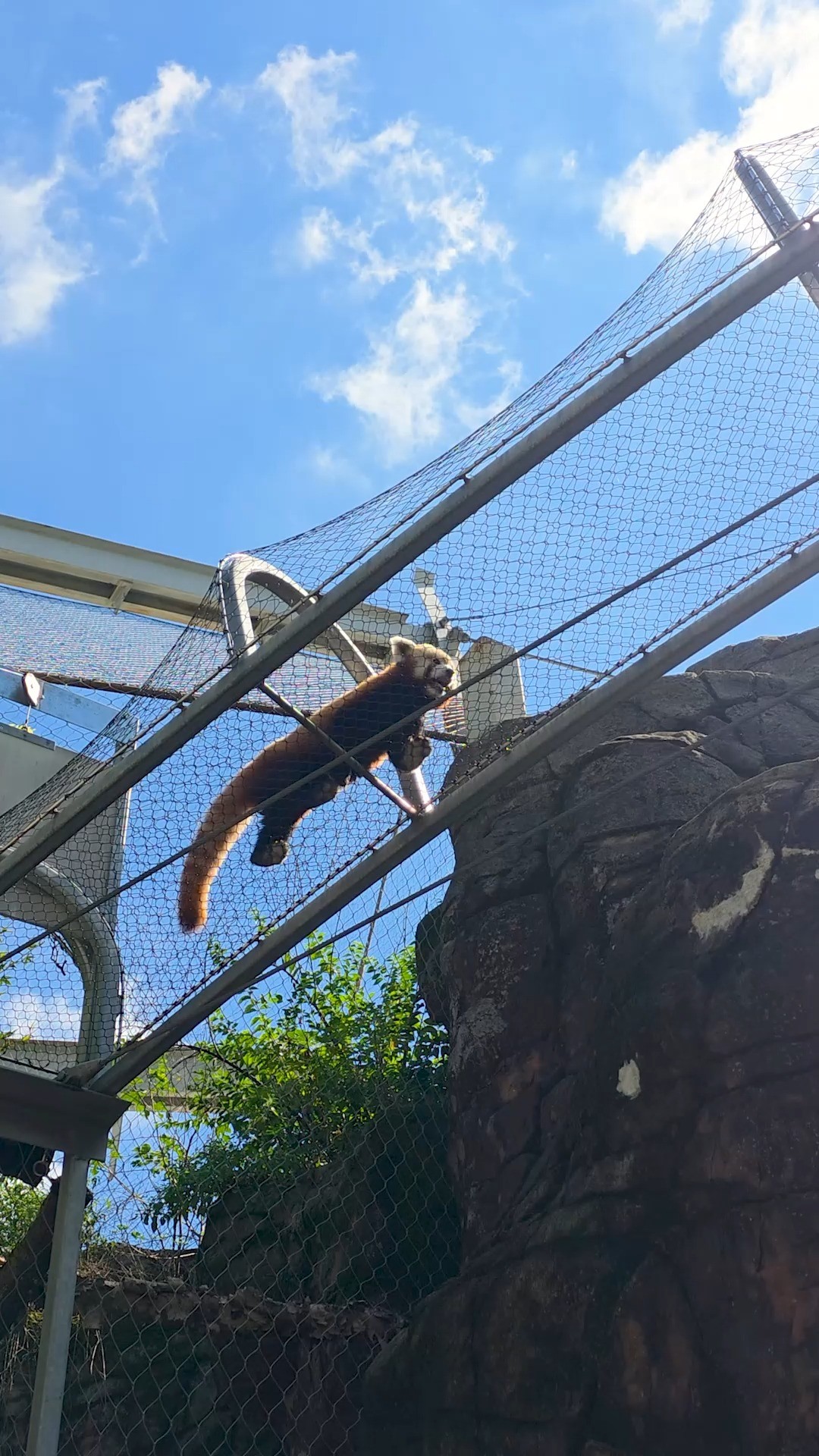
“We have Paris Fashion Week at home”💃
