
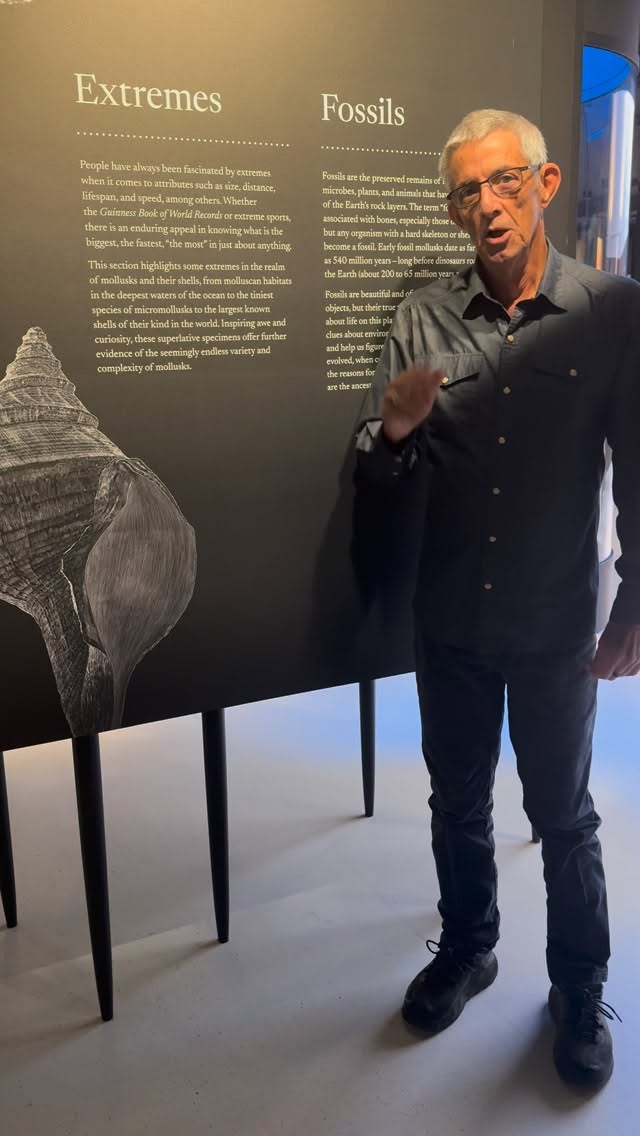
- Explore the significance of fossil exhibits in educating the public about biodiversity and evolution.
- Understand the geological timeline and processes that shape fossil formation.
- Learn about the specific fossils on display in the Great Hall of Shells.
- Discover conservation initiatives linked to fossil education and biodiversity awareness.
- Plan your visit effectively to maximize your experience at the fossil exhibit.
Fossil exhibits serve as a critical educational resource, shedding light on the intricate relationships between organisms and their environments throughout Earth’s history. These exhibitions not only highlight the fascinating diversity of life that existed millions of years ago, but also paint a comprehensive picture of the evolution of species over vast geological timescales. The Great Hall of Shells is such a place, inviting visitors to explore these important themes and gain valuable insights into our planet’s past and future.
Understanding the geological timeline is essential for grasping how fossils come into existence. Fossils form through a complex interplay of geological processes, including sedimentation, mineralization, and natural decay. Over millions of years, organic materials from plants and animals get buried under layers of sediment. As these sediments accumulate, pressure and temperature rise, transforming the organic remains into fossils. The study of these fossils allows scientists to reconstruct ancient ecosystems, illustrating how organisms have adapted to changing environments. Each specimen tells a story that contributes to our understanding of life and extinction.
The Great Hall of Shells features a carefully curated selection of fossils that is uplifting as well as educational. Visitors can expect to see a variety of shells that once belonged to ancient marine life, including mollusks, crustaceans, and echinoderms. Each fossil showcases a unique aspect of the organism’s biology and provides clues about its behavior and habitat. For instance, certain shell structures indicate how an organism may have moved or fed, while others reveal details about the water conditions in which they lived. Fossils from different geological periods, such as the Paleozoic or Mesozoic Eras, help to trace the significant shifts in marine biodiversity over time.
Further enhancing the educational experience, the exhibit also dives into the concept of extinction and its implications for biodiversity. Case studies of past mass extinctions leave a powerful impact on visitors. These events, often triggered by dramatic environmental changes, highlight how sensitive ecosystems can be to alterations, such as climate shifts or geological upheavals. Understanding these events can foster a greater appreciation for contemporary biodiversity and the conservation efforts needed to mitigate similar experiences today.
The link between fossil education and wildlife conservation cannot be overstated. Fossil exhibits can inspire visitors to take action toward preserving current ecosystems. By learning how past extinctions shaped the planet, individuals may become more engaged in protecting biodiversity hotspots today. Educational programs often accompany exhibitions, promoting conservation initiatives and informing the public about ongoing threats to various species. Workshops, lectures, and interactive sessions can enhance understanding and empower individuals to become stewards of the environment.
As you plan your visit to the Great Hall of Shells, consider a few tips to enhance your experience. First, allocate sufficient time for exploration. Fossil exhibits are rich in information, and understanding the displays may benefit from a leisurely approach. Engage with the signage and multimedia presentations; many institutions offer QR codes linking to additional information or audio guides. This interactive approach allows for a deeper dive into the scientific context behind the fossils.
Another useful tip is to participate in any guided tours offered at the museum. These tours often provide unique insights from experts who can answer questions and offer enlightening perspectives on the exhibits. Engaging in discussions with knowledgeable guides can enrich your understanding of the scientific processes at play in fossil formation and what they reveal about past biodiversity.
In addition, be sure to visit related sections of the museum that may connect to the fossil exhibit. Learning about geology, paleontology, and contemporary wildlife conservation initiatives can provide a holistic view of the natural world, facilitating connections between the past and present. Museums today are evolving into hubs of knowledge that go beyond mere displays; they foster discussions around current environmental challenges and conservation strategies.
As you explore the Great Hall of Shells, remember that every fossil represents a fragment of life that once thrived on Earth, each with its own narrative. By engaging with these artifacts, you not only appreciate the vast history of life on our planet but also acknowledge the responsibility we carry in conserving it. Whether you are a student, a scientist, or simply a curious visitor, the experience will cultivate a deeper understanding of the interconnectedness of life forms and the significance of preserving biodiversity.
Take the time to examine the intricacies of the exhibits thoroughly. Look closely at the details in the shells and the specific fossilized features. Each aspect adds a layer of understanding, illustrating how adaptations occur within various environments. The presentation in the Great Hall of Shells is meticulously organized to guide visitors through these scientific revelations, creating an engaging learning atmosphere.
In summary, fossil exhibits, especially in spaces like the Great Hall of Shells, are vital for educating the public about biodiversity, geological history, and the importance of conservation. They provide tangible links to our planet’s past while emphasizing the need for active participation in current environmental stewardship. Planning a comprehensive visit enables gaining insights not only about the fossils themselves but also about how these stories translate to modern conservation efforts.
For more information about scheduling your visit, current exhibits, or educational programs, please check the museum’s website at shellmuseum.org. Engaging with fossil education opens pathways to understanding life on Earth and the critical necessity for its preservation today.
*****
Source Description
Today, learn about our fossil exhibit in the Great Hall of Shells. Plan your visit today at shellmuseum.org
