
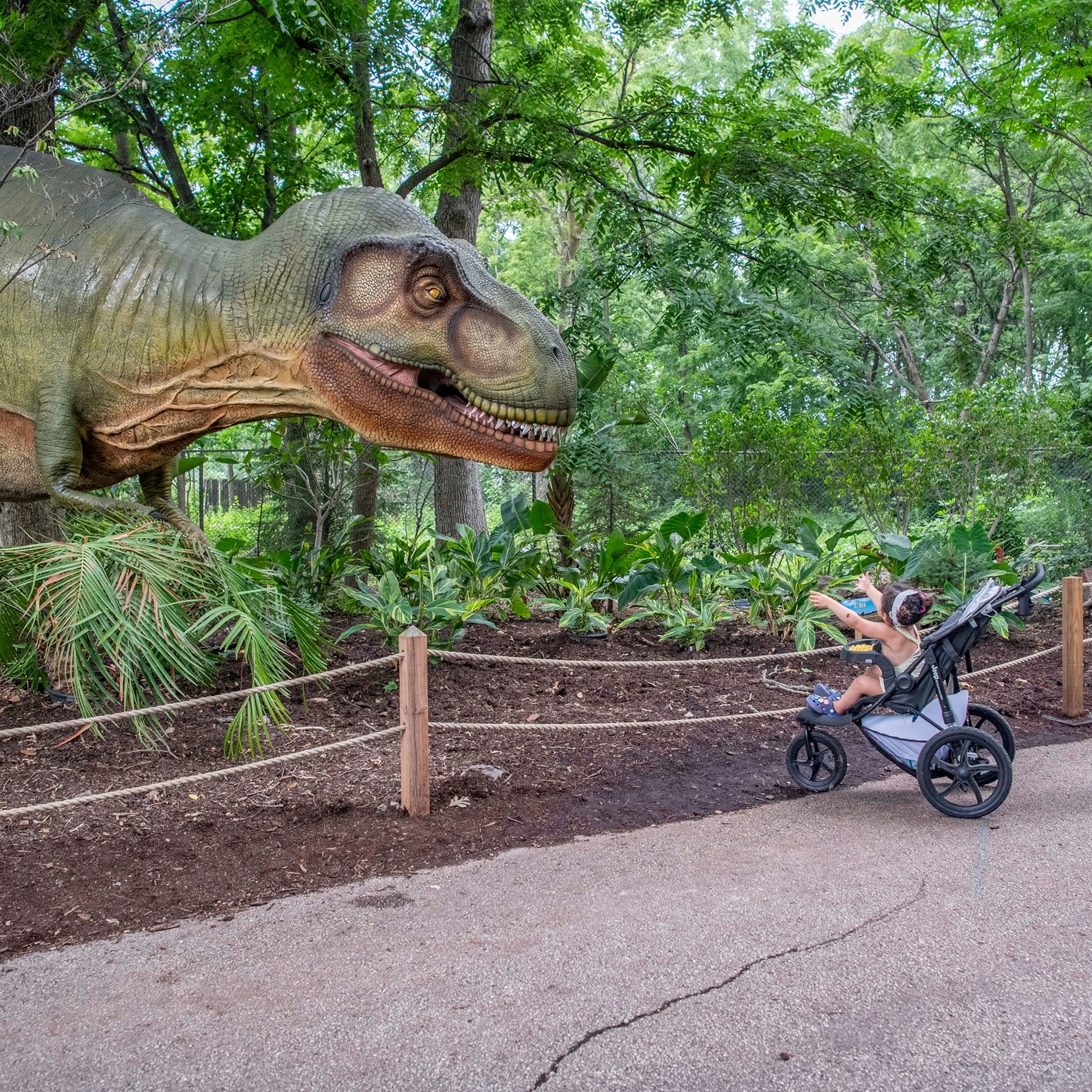
- Introduction to Exploration Dinosaur and its significance
- Overview of key dinosaur species featured, including T. Rex and Triceratops
- Understanding fossil evidence and what it reveals about prehistoric life
- The role of conservation and its connection to modern-day species
- Engaging educational opportunities and experiences provided by Exploration Dinosaur
Exploration Dinosaur is an exciting initiative aimed at immersing participants in the captivating world of dinosaurs. This program offers visitors the chance to examine fossil evidence, learn about different species, and understand the dynamics of prehistoric ecosystems. With a focus on engagement and education, this experience cultivates a deeper appreciation for both ancient life forms and today’s wildlife.
Among the featured species are some of the most recognized dinosaurs, such as the Tyrannosaurus rex and the Triceratops. The T. Rex, often portrayed as the ultimate predator, roamed North America around 68 to 66 million years ago during the late Cretaceous period. Its formidable stature, with powerful jaws and sharp teeth, made it a fearsome hunter. Measuring up to 40 feet in length, the T. Rex had keen senses, possibly including excellent vision, which contributed to its dominance in the prehistoric food chain. Its bone structure shows adaptations suited for rapid movement, suggesting it was an effective predator.
The Triceratops, on the other hand, represents a completely different evolutionary path. This herbivorous dinosaur, characterized by its three distinct facial horns and a large bony frill, is a symbol of strength in the Dinosauria clade. It lived at the same time as the T. Rex, creating a dynamic interplay between predator and prey. Its frill likely served multiple purposes, including defense against predators and possibly display during mating rituals. Triceratops teeth were designed for grinding tough vegetation, indicating its role as a primary herbivore in its ecosystem.
Fossils are the primary means through which paleontologists study these magnificent creatures. Fossils include bones, teeth, skin impressions, and even fossilized excrement, known as coprolites. Each type of fossil provides invaluable information about the behavior and biology of dinosaurs. For instance, the presence of certain teeth types can inform researchers about dietary habits. Studies of coprolites can reveal what kind of plants or animals were present in a dinosaur’s environment. Fossils also help scientists reconstruct ancient ecosystems, illustrating how various species interacted within their habitats.
Digging deeper into the fossil record allows paleontologists to understand extinction events. The end-Cretaceous extinction, which wiped out about 75% of Earth’s species, including the dinosaurs, remains a topic of intense study. Scientific research suggests that a combination of volcanic activity and an asteroid impact led to drastic climate shifts, unfriendly to dinosaurs and many other species. Such findings inform current conservation efforts, as understanding how species have responded to past environmental changes can aid in predicting how modern species might adapt—or not adapt—to climate change.
Conservation is a crucial aspect of connecting the past with the present. While exploring dinosaurs provides insights into life millions of years ago, it also highlights the importance of protecting species today. Many modern animal species face extinction due to habitat loss, climate change, and human activities. By learning about the characteristics and extinction events of dinosaurs, we gain a deeper understanding of biodiversity and the need for sustainable practices.
Exploration Dinosaur actively promotes conservation awareness. Engaging educational programming encourages participants to think critically about ecology and the importance of biodiversity. Interactive exhibits and informative displays provide context regarding modern-day wildlife, fostering an environment where participants can draw parallels between the extinction of dinosaurs and the threats faced by current species.
Visitors participate in hands-on activities, including fossil excavation experiences. These activities allow individuals to experience the excitement of paleontology first-hand. Such engagement sparks curiosity and fosters a connection to both the past and the present. When participants dig for fossils, they learn about geological layers and the historical significance of what they uncover. This process emphasizes the importance of fieldwork in scientific research, illustrating how much we still have to learn from our planet’s history.
The educational opportunities extend beyond just engaging activities. Expert-led discussions offer deeper insights into paleontological methods and the latest research findings. These interactions provide a platform for discussions about the implications of climate change and habitat destruction on both ancient and modern species. Engaging with knowledgeable staff members, participants can ask specific questions, delving into topics such as the anatomy of dinosaurs, fossil formation processes, and contemporary conservation efforts.
Moreover, Exploration Dinosaur ties in community involvement by collaborating with local conservation groups. By participating in community events, individuals can engage in tree-planting initiatives and habitat restoration projects. Such hands-on workshops foster a sense of stewardship among participants, encouraging a commitment to conserving biodiversity and protecting ecosystems.
Among the long-standing partnerships built through initiatives like Exploration Dinosaur is the continual effort to create educational content that resonates with various age groups. Adaptable learning materials cater to children and adults alike. Engaging visuals and compelling narratives encourage understanding of complex concepts about evolution, extinction, and conservation methods.
As visitors traverse the exhibits, they also encounter digital displays that elucidate the ongoing research in paleontology and conservation biology. Infographics and interactive screens provide vital statistics, such as current rates of extinction and the percentage of species at risk. This data underscores the urgency for action and educates participants about the interconnectedness of all life forms.
Exploration Dinosaur not only enhances awareness of prehistoric ecosystems but builds a bridge to contemporary biodiversity issues. Every participant leaves with a greater understanding of how their actions impact the environment. Conservation starts at the individual level; small efforts can contribute to larger environmental advancements. Through educational initiatives, people can be inspired to advocate for sustainable practices in their daily lives.
Understanding the past is essential for shaping a sustainable future. The lessons drawn from the lives of dinosaurs—including their evolutionary adaptations and eventual extinction—serve as vital cautionary tales. As modern species face increasingly dire challenges, collective knowledge developed from paleontological studies becomes indispensable.
The interaction between ancient and modern species reinforces the need for a holistic view of wildlife and habitat conservation. Biodiversity not only protects ecosystems but is also vital for human survival. By learning about historical extinctions, individuals recognize the critical importance of conservation efforts today.
Through Exploration Dinosaur, participants are engaged in a life-long learning process about the importance of protecting our planet’s species. The initiative fosters enthusiasm for wildlife science, motivating individuals to take action to safeguard the environment. This journey into the past lays the groundwork for informed discussions and decisions that hold the potential to shape a healthier, more sustainable world for future generations.
In embarking on this exploration of dinosaurs, participants not only satisfy their curiosity about the behaviors and characteristics of ancient life but become ambassadors for ecological responsibility. Exploration Dinosaur serves as a springboard, propelling individuals to appreciate the past while actively participating in the conservation of the present.
This initiative highlights the interconnectedness of life on Earth, spanning millions of years. By valuing both ancient ecosystems and the present biodiversity, communities can cultivate a culture of environmental stewardship and knowledge. Ultimately, Exploration Dinosaur inspires an enthusiasm for learning that transcends ages and generations, aiming not just to protect our past, but to secure a sustainable future for all life forms.
*****
Source Description
Exploration Dinosaur!
Dig into dinos! Unearth the past and explore prehistoric life including the bones, teeth, and more from mighty dinosaurs like the T. Rex and Triceratops! It’s an exciting adventure to inspire the future and protect the species of today.
Now through Oct. 5th – learn more: https://mkezoo.com/ExplorationDino
