
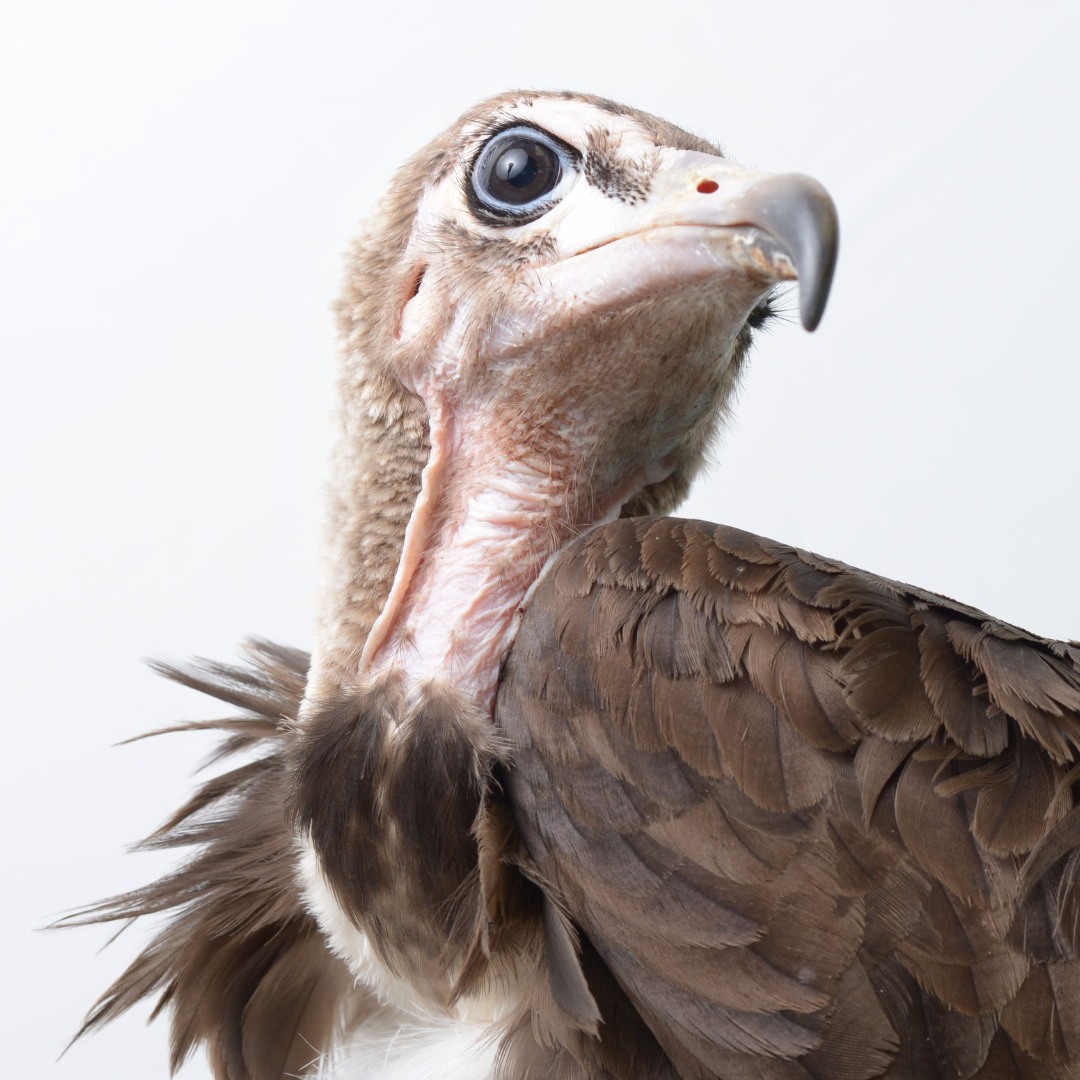
- Vultures are critical to ecosystem health as nature’s clean-up crew.
- Their populations are declining due to various environmental threats.
- International Vulture Awareness Day highlights the need for conservation efforts.
- Vultures play unique roles across different continents.
- Engaging activities at the National Aviary showcase the importance of vultures.
Vultures, often misconceived as unappealing scavengers, fulfill a vital role in maintaining ecosystem health. Their presence in nature ensures that animal carcasses are efficiently disposed of, which helps prevent the spread of diseases. By consuming dead animals, vultures effectively clean up the environment, acting as nature’s clean-up crew. This role is essential not just for wildlife survival but also for human health. By preventing the decay of carcasses, vultures help minimize pathogens that could pose risks to other animals and humans.
Unfortunately, the populations of these birds are declining at an alarming rate. Several factors contribute to their endangerment. Poisoning, both intentional and accidental, takes a significant toll on vulture numbers. Many farmers use poisons to eliminate predators of livestock. When vultures feed on carcasses containing these toxins, they often succumb to the effects. Habitat loss due to urban development and agriculture also threatens vulture populations. As their natural habitats diminish, so does their capacity to thrive. Additionally, hunting and trapping for traditional medicine in some cultures have also contributed to their decline. Understanding these factors is crucial for informing conservation strategies.
International Vulture Awareness Day, celebrated annually, serves as an opportunity to educate the public about these remarkable birds and the issues they face. Specific initiatives aim to raise awareness about the critical roles of vultures and advocate for their protection. This day sheds light on the connection between vultures and overall ecosystem health. It highlights the importance of community involvement in protecting these birds. Awareness campaigns educate people on the misconceptions surrounding vultures, often deemed as nasty or dirty, and reframe their image as essential components of nature.
Vultures span every continent except Antarctica and Australia, illustrating their hardiness and adaptability. These birds have evolved to fill unique ecological niches, making them essential to their respective environments. For instance, the African white-backed vulture primarily feeds on large animal carcasses. In contrast, the California condor, found in North America, relies mostly on discovering smaller mammal remains. Whereas some vultures prefer open spaces like savannas, others thrive in mountainous regions or wooded areas. This adaptability is why vultures are found across diverse geographic locations, each species contributing uniquely to its ecosystem.
To celebrate International Vulture Awareness Day, the National Aviary offers educational events to foster understanding and appreciation of these birds. Scheduled for tomorrow from 12 to 2 PM, visitors can explore themed scavenger hunts modeled after vultures’ natural behaviors. These activities engage participants in a fun and interactive way, allowing them to glean insights about vultures and their habitats. Additionally, the Aviary will host expert talks focused on vulture conservation and their ecological significance. Engaging with specialists provides firsthand knowledge about ongoing efforts to protect vultures and the challenges they face.
Participation in such events is critical for raising awareness about the plight of vultures. Programs like this encourage a deeper understanding of wildlife conservation. It underscores the importance of collaborative efforts in safeguarding these birds for future generations. By visiting the National Aviary, participants can learn more about vulture biology and their role in the ecosystem. Visitors can not only enjoy the immersive experience but also gain insights into how they can contribute to conservation efforts.
Vultures, often misunderstood, are an essential element of their ecosystems. Their specialized diets make them particularly well-suited for scavenging. Unlike many other birds, vultures have a highly developed sense of smell, allowing them to locate carrion from great distances. They have unique adaptations, including strong digestive systems capable of breaking down harmful bacteria found in decaying flesh. This quality sets them apart in the avian world and highlights their evolutionary significance.
The decline of vulture populations has broader implications for biodiversity. These birds hold key roles that affect various species within their ecosystems. When vultures decline, carcasses remain in the environment for longer periods, leading to increased populations of parasites and diseases. Other scavengers may not have the same adaptations to consume harmful pathogens, resulting in unbalanced ecosystems. Therefore, the conservation of vultures is not just about preserving a species; it is about maintaining the overall health of our environment.
Advocacy for vulture conservation has gained momentum over recent years. Various organizations are leading efforts to rehabilitate populations and improve awareness of the challenges vultures face. Collaboration among governments, conservation groups, and communities is vital in establishing protected areas and regulations against the use of harmful pesticides and poisons. Public education campaigns play a critical role in changing perceptions of vultures, educating people to recognize their value rather than viewing them as nuisances.
The role of technology in vulture conservation is also noteworthy. Satellite tracking of vultures helps researchers gather valuable data regarding their migratory patterns and habitat use. This information is essential in developing effective conservation strategies. Understanding where vultures nest, feed, and migrate informs habitat protection efforts. By monitoring their movements, scientists can identify threats and respond more effectively.
Vultures have cultural significance in various regions. Different societies view them through diverse lenses, ranging from spiritual symbols to food sources. Understanding these perspectives is crucial in successful conservation initiatives. When conservation efforts incorporate cultural elements, they can resonate more deeply with communities. Locating common ground between wildlife protection and local customs fosters a deeper connection and encourages cooperative efforts in safeguarding these birds.
International Vulture Awareness Day serves as a reminder of the importance of vultures in our ecosystems. By participating in events and spreading awareness, individuals can play a part in their conservation. Utilizing social media can amplify messages about vulture protection and foster community engagement. Sharing information about vulture biology, threats, and conservation efforts helps demystify these birds and encourages wider public involvement.
In summary, vultures are more than mere scavengers; they are key players in maintaining the health of ecosystems around the world. Their decline affects not just populations of other wildlife but also human communities. It is crucial to spread awareness of their value and the threats they face, particularly on days like International Vulture Awareness Day. Educational events and conversations help cultivate a deeper understanding and appreciation for these vital creatures.
The upcoming celebration at the National Aviary is an excellent opportunity to engage with the community. Visitors are encouraged to join the themed activities and expert talks, which are designed to enlighten and inspire action toward vulture conservation. As we recognize the importance of vultures, we can take steps to protect these remarkable birds and ensure their vital roles in ecosystems continue for generations to come.
*****
Source Description
Oh, hey, tomorrow is International Vulture Awareness Day!
vultures are found on every continent except for Antarctica and Australia? Despite their widespread distribution, their populations are rapidly declining in the wild.
Visit the National Aviary TOMORROW between 12 and 2 pm to learn more about nature’s clean-up crew. Fly through the Aviary like a vulture on a themed scavenger hunt AND attend two special, one-day-only expert talks!
…so “vulture” you waiting for? Plan your visit: https://www.aviary.org/event/international-vulture-awareness-day/
