
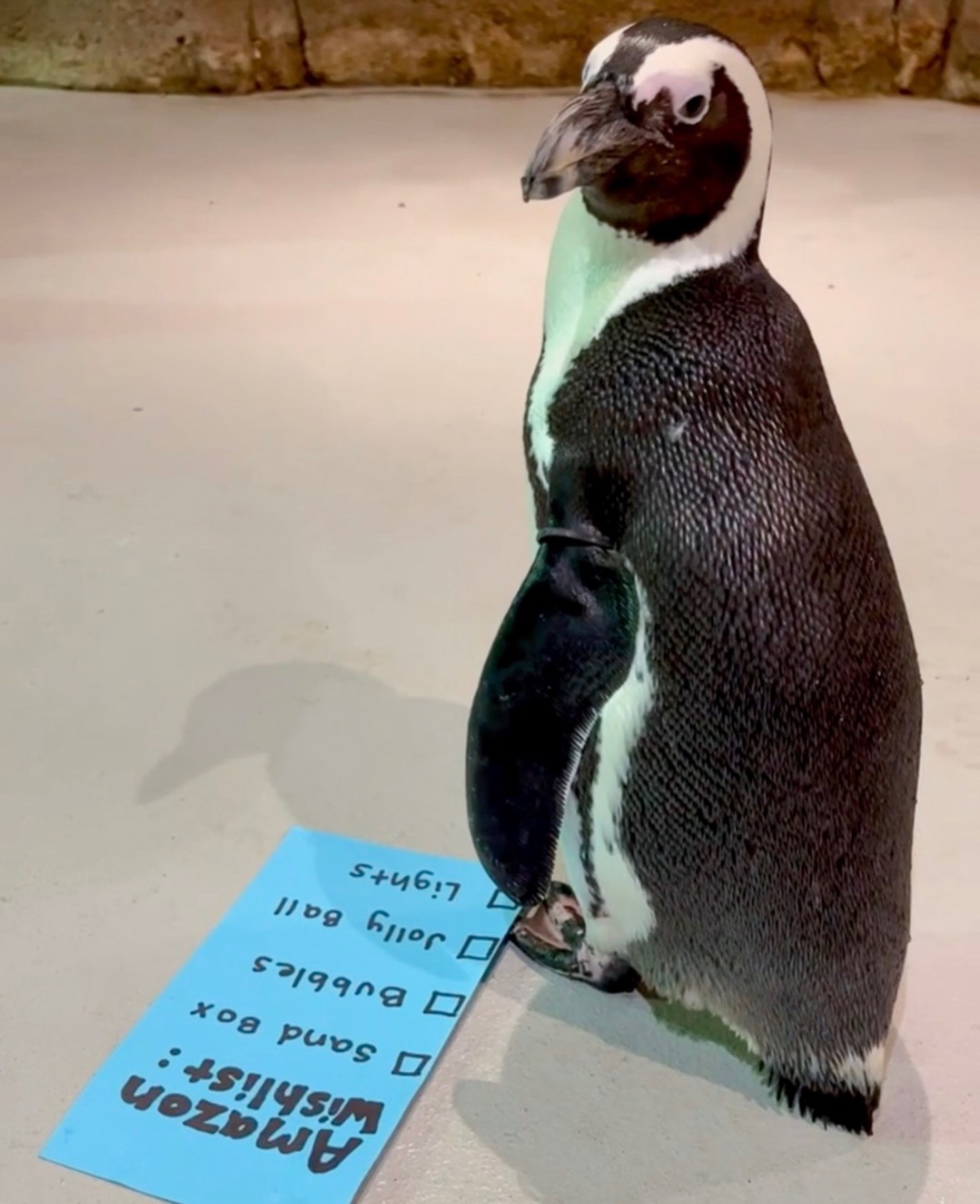
- The importance of enrichment for zoo animals like penguins and otters.
- Highlighting the benefits of specific enrichment items included in the Amazon Wishlist.
- Understanding animal behavior and mental stimulation in captivity.
- The role of public participation in wildlife conservation efforts.
- How enrichment toys positively impact the health and well-being of marine species.
Enrichment is crucial for the well-being of animals in captivity. As you watch penguins or otters immerse themselves in play, it becomes apparent how essential these activities are for their mental and physical health. Enrichment toys stimulate their natural behaviors, enabling them to feel less confined. Animals in zoos and aquariums often face challenges that their wild counterparts do not. They may become bored or stressed due to the limitations of a controlled environment. For this reason, providing enrichment is a priority for zoologists and caregivers alike.
Among the different species, penguins and otters exhibit fascinating behaviors that can be enhanced through thoughtful enrichment. Both sets of animals engage in play and exploration, vital for their cognitive function. For instance, sea otters use tools in the wild, such as rocks to crack open shellfish. Enrichment activities that mimic these behaviors are effective. When they receive a new toy that requires problem-solving, the otters channel their natural instincts, reducing anxiety and promoting overall wellness.
The items on the Amazon Wishlist are carefully selected to serve multiple purposes. Among them are various enrichment toys designed specifically for marine animals. Toys that float or can be used underwater provide a challenge for otters and penguins alike. These items encourage physical activity, which is essential for maintaining muscle tone and health. For instance, a floating toy can stimulate playful chasing behavior, reflecting how they might interact with objects in their natural habitats. It’s not just about entertainment; it is fundamentally about engagement and stimulation.
Food prep tools included in the Wishlist also introduce enrichment through feeding practices. Some animals, like otters, are natural foragers. Mimicking this behavior through feeding puzzles or hidden treats becomes an interactive experience. This approach challenges animals to think critically while they search for food, promoting mental engagement. This not only enhances their feeding experience but also allows zookeepers to monitor dietary habits more effectively.
Cozy towels and blankets may not seem like enrichment items at first glance, but they serve as essential comfort items. For animals that experience stress or require additional warmth, these items offer a safe haven. Penguins, for instance, may utilize towels for nesting or resting, reflecting their behaviors in the wild. When they feel secure in their environment, they are likely to exhibit more natural behaviors, which is a goal of modern zoo management.
Understanding animal behavior is key when discussing enrichment in captivity. Each species has its nuances, and what works for one may not work for another. Research indicates that animals that are mentally stimulated through various activities exhibit fewer signs of stress and display healthier social interactions. For example, a group of otters playing with a new toy is likely to strengthen social bonds, which benefits their overall well-being.
Public participation plays an equally important role in conservation efforts. The Amazon Wishlist serves not only to gather necessary supplies but also to educate the public. By contributing to the Wishlist, visitors become actively involved in the animals’ care. This engagement creates a deeper connection between the public and wildlife, promoting empathy and understanding. It encourages visitors to be advocates for animal welfare, extending their support beyond the walls of the aquarium.
Wildlife conservation extends far beyond the walls of the aquarium. Zoos and aquariums are on the front lines of species conservation, and engaging the public enhances these efforts. With the rising threats to marine ecosystems due to climate change and pollution, every little bit helps. Providing enrichment items is just one part of a larger puzzle in wildlife preservation.
Each species, including those you may encounter at the aquarium, has specific needs that require ongoing research and implementation. The enhancement of their environment ultimately contributes to the success of conservation programs. Effective enrichment can improve reproductive success rates, which is essential for species that are endangered or threatened.
In addition, education plays a vital role in how the public perceives the challenges these animals face. By showcasing how enrichment items contribute to their quality of life, visitors can appreciate the efforts of caregivers and the necessity of conservation work. This understanding fosters a community of advocates who can support wildlife efforts in various ways, from volunteering to spreading awareness.
When visiting the aquarium, the joy of spotting animals like penguins or otters interacting with enrichment toys serves as a stirring reminder of why these efforts are crucial. It highlights the important link between animal care, public involvement, and conservation. Each enrichment item becomes more than a plaything; it is a tool that promotes a better life for animals in our care.
Moreover, exploring the emotional and psychological well-being of animals fosters a more holistic understanding of their needs. Animals are sentient beings with complex behaviors. They experience emotions such as joy, curiosity, and even stress. Recognizing these traits encourages facilities to develop comprehensive care strategies, which go beyond basic welfare.
Researching animal behavior in captivity also leads to innovations in how zoos manage their populations. By providing a variety of enrichment options, zoologists can observe responses and adjust accordingly. This adaptability fosters a dynamic setting where both visitors and animals engage in a mutually beneficial relationship.
Engaging with animals through observations in environments where they are well cared for can also propel conservation advocacy. When public awareness grows, so too does support for initiatives aimed at preserving not only the lives of animals in managed care but also those in the wild. This has tangible effects on how conservation funding is allocated.
Many facilities emphasize their commitment to conservation by integrating educational programs. These programs help demystify the reasons for their efforts and create a link between the animals and their habitats. As visits to aquariums increase, so does the opportunity for the public to learn about the importance of ecological balance and the advantages of sustainable practices.
Incorporating technology into conservation also holds promise. Virtual experiences and educational platforms allow for global participation in wildlife issues. People from diverse backgrounds can access valuable resources that contribute to their understanding of marine ecosystems. This wider engagement can lead to broader support for species protection efforts. Thus, enrichment not only serves immediate goals related to animal welfare but can also catalyze larger movements for conservation.
Ultimately, enjoying a visit to the aquarium while witnessing animals like penguins and otters engaging with enrichment toys that you helped obtain is a unique experience. It embodies a collective effort to improve lives while fostering environmental stewardship. Every contribution, whether through toys, funds, or attention, helps to build a future where animals thrive in both captivity and the wild.
As zoos and aquariums continue to champion innovative care strategies, public involvement remains crucial. By understanding the complexity of animal needs and the necessity of enrichment, we can become more effective advocates for wildlife. Engaging the community at this level not only elevates animal welfare standards but also reinforces the collective responsibility we share towards preserving biodiversity for generations to come.
*****
Source Description
Imagine visiting the aquarium and spotting penguins or otters enjoying an enrichment toy that YOU picked out! 🐧🦦 Our team put together an Amazon Wishlist packed with items like enrichment toys, food prep tools, cozy towels, blankets, and more. Each item includes details about which animals will benefit and why it’s the perfect match for their species!
🔗 Want to help make a difference? Check out the Amazon Wishlist through the link in our bio!
