
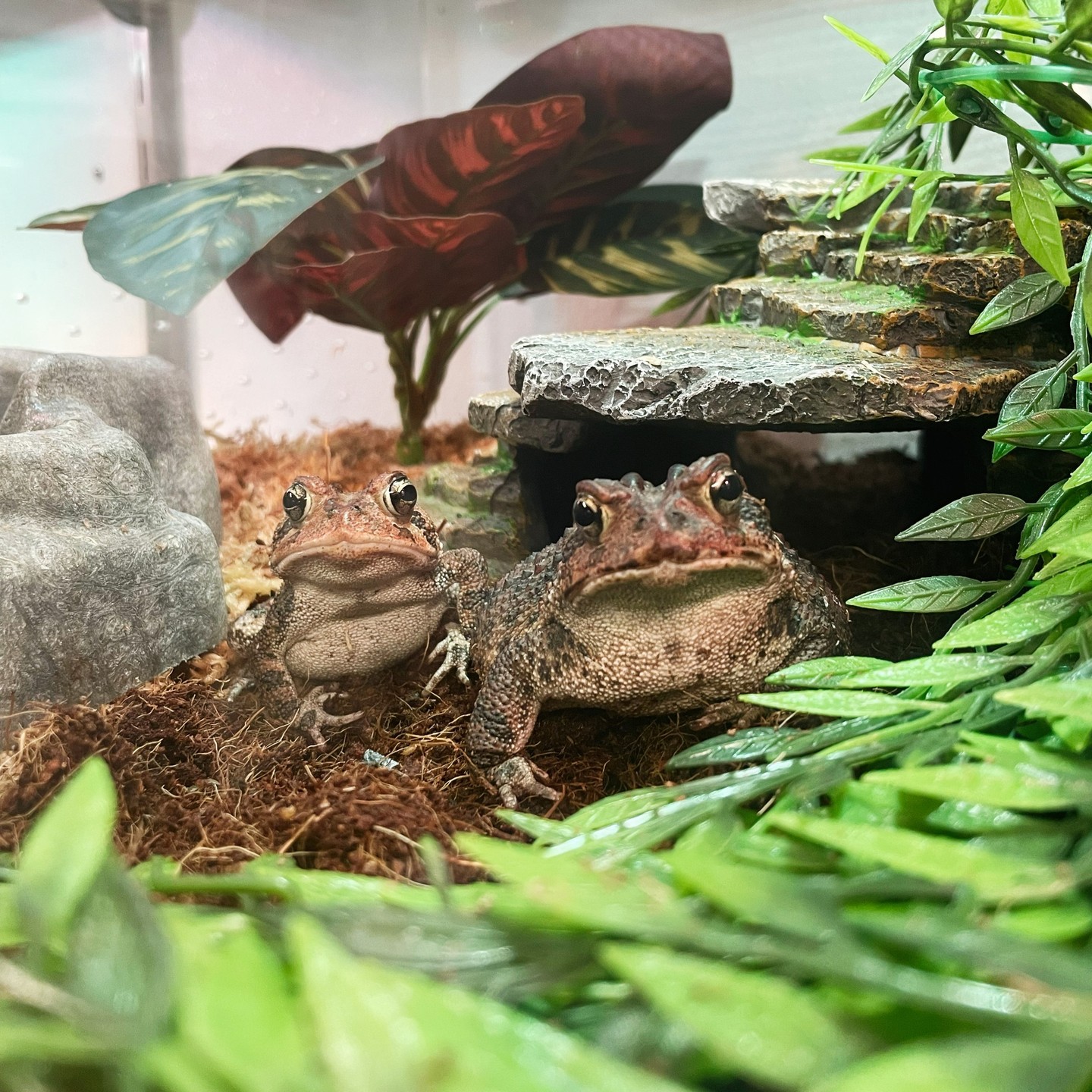
- The ecological importance of lily pads and frog habitats
- Trends in the lily pad real estate market
- Conservation efforts for amphibians and aquatic ecosystems
- Human impact on lily pad ecosystems
- The role of zoos in wildlife conservation and education
The ecological importance of lily pads and frog habitats cannot be overstated. These water plants serve a vital role in freshwater ecosystems. They provide shelter, breeding grounds, and food for various aquatic species, including frogs, fish, and insects. The broad leaves of lily pads create a shaded area in the water, which helps regulate temperature and provides a safe environment for amphibians to thrive. Frogs, in particular, rely on these habitats for their complex life cycle, which often includes transitioning from aquatic to terrestrial environments. This habitat diversity is crucial not only for frogs but also for the broader community of species that share these wetland ecosystems.
The trends in the lily pad real estate market are noteworthy as well. Over recent years, there has been an increasing interest in sustainable landscaping, and lily pads have gained popularity in garden design and water features. Natural ponds and water gardens often feature these captivating plants because of their shade, beauty, and ecological benefits. Real estate prices in areas that prioritize natural water features, including lily pads, have been on the rise. Homebuyers often seek properties that offer a direct connection to nature, making the presence of lily pads a valuable selling point—across urban and suburban landscapes, the demand for properties that feature such natural amenities is impacting market dynamics.
Conservation efforts for amphibians, including frogs, have become essential in light of the threats they face. Habitat loss, pollution, and climate change significantly endanger their populations worldwide. Conservationists are working to restore wetlands and protect existing lily pad habitats to preserve these vital ecosystems. Efforts include creating protected areas, controlling invasive species that threaten native water plants, and engaging communities in conservation practices such as clean-up events and educational initiatives. Organizations are focused on ensuring that ecosystems remain intact and functioning. The survival of many amphibian species hinges on the health of these habitats, which makes conservation efforts critical.
Human impact on lily pad ecosystems is profound. Urban development, agriculture, and environmental pollution introduce significant stressors to these aquatic environments. For instance, runoff from fertilizers and pesticides can lead to eutrophication, a process that causes excess nutrient buildup in water bodies, leading to harmful algal blooms. Such blooms can choke aquatic life, including the plants themselves. Moreover, the increased human activity in and around wetlands often leads to habitat destruction. As people encroach on these spaces for recreational use or development, the delicate balance that supports the moonlit croaks and jumps of frogs diminishes greatly.
The role of zoos in wildlife conservation and education plays a crucial part in raising awareness about the importance of preserving amphibian habitats like those featuring lily pads. Many accredited zoos engage in initiatives that promote the conservation of frogs and their ecosystems through breeding programs, habitat restoration projects, and community education. Zoos often serve as a bridge between animal species and the public, creating platforms to advocate for environmental stewardship. Through exhibits and educational events, zoos can disseminate information about the critical role frogs and lily pads play in our ecosystems, helping to foster a greater appreciation for these often-overlooked inhabitants of freshwater systems.
Amphibians are considered bioindicators, meaning their health reflects that of the environment. Monitoring frog populations can reveal information about the overall state of the ecosystem. Healthy frogs often indicate a balanced, thriving habitat, while declining populations can point to significant environmental issues. This connection provides an important rationale for focusing efforts on protecting lily pad environments.
A closer look at conservation strategies reveals a multifaceted approach. Breeding programs not only help restore local populations but also facilitate genetic diversity. Educational programs targeting schools and community organizations encourage active participation in local conservation efforts. By engaging volunteers in clean-up events or habitat restoration projects, communities can positively influence the freshwater ecosystems in their area.
Looking into the future, the coalition between real estate development and ecological conservation is imperative. As urban areas expand, integrating natural features into architectural plans will become increasingly necessary. Developers are beginning to recognize the value of incorporating scenic water features adorned with lilies into their projects. This trend not only helps to protect the environment but also provides mental and physical health benefits for the community. Nature-inspired designs cultivate a sense of tranquility and connection to the environment, enhancing overall quality of life.
The intersection of market trends and environmental health offers a dynamic opportunity for collaboration among conservationists, real estate professionals, and community members. This unified approach can lead to innovative strategies that promote both economic growth and environmental sustainability. Through partnerships, shared resources can be allocated to initiatives that focus on preserving water quality, restoring habitats, and raising public awareness.
Moreover, engaging children and young adults in amphibian education fosters a sense of responsibility and connection to their local ecosystems. Schools can incorporate outdoor learning experiences that involve observing and studying lily pads and frogs in their natural habitats. By promoting citizen science projects, students can contribute to real-world research while cultivating an appreciation for biodiversity.
Amphibian populations are declining at an alarming rate, and immediate action is needed. Climate change, habitat destruction, and pollution threaten their survival, and these issues must be addressed collectively. Efforts to reduce carbon emissions, implement sustainable agricultural practices, and increase awareness regarding water conservation can positively impact these fragile ecosystems.
The future of lily pads and the frogs that depend on them hinges on our collective actions today. Encouraging community gardens with water features or planting native vegetation around local water bodies are examples of initiatives that can restore ecological balance. Implementing policies that protect wetland habitats and incentivize sustainable development will also help safeguard these ecosystems for future generations.
Understanding the significance of lily pads extends beyond their aesthetic appeal. They are critical components of healthy freshwater ecosystems, impacting a host of species and delivering essential ecological services. The time taken to explore the fascinating interplay between lily pads and amphibians is invaluable for appreciating the complexity of life in these aquatic environments.
Engagement through education is essential. By working with schools, community organizations, and local governments to promote frog-friendly initiatives, we can actively shape the future of these ecosystems. Recognizing the importance of lily pads—often overlooked in the broader discussion about biodiversity—will strengthen conservation efforts.
Realizing the vision of thriving lily pad ecosystems requires collaborative action. From conservationists and zoos to developers and local communities, everyone has a role to play in this commitment. As we move forward, the story of frogs and their lily pad habitats can inspire current and future generations to advocate for a more sustainable planet. By acknowledging our mutual dependence on healthy ecosystems, together we can make strides toward ensuring that these vital habitats endure.
In many ways, the story of lily pads and the frogs they support is a testament to the delicate balance of nature. By crafting a dialogue between various stakeholders, we not only enrich our understanding of these ecosystems but also affirm our responsibility to protect them. The enchanting relationships forged between species remind us that every small effort counts in conserving these vital habitats. The future of lily pads and their residents demands attention, action, and unwavering commitment from all community members.
*****
Source Description
🐸 “We’re not saying we’re a power couple… but we did just conquer the lily pad real estate market.” 🌿
