
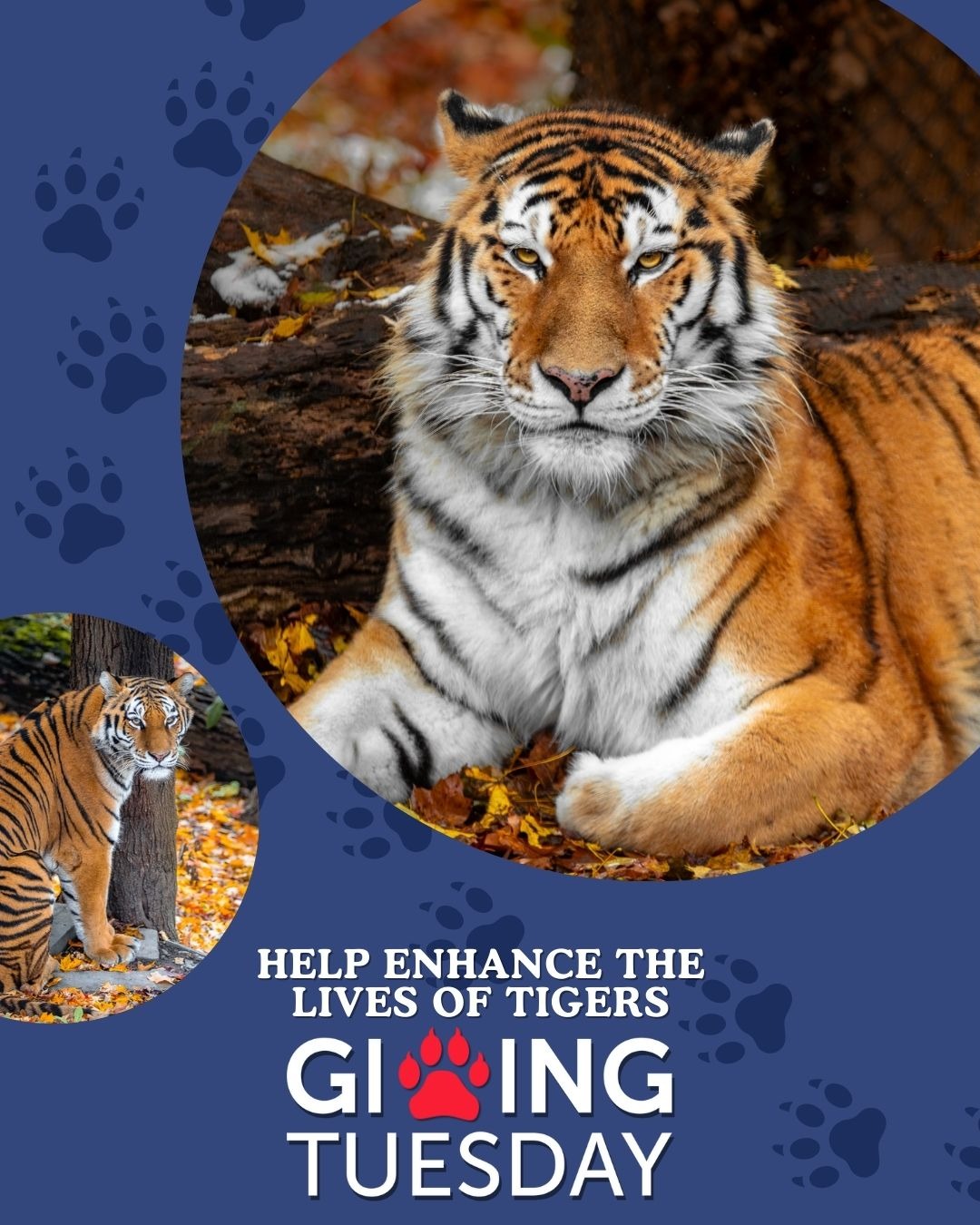
- The critical status of the Amur tiger and its habitat
- The role of AZA-accredited zoos in wildlife conservation
- The importance of animal care, enrichment, and breeding programs
- The specifics of redesigning the tiger pool for better animal welfare
- How donations directly impact the lives of tigers at the Rosamond Gifford Zoo
The Amur tiger, one of the world’s most critically endangered big cats, faces numerous threats that jeopardize its survival. Native to the Russian Far East and parts of China, the Amur tiger is distinguished by its thick fur and pale, orange coat, making it uniquely suited for its cold environment. However, habitat loss, poaching, and dwindling prey have pushed its population to the brink. Conservationists estimate that fewer than 500 individuals remain in the wild.
Efforts to protect this magnificent creature and its habitat are crucial. The Rosamond Gifford Zoo proudly holds accreditation from the Association of Zoos and Aquariums (AZA) and actively participates in the Species Survival Plan (SSP) aimed at safeguarding the Amur tiger. The SSP is a collaborative program designed to manage and monitor endangered species through breeding, research, and education. By participating in this initiative, the Rosamond Gifford Zoo contributes essential resources to bolster the Amur tiger population while raising awareness about the species’ perilous status.
Animal care and enrichment are paramount in a zoo setting. Healthy living conditions foster not only physical well-being but also psychological health in tigers. At the Rosamond Gifford Zoo, dedicated teams utilize a variety of techniques to enrich the lives of the animals under their care. This may include the introduction of novel stimuli in their environment or forms of social interaction that mimic the tigers’ natural behaviors. Each aspect of husbandry is vital, especially as the zoo considers future breeding opportunities, which are essential for increasing gene diversity in a dwindling population.
One of the primary areas of focus for improving the welfare of the Amur tigers at the zoo is the redesign of the tiger pool. The existing pool serves its purpose; however, it lacks the depth and dynamism necessary for optimal exercise and enrichment. The newly designed pool will reflect the natural water bodies found in the Amur tiger’s habitat, facilitating better physical activity and interaction among the tigers. By developing these deeper, more engaging environments, the zoo enhances not only the tigers’ daily movements but also their breeding experiences. A stimulating environment plays a crucial role in encouraging natural behaviors, which are essential for successful reproduction.
Additionally, the enhancement of the tiger pool goes beyond aesthetic benefits. It symbolizes a tangible commitment to animal welfare and conservation. The redesigned pool will include features such as varying depths, water currents, and areas for climbing and resting. These characteristics allow tigers to exhibit behaviors such as swimming and playing. This kind of engagement is essential for their mental stimulation and helps prevent stress-related behaviors. A focus on creating a naturalistic environment promotes healthy social interactions and increases the likelihood of future cubs being born in captivity.
The role of public donations in this endeavor cannot be overstated. Financial contributions directly facilitate these upgrades and enhancements, allowing the zoo to allocate resources effectively. Every dollar donated contributes toward improving the tigers’ living conditions and supports the zoo’s broader conservation efforts. The goal of enriching the lives of the current tiger residents, Metis and Zeya, and their future offspring is a shared mission that extends beyond the confines of the zoo. Each contribution is an investment in a brighter future for this critically endangered species.
Moreover, your involvement has the power to spread awareness about the importance of protecting wildlife and their habitats. By sharing knowledge about the Amur tiger’s plight and the efforts being made to save them, patrons can ignite a passion for conservation within their communities. Each visit to the zoo becomes an opportunity to educate others about the role of zoos in species preservation and the importance of habitat conservation.
The Amur tiger is not just a symbol of wildlife conservation; it represents the importance of biodiversity in our ecosystem. Key predators like the Amur tiger serve as indicators of the overall health of their habitats. Protecting this species means taking decisive action to conserve the forests they inhabit and the prey species they rely on. Thus, each effort made at the Rosamond Gifford Zoo echoes far beyond its borders.
As we look to the future, enhancing the living conditions and resources for Metis, Zeya, and their future cubs is more than a goal; it reflects a commitment to fostering a thriving community of tigers within our care. By upgrading facilities, we are not just observing; we are actively participating in the regeneration of a species that is on the brink of extinction. This exemplary work allows the zoo to serve as a beacon of hope in the conservation landscape, educating thousands about the need to protect one of nature’s most magnificent creatures.
At a deeper level, the importance of zoos, especially AZA-accredited ones like the Rosamond Gifford Zoo, extends to their roles as research institutions. Many zoos are at the forefront of studying animal behavior, genetics, and health management. This research contributes not only to the captive animals in their care but also informs conservation strategies for wild populations. Knowledge gained from breeding programs and healthcare practices helps improve wildlife management in natural settings, thus benefiting the Amur tiger and other endangered species globally.
Investment in research, habitat restoration, and community education is essential for achieving long-term success in wildlife conservation. The plight of the Amur tiger serves as a reminder of our responsibility as stewards of the environment. Each action taken toward conservation leads us closer to an equilibrium where both wildlife and human populations can coexist harmoniously.
The Rosamond Gifford Zoo highlights the multifaceted approach necessary for addressing the challenges of wildlife conservation. Each aspect, from habitat enrichment to public engagement, is integral to understanding and supporting endangered species like the Amur tiger. Through collaborations with international conservation agencies, targeted public outreach, and innovative animal care practices, the zoo embodies a model of modern wildlife conservation.
As concerns about biodiversity loss escalate, the Amur tiger serves as a litmus test for our collective efforts to protect vulnerable species. Encouraging community support through donations, education, and advocacy is vital in these endeavors. Together, we can inspire a deeper understanding of wildlife conservation issues and foster a culture that prioritizes sustainable practices.
Every contribution, no matter how small, enhances the living conditions for the Amur tigers at the Rosamond Gifford Zoo and represents a step towards a more sustainable future for all wildlife. By investing in the welfare of these tigers, we are nurturing the next generation of wildlife ambassadors, who will inspire future conservationists. Through education and engagement, we can build a legacy of commitment to wildlife protection for generations to come.
*****
Source Description
This help us protect and care for one of the world’s most critically endangered big cats – the Amur tiger: rosamondgiffordzoo.org/donatenow (link in bio)
As an AZA-accredited zoo, we are proud to participate in the Species Survival Plan for this keystone species, and as we look to the future, including the potential for tiger cubs to help bolster their population, we are dedicated to ensuring that their habitat meets the highest standards of animal care, welfare, and enrichment.
One of the most critical needs is redesigning and upgrading the tiger pool. The redesigned pools will be deeper, more dynamic, and designed to reflect the tigers’ natural environment, providing better exercise, enrichment, and breeding support for this endangered species.
Your gift—of any amount—will directly enhance the lives of Metis, Zeya, and their future cubs, ensuring they have a safe, enriching, and naturalistic home that will inspire generations of zoo guests to care about wildlife and conservation. Link in bio.
