
- Understanding Sloth Anatomy and Physiology
- Sloth Behavior and Adaptations
- Sloth Role in Ecosystems
- Conservation Challenges and Efforts
- Sloth Strength in Zoo Management and Education
Sloths are fascinating creatures that captivate the curiosity of scientists and nature enthusiasts alike. They are unique for their slow movement and distinct lifestyle. To appreciate their role in wildlife and conservation, let’s delve into the different aspects of sloth strength and adaptation.
Understanding Sloth Anatomy and Physiology
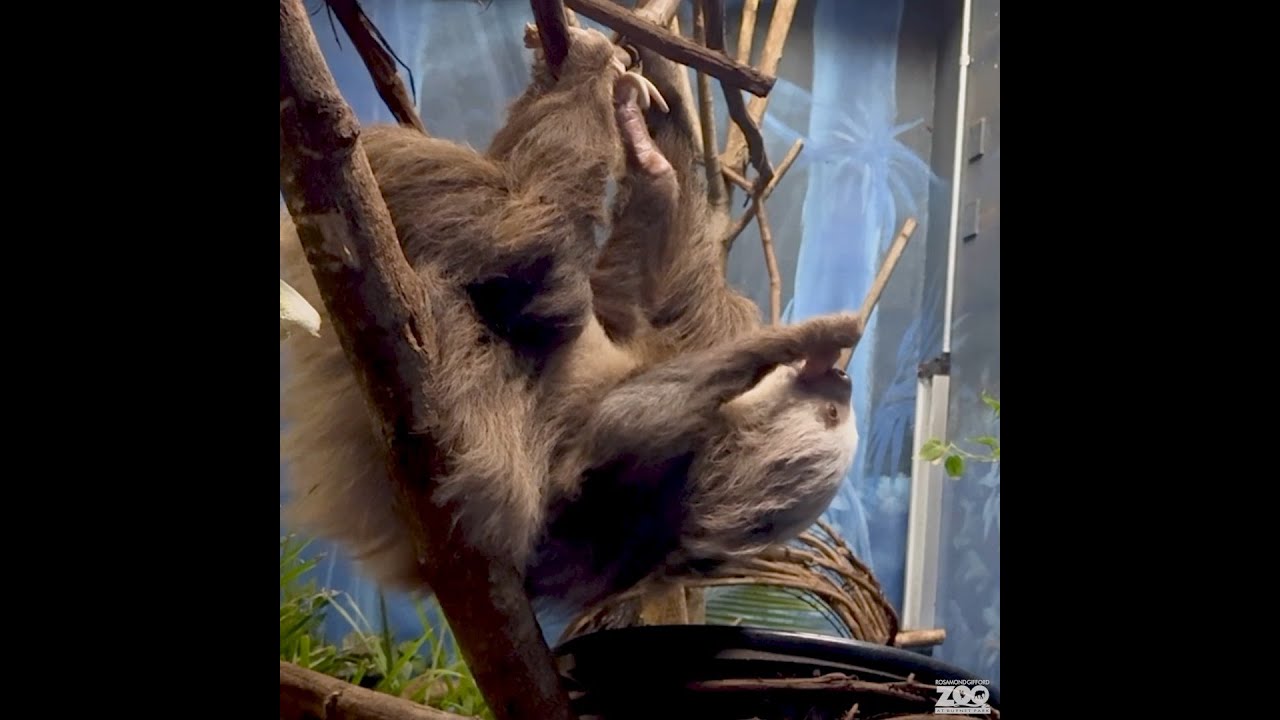
Sloths have unique anatomical features that contribute to their strength and survival. Their muscular structure, though appearing delicate, is perfectly adapted for a life spent predominantly in trees. Sloths possess long, curved claws that allow them to grip branches securely. Their limbs are strong, supporting their entire body weight as they hang or move through the canopy.
The slowness of sloths is not due to weakness but rather an efficient metabolic adaptation. Their low metabolic rate reduces the need for food, allowing them to survive on a diet primarily comprising leaves. This low-energy strategy decreases their visibility to predators since they resemble a still part of the tree. Sloths also have a specialized stomach with multiple compartments to break down tough plant material over extended periods.
Sloth Behavior and Adaptations
Sloths exhibit behavior and adaptations that are crucial for their survival. They are primarily solitary creatures with keen senses to detect predators and other threats. Their slow, deliberate movements minimize noise, further aiding in camouflage. Sloths spend much of their lives hanging upside down, which is supported by an anatomical adaptation: their organs are anchored in place to prevent them from pressing against their lungs.
Sloths are also remarkable swimmers. In flooded forests, swimming is sometimes necessary, and sloths are surprisingly adept in water, using a purposeful and efficient stroke to cross rivers and streams.
Sloth Role in Ecosystems
Sloths play a significant role in their ecosystem. They contribute to biodiversity by serving as both predators and prey. Their diet helps control plant growth and promotes forest diversity. Furthermore, sloths provide habitats for various organisms. Their fur, often inhabited by insects and algae, forms a micro-ecosystem. The algae not only provide camouflage but also offer nourishment to some of these organisms.
Conservation Challenges and Efforts
Sloths face several conservation challenges, including habitat destruction, poaching, and the illegal pet trade. Deforestation remains a significant threat as it fragments the environments they depend on. Conservationists are working to protect these habitats through reforestation and the creation of wildlife corridors.
Moreover, educational programs in zoos and wildlife parks play a vital role in raising awareness about sloth conservation. By showcasing their unique traits and ecological importance, these programs encourage people to support conservation efforts.
Sloth Strength in Zoo Management and Education
In zoos, the well-being of sloths is a priority. Their enclosures are designed to mimic their natural habitats, complete with suitable climbing structures and vegetation. Zoo management aims to provide environments that promote natural behaviors and social interactions where applicable.
Educational initiatives often highlight the strength and adaptability of sloths. Visitors learn about their behaviors, anatomy, and the conservation challenges they face. This education fosters a deeper understanding and appreciation of sloths, encouraging conservation participation.
The strength of sloths, illustrated through their anatomy, behavior, and ecological role, highlights their importance in the natural world. By understanding these aspects, we can better protect and conserve these intriguing creatures, ensuring that they continue to thrive in their natural habitats. Their strength is not only in muscle but in their delicate balance with the ecosystems they inhabit.
*****
Source Description
Bro, do you even lift? For Hoffman’s two-toed sloths, the answer is a resounding YES! Sloths’ unique muscular arrangements allow them to support their bodyweight as they hang onto tree branches. The muscles used to achieve a pulling motion are much more powerful than those used to achieve a pushing motion. Additionally, the muscle fibers in their hands are arranged at a slanted angle that bolsters the force of their grip strength, allowing sloths to keep a tight hold on tree branches.
#Syracusezoo #Syracuse #CNY #OnondagaCounty #OnondagaCountyParks #Sloth
