
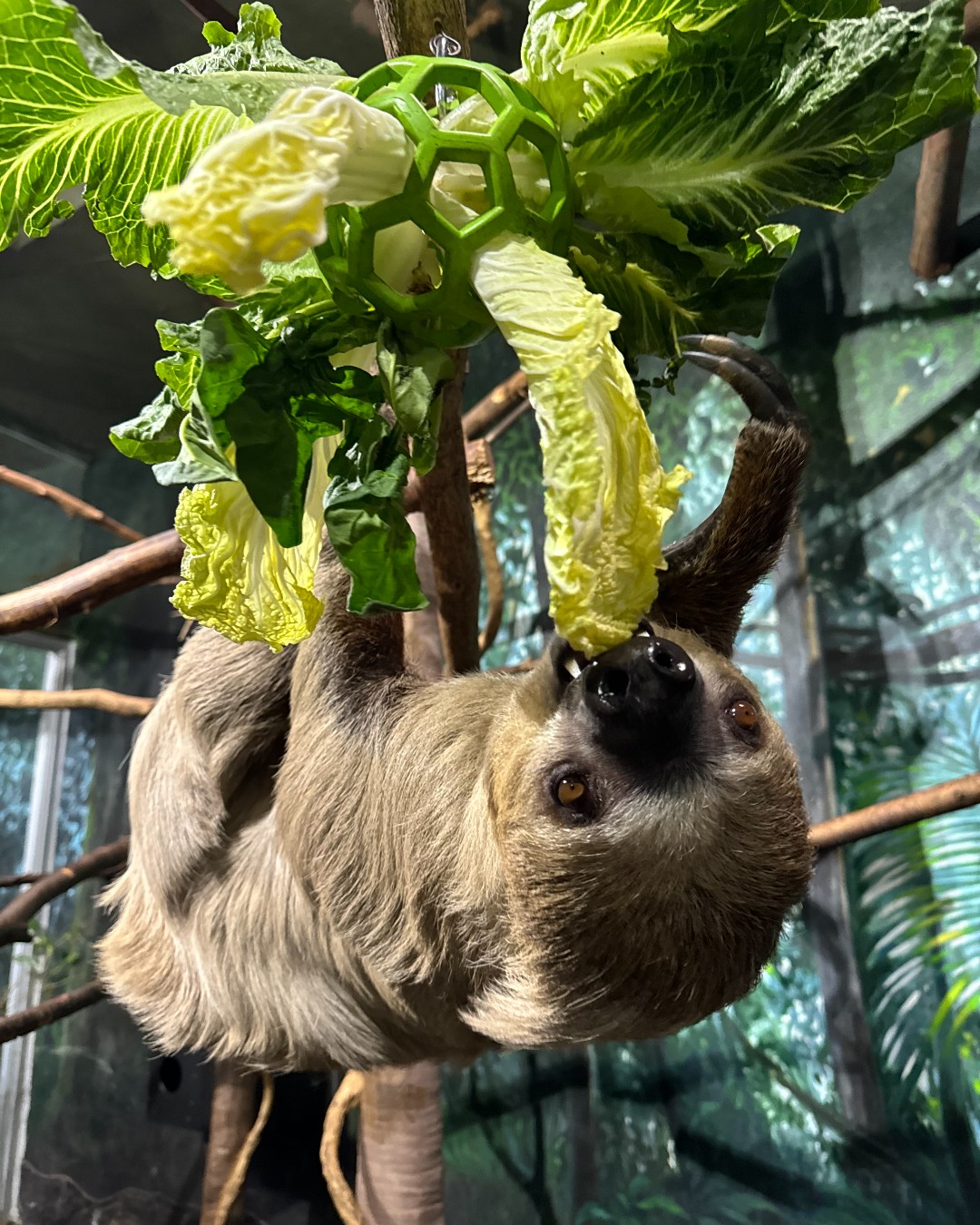
- The essential daily diets required for over 3,000 animals across various species.
- The role of the nutrition and veterinary team in crafting specialized diets.
- Sustainable practices in food sourcing and preparation.
- How food and nutrition contribute to the zoo’s conservation efforts.
- The importance of education and public engagement in wildlife nutrition.
Feeding the nearly 3,000 animals in the Toronto Zoo requires extensive planning and expertise from a dedicated team. Each animal has unique dietary needs based on its species, age, health status, and natural behaviors. The primary goal is to replicate the animals’ diets in the wild as closely as possible while ensuring they receive the necessary nutrients. For example, large herbivores like giraffes primarily consume high-fiber greens, while carnivores such as lions thrive on protein-rich diets.
The zoo’s nutrition and veterinary team plays a crucial role in establishing specific diets for each species. This team evaluates the nutritional content of the food and its benefits on the animals’ health. Careful observation of feeding behavior helps identify patterns that inform dietary adjustments. Nutritionists often consult veterinary records to factor in any health issues or special considerations, crafting diets that help maintain optimal health for each animal.
Sustainable practices in food sourcing and preparation form the backbone of the zoo’s feeding strategies. The Toronto Zoo has made significant strides in growing its own food, including a variety of fruits and vegetables in on-site gardens. This initiative not only cuts down on transportation but also reduces the carbon footprint associated with feeding thousands of animals. These gardens also provide a practical teaching tool for the community about the importance of sustainability in food production.
Incorporating sustainable practices aligns with the zoo’s broader conservation goals. A significant portion of the food program supports wildlife conservation efforts, particularly through rearing native plant species that benefit local wildlife. By fostering a link between food production and conservation efforts, the zoo educates the public on the importance of biodiversity and ecosystem health.
Education and public engagement play central roles in raising awareness about animal nutrition in zoos. The Toronto Zoo actively hosts programs, including online events, where experts share insights on animal care, including nutrition. These sessions not only inform the public but also inspire a sense of responsibility towards wildlife conservation. By enriching public knowledge, the zoo encourages community involvement in broader conservation efforts.
The comprehensive process of feeding over 3,000 animals highlights the importance of teamwork within the zoo. From zookeepers to nutritionists to veterinarians, every member plays a vital role in ensuring the welfare of the animals in their care. This collaborative approach facilitates an environment where animals receive nutritious, diverse diets that promote healthy behaviors and enhance their overall wellbeing.
Measuring dietary needs requires a blend of science and practical experience. Each species has specific nutritional requirements that must be met to promote health and prevent illness. The zoo’s team conducts regular assessments of animal health to ensure dietary plans remain effective. Animals often undergo veterinary check-ups to evaluate their weight, hydration levels, and overall health, with adjustments made to their diets accordingly.
Food items must be carefully chosen. For example, herbivores receive a high-fiber diet that includes hay, pellets, and fresh produce. In contrast, carnivores consume specially formulated meat diets with added vitamins and minerals to replicate their natural prey. Omnivorous species receive a mixed diet that balances plant and animal products, tailored to their specific dietary needs.
Moreover, the temperature and seasonality of various food items also influence feeding decisions. Seasonal diets may include certain fruits and vegetables only available at specific times of the year. The team monitors availability to rotate food choices, which adds variety to the animals’ diets and prevents boredom. A diversified diet promotes mental stimulation for the animals, which is essential for their psychological health.
Addressing animal welfare involves observing how they interact with their food. Zookeepers note behaviors such as foraging, playfulness, and interest in their diet, which provide valuable feedback for making dietary adjustments. All animals, from the smallest reptiles to the largest mammals, benefit from a feeding approach that prioritizes natural behavior patterns.
Sustainability is an overarching theme within the zoo’s food program. The incorporation of sustainable food practices aligns with the zoo’s conservation mission, promoting a healthy ecosystem for both animals and the environment. By prioritizing local produce and minimizing waste, the zoo models responsible food sourcing that can inspire guests to adopt similar practices in their daily lives.
The educational programs also emphasize sustainable eating habits, creating a direct connection between animal care and larger environmental issues. When the public understands how the zoo manages its food sources, they become more aware of their impact on wildlife and the environment, further pressing the message of conservation.
Public engagement further extends through social media platforms where the Toronto Zoo shares insights about feeding operations. Videos, stories, and posts designed to highlight food choices and meal preparations per species encourage followers to appreciate the complexities of zoo animal care. These initiatives foster a community of informed individuals who are more likely to support conservation efforts.
Community outreach programs invite schools and organizations to come and learn about animal diets and the connection to conservation. This educational experience emphasizes the importance of biodiversity and encourages young people to think critically about the future of wildlife. By instilling values and knowledge early, the Toronto Zoo supports the next generation of animal conservationists.
In summary, feeding the vast population of animals at the Toronto Zoo demands extensive knowledge, planning, and collaboration. From the careful assessment of dietary needs to the implementation of sustainable practices, every element is essential for maintaining the health and wellbeing of the zoo’s residents. As the zoo continues to evolve, these strategies serve as critical components in promoting conservation and fostering a deeper connection between wildlife and the public. The feeding program represents not only the immediate needs of the animals but also serves as a platform to educate and inspire future generations about the importance of protecting wildlife and their habitats.
Join the Toronto Zoo on November 26, 2025, for an insightful online session about this critical aspect of animal care. Through engaging discussions and informative presentations, you can learn more about what it takes to feed the nearly 3,000 animals at the zoo, all while supporting crucial conservation science efforts.
*****
Source Description
What does it take to feed the nearly 3,000+ animals in your Toronto Zoo’s care? 🌿
It takes a village and an incredible team, with many considerations factored in as it relates to diet, nutrition and more. Learn how we grow sustainable food to keep some of your favourite species healthy, while supporting critical conservation science efforts 🍌
Join us for this next installment of Exploring by the Seat of your Pants 🎥
🗓️ Wednesday, November 26, 2025
⏰ 1:00pm
💻 Toronto Zoo Facebook page
Link in bio to learn more and register.
