
- The nutritional value of Mazuri feed for zoo animals.
- The significance of enrichment activities in animal care.
- How spa treatments contribute to animal wellness.
- The role of zoos in wildlife conservation and community education.
- The importance of public support and donations for animal care.
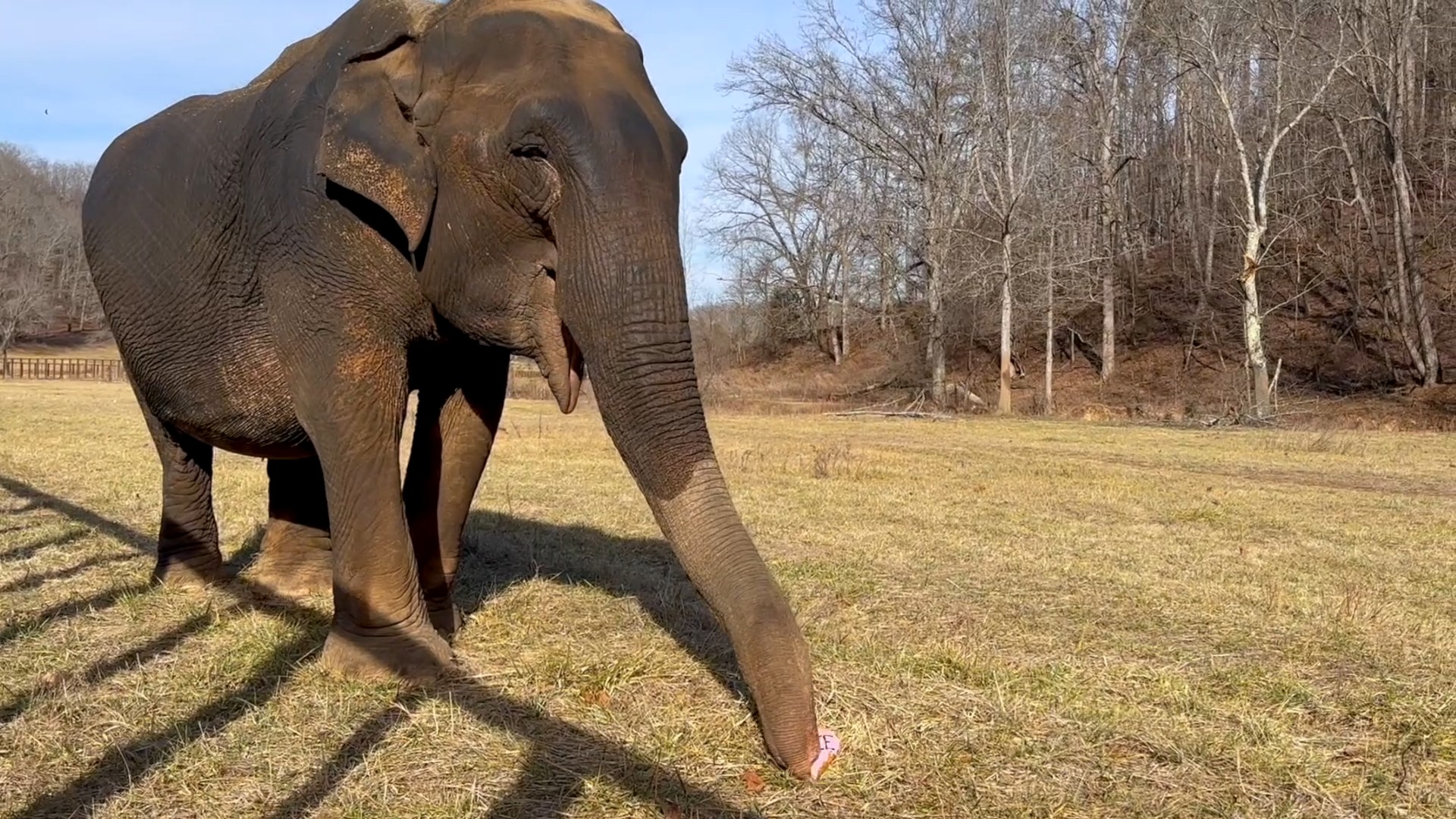
Billie, Debbie, and Ronnie enjoy special treats created by the dedicated care staff during Valentine’s Day celebrations. These Mazuri “cookies”—made with Mazuri feed crumbs and pumpkin—serve a dual purpose. Not only do they provide a nutritious snack, but they also bring a sense of joy and engagement to the animals. Such enrichment activities are vital for the physical and mental well-being of zoo residents.
Mazuri feed is highly regarded in the animal nutrition community. This specially formulated diet is designed to meet the dietary needs of various zoo animals. It offers balanced nutrition, ensuring that all essential vitamins and minerals are present. For example, ingredients like pumpkin provide natural fiber, which aids digestion and promotes gut health. Understanding the nutritional value of Mazuri feed is crucial for caretakers as it supports the overall health of animals like Billie, Debbie, and Ronnie.
Enrichment activities, such as the distribution of special treats, are essential in zoo management. They stimulate animals both physically and mentally, promoting natural behaviors. In the wild, animals spend significant time foraging for food. Therefore, introducing engaging activities keeps them active and content in a controlled environment. For Billie, receiving her Valentine’s cookie is more than just a snack; it simulates the foraging process, encouraging her to engage with both the cookie and her surroundings.
Billie’s recent spa treatment is another important aspect of animal care. This particular routine used coconut oil to soothe her skin during dry weather. Regular skin care is critical for many animals, especially those housed in environments that may affect their coat and overall skin health. Applying coconut oil is not only a pampering treatment but an intervention that helps maintain her skin integrity, which is vital for her comfort and health. The simple act of caring for her skin contributes to her overall well-being, showcasing how even small gestures matter in animal husbandry.
The role of zoos extends beyond just caring for animals; they are also key players in wildlife conservation and public education. Approximately 75% of the world’s biodiversity is found in developing countries, where conservation efforts are often hampered by limited resources. Zoos are critical in bridging this gap by providing funding and awareness for various conservation initiatives. Programs that focus on habitat preservation, species recovery, and animal rehabilitation are often funded by donations from the public. Therefore, the support of generous patrons enables zoos to expand their conservation outreach.
Effective communication about conservation issues is essential for community awareness. Educational programs offered by zoos often aim to inform visitors about wildlife protection and the delicate balance of ecosystems. By understanding the plight of endangered species and the importance of habitat conservation, the public can better appreciate the role of zoos in preserving global biodiversity. These educational initiatives not only elevate zoo visitors’ experiences but also empower them to take action in their communities.
Another significant aspect of the relationship between zoos and the public is the emotional connection it fosters. Events like Valentine’s Day allow caretakers to express their affection for the animals and to encourage visitors to form bonds with them too. Cute stories about Billie, Debbie, and Ronnie receiving their Mazuri cookies not only delight supporters but also remind them of their essential role in the animals’ lives.
Public donations are crucial for maintaining high standards of animal care. Their contributions support not just the daily needs of the animals but also research initiatives that can lead to improved dietary formulations and enrichment strategies. Ongoing research helps zoo staff optimize the care provided and adapt practices to meet each animal’s unique needs. By investing in science and innovation, zoos enhance the welfare of their charges.
Animal wellness is a priority in modern zoo management. Facilities are encouraged to develop comprehensive animal welfare programs that address the physical, psychological, and social aspects of care. These programs include regular health assessments, diet plans, and enrichment activities tailored to each species. Ensuring that animals like Billie, Debbie, and Ronnie thrive requires ongoing training and resources for care staff.
The practice of using specially formulated cookies representing love and care is symbolic of the deeper commitment to animal welfare. Every component of their diet is thoughtfully selected to promote their health over the long term. Zoos across the country tailor their feeding regimens to suit the behavioral patterns and health needs of their animals.
In addition to diet management, social interactions among animals can influence behavior and anxiety levels. For social species, the presence of compatible companions can alleviate stress and foster a sense of belonging. By carefully monitoring interactions between residents, care teams facilitate positive social experiences that contribute to the animals’ mental health.
During special events, the enthusiasm among staff and visitors creates a vibrant atmosphere, enhancing the animals’ experiences. This positive energy aids in reducing anxiety in creatures like Billie, Debbie, and Ronnie, making it easier for them to adjust to interactions with both humans and their habitats. By transforming routine care into special occasions, zoos build a supportive community around animal welfare.
In these settings, the contributions of caretakers often go beyond what visitors see. Staff members work diligently behind the scenes to ensure a seamless operation. From crafting nutritious Mazuri cookies to implementing wellness routines, their efforts are critical in fostering the well-being of animals. This level of dedication builds trust between the animals and humans who care for them.
The celebration of Valentine’s Day through creative treats such as Mazuri cookies highlights the importance of keeping animal care engaging and fresh. It also provides an opportunity for zoos to reflect on their mission and strengthen their commitment to both animal welfare and conservation efforts. Providing animals with culturally relevant enrichment allows for deeper connections between humans and wildlife, further bridging the gap between species.
As visitors witness animals enjoying thoughtful treats, they become invested in the story of wildlife conservation. Personal connections foster a sense of responsibility, encouraging people to become advocates for nature in their own lives. Educating the public on the challenges faced by wildlife is a crucial step in cultivating stewardship for the environment.
Furthermore, recognizing the direct impact donations have on animals is essential for inspiring continued support. When community members see firsthand how their contributions make a difference—like providing nourishing Mazuri cookies—they become passionate advocates for sustainable practices. This feedback loop of support, engagement, and education enables zoos to thrive and fulfill their mission.
By witnessing Billie, Debbie, and Ronnie revel in their special treats, visitors leave with a deeper understanding of the complexities involved in animal care. They carry the message of conservation and welfare back to their communities, amplifying awareness of local wildlife challenges. Through these interactions, zoos become catalysts for change, shaping future generations of wildlife advocates.
Billie, Debbie, and Ronnie’s enjoyment on Valentine’s Day is a celebration of animal care excellence and community involvement. From nutrition to enrichment activities and conservation efforts, these elements intertwine in meaningful ways, reinforcing the critical mission of zoos in our ever-changing world. Every cookie shared, every spa treatment given, and every donation made aligns to support not just the animals in the zoo but the larger vision of wildlife preservation. Each act contributes to the ongoing narrative of conservation success, proving that every effort counts in the pursuit of a healthier planet for all living beings.
*****
Source Description
Billie, Debbie, and Ronnie each received a Valentine’s Day Mazuri “cookie” made with love by Care Staff out of Mazuri feed crumbs and pumpkin. Fresh from a routine “spa” treatment of coconut oil to soothe her skin in the dry weather, Billie made her way out to the habitat and scooped up the cookie along with a pile of hay. Happy Valentine’s Day to all our generous supporters! 💝
