
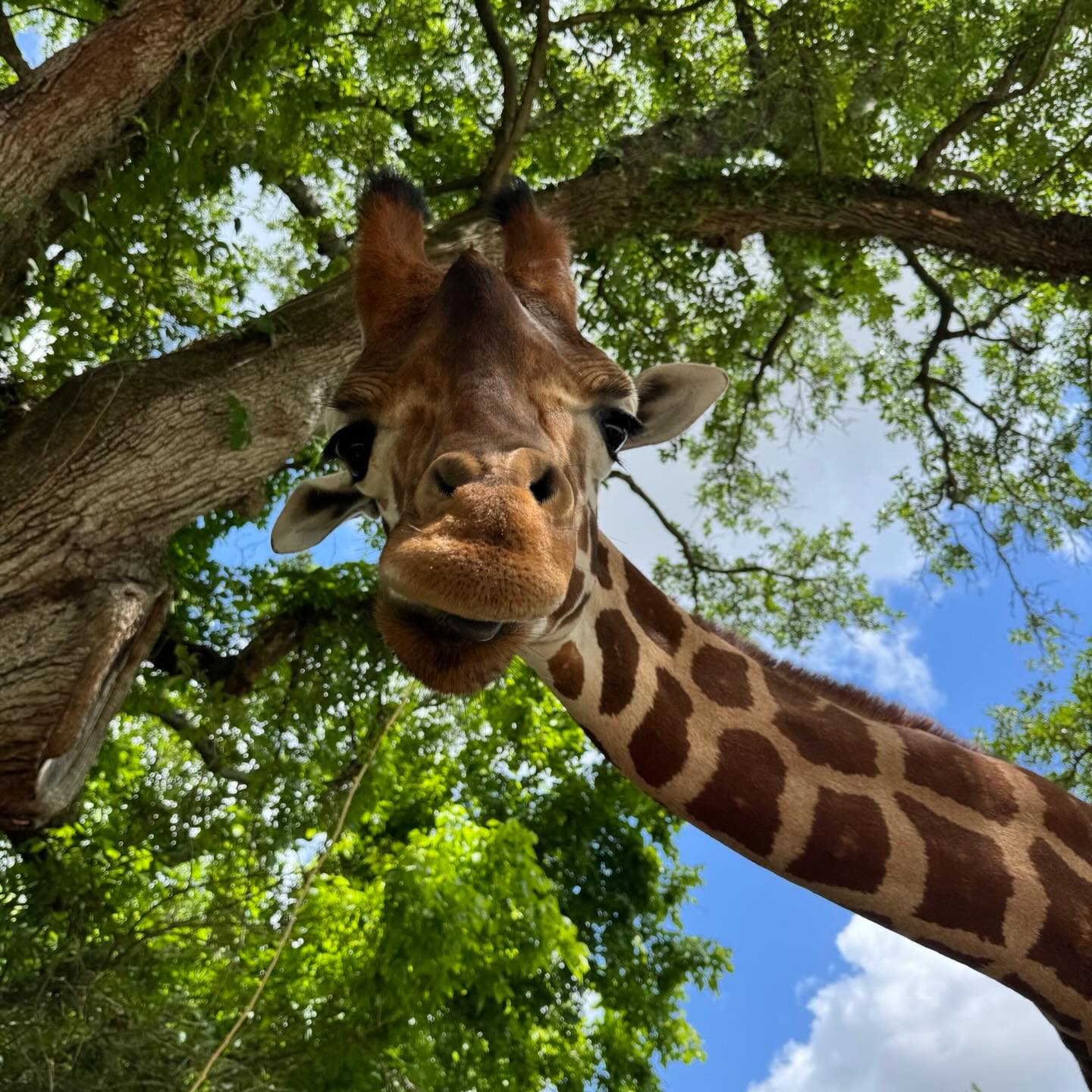
- Introduction to Fennessy and Maverick: Key characteristics and behaviors
- The significance of Tongue Out Tuesday in zoo communication
- Insights into the care provided by Senior Keeper Morgan
- The role of zoos in conservation and education
- Engaging the public with animal interactions and awareness
Fennessy and Maverick are two giraffes that bring joy and education to visitors during Tongue Out Tuesday at the zoo. Giraffes are fascinating animals that have long captured the interest of both children and adults alike. Fennessy stands out for her impressive height and whimsy, often seen lounging with her long neck craned in curiosity. In contrast, Maverick’s playful antics and expressive tongue have made him a favorite among zoo-goers. Both animals exemplify the engaging personalities of giraffes, with Fennessy and Maverick frequently partaking in activities that educate the public about their species.
Tongue Out Tuesday has become an exciting initiative for many zoos, focusing on raising awareness about animal behavior while encouraging interaction between animals and their caretakers. For giraffes, tongue behavior is a normal part of their anatomy. They often stick out their tongues to grasp leaves, a habit that becomes visually entertaining during events like Tongue Out Tuesday. In this setting, visitors can observe their natural behaviors up close, providing a unique opportunity to learn more about giraffe characteristics, social structures, and feeding habits.
Senior Keeper Morgan plays a pivotal role in the daily lives of Fennessy and Maverick. Her extensive knowledge in zoology and zoo management allows her to create a nurturing and stimulating environment for the animals. Morgan’s duties involve more than routine feeding. She constantly monitors their health and behavioral patterns, ensuring that both giraffes remain physically active and mentally engaged. The connection between a keeper and the giraffes promotes a sense of trust, allowing for better care and observation of any behavioral anomalies.
Senior Keepers like Morgan are integral to animal welfare, especially in a zoo setting. They conduct behavioral training, which enhances animal comfort and well-being. Through positive reinforcement techniques, both Fennessy and Maverick are encouraged to exhibit natural behaviors. Whether it’s reaching for leaves or interacting with enrichment tools, these activities are essential in keeping the giraffes physically fit and mentally stimulated.
Zoos play a crucial role in wildlife conservation. They not only provide a sanctuary for endangered species but also work towards educating the public about the importance of biodiversity and environmental stewardship. Giraffes, for instance, are classified as vulnerable due to habitat loss and poaching. The participation of zoos in conservation both educates visitors and generates support for initiatives aimed at protecting these majestic animals in their natural habitats.
Giraffe extinction prevention initiatives are often discussed at events like Tongue Out Tuesday. Visitors are encouraged to contribute to or participate in conservation programs designed to protect giraffes in the wild. Such programs aim to restore habitats and ensure genetic diversity among the remaining populations. Exhibiting animals like Fennessy and Maverick allows the public to develop a more profound appreciation for the species, which can lead to actionable support for conservation efforts.
Engagement with the public is essential for raising awareness. Events like Tongue Out Tuesday combine fun with education, allowing visitors to observe animals like Fennessy and Maverick in an interactive atmosphere. This initiative helps demystify misconceptions about giraffes, providing insights into their social behaviors and physiological adaptations. For example, giraffes can consume over 75 pounds of foliage daily, thanks to their specialized tongues that measure up to 20 inches in length. Their anatomical features, combined with their social structures, form an ecosystem of learning for young audiences.
Fennessy and Maverick’s interaction with Senior Keeper Morgan serves as a visual representation of the human-animal bond cultivated in zoos. The trust built between keeper and giraffe provides the animals with security, allowing them to flourish in a controlled environment. This bond underscores the importance of dedicated animal care in promoting species conservation.
Approximately 66,000 giraffes reportedly remain in the wild. Their population is declining primarily due to habitat encroachment and hunting. Through educational initiatives at the zoo, visitors become more aware of the challenges facing giraffes. This knowledge fosters a sense of responsibility, reminding people that wildlife conservation is a collective effort.
Moreover, zoo programming extends beyond immediate animal care. Workshops and talks led by experienced keepers like Morgan communicate the values of biodiversity and resilience in wildlife populations. Engaging discussions help to clarify the significance of protecting ecosystems that include giraffe habitats. Additionally, they can lead to more community involvement in conservation efforts.
Animals such as Fennessy and Maverick play an essential part in these dialogues. Their well-being is a direct reflection of successful conservation strategies being implemented. When visitors see giraffes thriving in a zoo, they witness a success story of conservation and management.
During Tongue Out Tuesday, Morgan often shares entertaining facts about giraffes that inspire curiosity and foster emotional connections to the animals. For example, visitors learn that a giraffe’s neck has the same number of vertebrae as a human neck, yet those vertebrae are elongated for a unique shape. Educational tidbits help younger audiences engage, affirming that facts about nature can be both informative and enjoyable.
Public interest in animals like Fennessy and Maverick can lead to increased funding for conservation initiatives. By sharing the joys of interacting with animals during events like Tongue Out Tuesday, zoos can inspire people to contribute financially to vital projects aimed at wildlife preservation. Effectively communicating the significance of these initiatives is crucial for maintaining the health of giraffes in the wild.
The keeper-animal relationship displayed during Tongue Out Tuesday exemplifies the importance of dedicated animal care. Morgan’s experience ensures that both Fennessy and Maverick receive nutritional and emotional support, vital for their overall well-being. This attention goes beyond physical health; it cultivates a bond that enhances the animals’ naturalistic behaviors.
Visitors often leave events feeling inspired and informed about the roles that they can play in the broader context of wildlife conservation. By committing to eco-friendly practices in their own lives, individuals can contribute significantly to alleviating the pressures faced by various species, including giraffes. Such actions can include sustainable consumer choices, advocating for wildlife conservation, and supporting environmental organizations.
Each interaction between the giraffes and visitors is an opportunity to spread awareness. Public admiration can transform into advocacy, promoting actionable change for giraffes and other wildlife. Through participatory learning experiences like Tongue Out Tuesday, zoos play an invaluable role in shaping future advocates for animal welfare and conservation.
Fennessy and Maverick are more than just two charismatic giraffes; they serve as ambassadors for their species, offering insights into broader ecological issues. Events at the zoo allow them to shine, providing a platform for education and awareness. The joy they bring can ignite a passion for wildlife, encouraging people to take an active stance against biodiversity loss.
Through understanding the significance of behaviors like those displayed during Tongue Out Tuesday, visitors can reshape how they view wildlife and their role in conservation. The interactions facilitated by dedicated keepers and engaging programming resonate far beyond the zoo gates.
Understanding these dynamics provides clarity about the importance of caring for our natural world. The efforts at zoos, reinforced by events celebrating animal behaviors, contribute to a greater consciousness about the complexities of wildlife conservation.
In the engaging interplay between Fennessy, Maverick, and Senior Keeper Morgan, a wealth of knowledge emerges, fostering a community of informed advocates for animal rights and environmental sustainability. These learning experiences uplift the discourse surrounding wildlife and conservation, ensuring that species like giraffes continue to thrive for generations to come.
*****
Source Description
Fennessy and Maverick are here for Tongue Out Tuesday! 🦒
📸: Senior Keeper Morgan
