
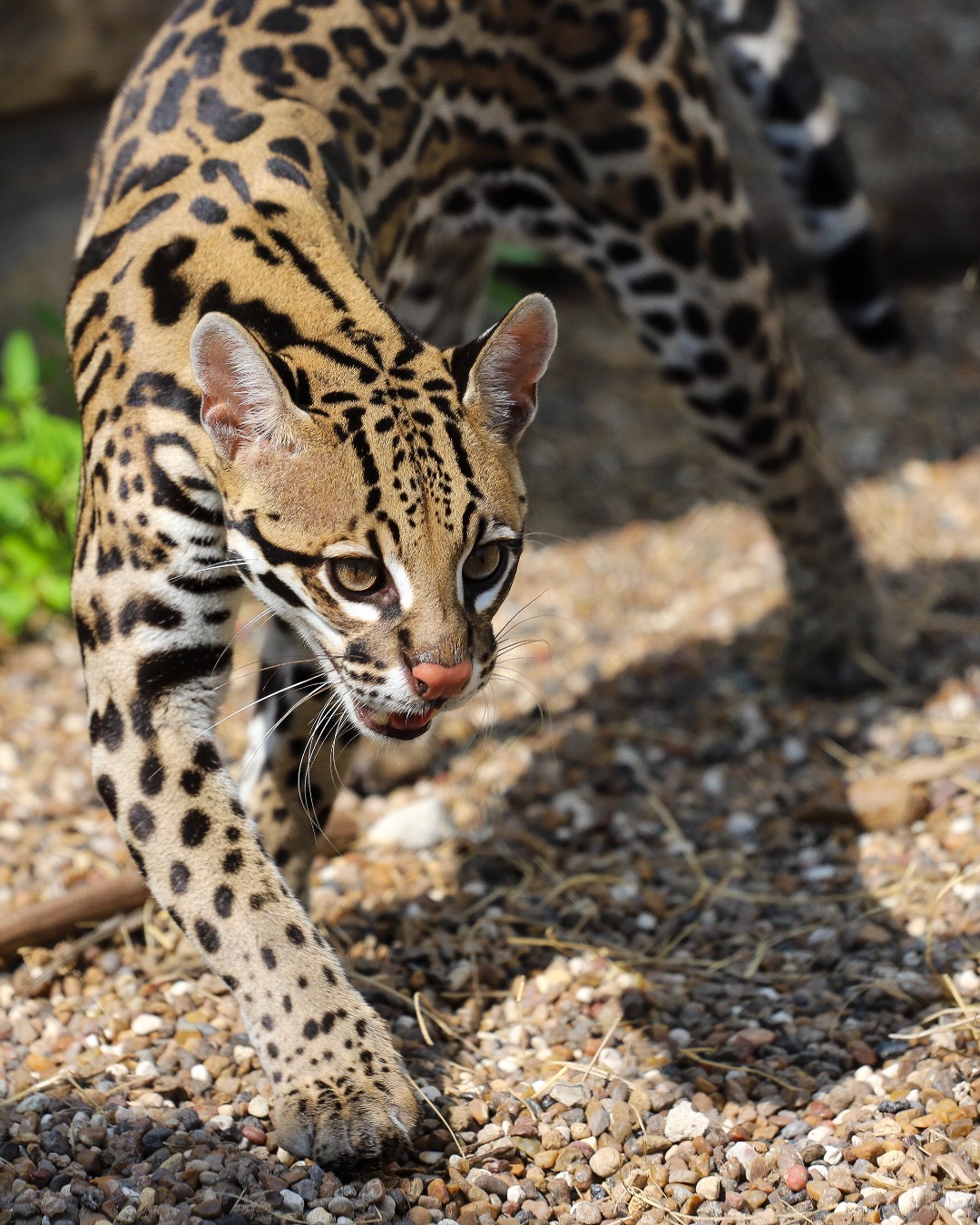
- Fewer than 100 wild ocelots remain in the U.S., primarily in South Texas.
- Conservation efforts led by organizations and researchers are critical for their survival.
- The Texas State Aquarium plays a vital role in ocelot reproductive research.
- Ocelots are essential to the ecosystems they inhabit, affecting numerous other species.
- Continued collaboration and innovations are key to ensuring a future for these cats.
Fewer than 100 wild ocelots remain in the U.S., showcasing a dramatic decline in population over the years. These small, spotted wild cats primarily inhabit the dense thorn scrub of South Texas. The ocelot, scientifically known as Leopardus pardalis, is an integral part of the ecosystem, influencing prey populations and vegetation dynamics. Their existence is not merely a matter of aesthetic appeal; it pertains to the broader health of the environment.
The plight of the ocelot has galvanized extensive conservation efforts spearheaded by dedicated researchers, wildlife biologists, and organizations such as the East Foundation and the Caesar Kleberg Wildlife Research Institute at Texas A&M University Kingsville. These entities are committed to studying and preserving these elusive cats and their habitats. Their work involves habitat protection, population monitoring, and public education initiatives aimed at raising awareness about the ocelot’s critical status.
Efforts by organizations like the Texas State Aquarium are also helping advance conservation strategies. The aquarium’s veterinary team has recently taken significant steps in reproductive research, which are paramount for increasing the wild population of ocelots. In December 2024, the team assisted in extracting eggs from Milla, a five-year-old ocelot. This procedure is part of ongoing efforts to understand the reproductive health of these rare mammals. Insights from reproductive studies can influence breeding programs, improve genetic diversity, and guide conservation strategies that are crucial for the ocelot’s revival.
Ocelots are not only impressive for their unique appearance but also for their ecological roles as top predators in the food chain. They primarily feed on small mammals such as rodents and rabbits, which keeps these populations in check. Their hunting behavior impacts vegetation growth as well, as it affects herbivore populations. Thus, the loss of ocelots can disrupt the balance of these ecosystems, leading to overpopulation of certain species and a subsequent decline in plant life. Protecting ocelots is, therefore, not just about saving one species; it is about preserving the integrity of an entire ecosystem that supports countless other wildlife species.
Habitat destruction poses one of the most significant challenges to the survival of the ocelot. Urbanization, agricultural expansion, and road construction all contribute to the fragmentation of their natural habitat. As interspersed and isolated patches of land become the norm, genetic diversity suffers, increasing the risk of inbreeding depression. This condition can lead to a range of health issues and decreased reproductive success, further threatening their existence.
Restoration of habitat plays an important role in conservation efforts. Strategic land management helps secure essential territories for ocelots while providing safe pathways for movement and breeding. Collaborations between state agencies, private landowners, and conservation groups are crucial for creating connected landscapes where wildlife can thrive. These partnerships can also promote sustainable land-use practices that benefit both wildlife and local communities.
Public awareness and education are vital components in saving the ocelot. Engaging local communities in conservation efforts can lead to increased support for ocelot preservation. Initiatives such as guided nature walks and school programs educate the public on the importance of biodiversity and ecosystem health. Such educational outreach can foster an appreciation for ocelots and motivate individuals to participate in conservation.
Innovative tracking and monitoring technologies provide scientists with essential data on the behavior and movements of ocelots. GPS collars and camera traps have become invaluable tools, enabling researchers to gather information on habitat use, territoriality, and population dynamics. This data allows conservationists to adapt strategies in real time, ensuring a more focused approach to recovery efforts.
Genetic research is another cornerstone of ocelot conservation. Analyzing genetic diversity within populations can guide breeding programs aimed at enhancing resiliency. Ensuring a broad genetic base can lead to healthier populations better adapted to environmental changes. As research continues, the integration of genetic management alongside habitat conservation will hold significance for the future of the species.
Long-term conservation requires funding, and securing resources is often a challenging endeavor. Public funding can be limited, which makes private donations and grants essential for sustaining critical projects. Organizations dedicated to wildlife conservation often rely on community support to fund initiatives that aid in the survival of the ocelot and other endangered species. By fostering public interest and involvement, these organizations can create lasting change.
The urgency of the task at hand cannot be understated. The road ahead is fraught with challenges, but the combined enthusiasm of researchers, conservationists, and community members provides hope. Their collective efforts highlight the importance of preserving not just the ocelot, but the entire ecosystem which sustains a diverse range of flora and fauna. The survival of fewer than 100 wild ocelots in the U.S. forces us to look beyond individual species and consider the broader implications of environmental stewardship.
Currently, the ocelot is listed under the Endangered Species Act, which mandates various protections that aim to recover their populations. This federal designation brings attention and resources to conservation, yet challenges persist. Legislative support is vital, and active participation by the public in conservation campaigns can amplify these efforts. Engaging with local representatives to advocate for stronger protections may help foster policies that prioritize wildlife conservation.
Moreover, cross-border collaboration between the U.S. and Mexico is essential due to the shared habitats of the ocelot. The establishment of ecological corridors that cross international boundaries can facilitate movement between populations, ultimately enhancing genetic diversity. As wildlife knows no borders, concerted efforts between countries can provide a more effective approach to conservation.
As public awareness builds, the need for innovative solutions becomes apparent. Organizations are exploring advanced technologies for habitat conservation, tracking, and wildlife monitoring. Initiatives may include creating wildlife bridges over roads and developing eco-friendly land-use practices. Each step taken towards sustainability reflects a growing recognition of the interconnectedness of all species and ecosystems.
Engagement with the community is particularly critical to foster a sense of responsibility towards these animals. By participating in volunteer efforts, local residents can contribute to conservation initiatives that protect ocelots and their habitats. Volunteer programs, whether through clean-ups, trail maintenance, or educational outreach, allow individuals to make a tangible impact.
In addition, the emotional connection people feel towards wildlife can promote advocacy for ocelots. Educational campaigns that highlight the beauty and uniqueness of ocelots can inspire individuals to take action. Stories of specific ocelots, like Milla, humanize these animals and draw attention to their critical plight.
Research does not end with the collection of data; it continues to adapt based on findings. Understanding behavioral traits, reproductive challenges, and ecological needs enables scientists and conservationists to implement more effective strategies. Continuous learning and flexibility will define the conservation landscape for ocelots as new challenges arise.
To summarize, fewer than 100 wild ocelots remain in the U.S. due to habitat loss, fragmentation, and a range of other factors. However, with dynamic efforts driven by researchers, organizations like the East Foundation, and community involvement, there is a pathway forward. The work being carried out today will have lasting effects on the future of ocelots and the ecosystems they inhabit. As we focus on conserving these remarkable cats, we simultaneously establish frameworks that will benefit numerous species, contributing to a healthier planet overall.
*****
Source Description
Fewer than 100. That’s how many wild ocelots remain in the U.S., surviving in the dense thorn scrub of South Texas. But thanks to the dedication of researchers, conservationists, and organizations like the East Foundation, and the Caesar Kleberg Wildlife Research Institute-Texas A&M University Kingsville, hope is not lost.
At the Texas State Aquarium, our team has been actively supporting efforts to study and preserve these elusive cats. In December 2024, our veterinary team assisted in extracting eggs from Milla, a five-year-old ocelot, as part of ongoing reproductive research. While challenges remain, each procedure provides invaluable insights into the reproductive health of wild ocelots and helps refine conservation strategies.
This is more than just saving a single species, it’s about preserving an entire ecosystem that supports countless wildlife species. The road ahead is long, but with collaboration and innovation, we are determined to give these wild cats a fighting chance.
Learn more about the efforts to protect these endangered cats in an insightful piece by Reuters. Comment LINK, and we’ll send you the article, or click the link in our bio to read more! 🔗✨
