
- The emergence of fireflies in Colorado and its significance.
- Koda’s role as part of the Firefly Lifecycle Project.
- Understanding the life cycle of fireflies.
- The implications of climate change on firefly populations.
- Importance of conservation efforts for fireflies and biodiversity.
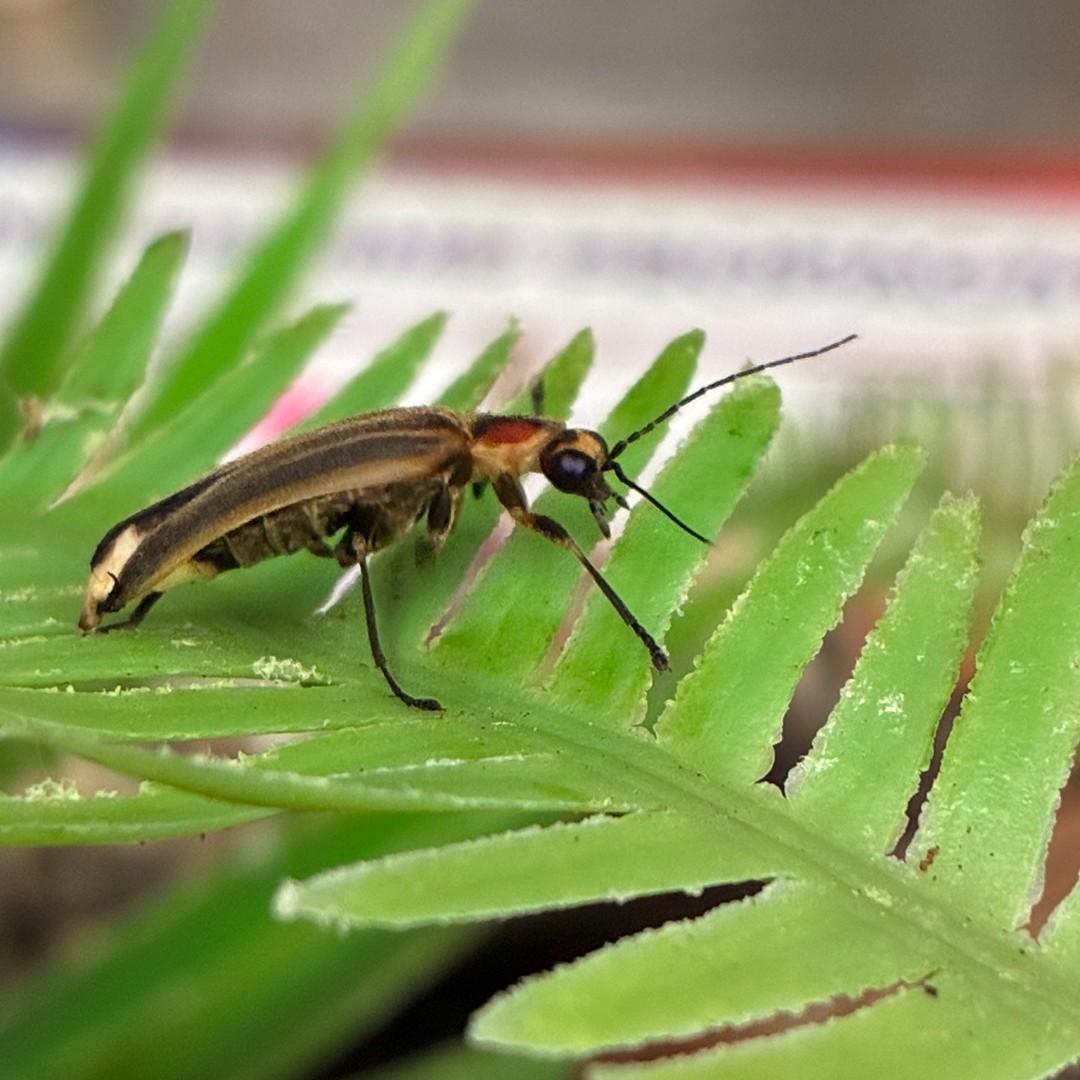
The emergence of fireflies in Colorado has attracted significant attention among scientists and nature enthusiasts alike. This natural event signifies the changing climate. In recent years, these wonders of nature have been appearing earlier due to warmer temperatures, a trend that experts predict will continue in 2026. Koda, the first firefly to emerge in the Butterfly Pavilion lab this year, symbolizes this shift.
Koda is not just any firefly; Koda represents the sixth adult firefly to emerge under the care of the Butterfly Pavilion since the beginning of the Firefly Lifecycle Project initiated in 2017. This project aims to rear fireflies in a lab setting to better understand their behavior and biology. By monitoring these insects in controlled environments, scientists not only gain insight into their life cycles but also gather valuable data applicable to wild populations.
The lifecycle of fireflies is intricate and fascinating. Fireflies, or lightning bugs, are part of the Lampyridae family. Their life cycle consists of several stages: egg, larva, pupa, and adult. Typically, female fireflies lay eggs on or near the ground, where the larvae hatch and go through multiple instars before entering the pupa stage. During this stage, they undergo significant transformation, eventually emerging as adults. The larvae of fireflies can take several months or even years to mature, depending on environmental conditions. This variability in their life cycle underscores their vulnerability to changes in climate and habitat.
Koda’s premature emergence from pupae this year is noteworthy. Traditionally, larvae in the laboratory do not emerge until late June. Koda’s early appearance could indicate that favorable conditions are prompting fireflies to emerge sooner than expected. This phenomenon may suggest adaptation to changing climate conditions. Monitoring Koda will allow researchers to observe pertinent behaviors and characteristics, such as mating rituals and bioluminescence.
The implications of climate change on firefly populations cannot be overstated. As the climate continues to warm, alterations in habitats and available resources could influence firefly life cycles and their distribution. Fireflies require moist, undisturbed environments that provide suitable breeding grounds. As urbanization and climate change reshape landscapes, it becomes essential to study how these factors affect their life cycles. Understanding these dynamics contributes to effective conservation strategies that foster firefly populations.
In the Butterfly Pavilion lab, ongoing research will delve deeper into firefly rearing. The team plans to expand their investigations to other fireflies, gathering more data to improve breeding protocols. These efforts not only aid in learning about fireflies but also play a crucial role in broader conservation efforts. Fireflies serve as indicators of a healthy ecosystem; their decline could signal underlying environmental issues that necessitate immediate attention and action.
The conservation of fireflies and their habitats is critical. They are vital components of biodiversity, playing roles in food webs and contributing to the ecological balance. It is imperative to maintain their natural habitats and reduce threats from pollution, urbanization, and climate change. Initiatives like the Firefly Lifecycle Project at Butterfly Pavilion serve as important case studies for best practices in wildlife conservation. Such efforts pave the way for a more sustainable approach to wildlife management.
In summary, the emergence of Koda, the first firefly of 2026 at Butterfly Pavilion, illustrates the intricate connections between climate change and wildlife behavior. Koda’s emergence underlines the importance of continued study and observation of fireflies, their habitats, and the challenges they face. As researchers and conservationists work collaboratively, the knowledge gained can lead to effective strategies for preserving not only fireflies but also the ecosystems they inhabit. Therefore, observing fireflies like Koda fosters greater awareness of the role each species plays in maintaining biodiversity and highlights the necessity of sustainable practices in our communities.
Butterfly Pavilion’s commitment to the Firefly Lifecycle Project emphasizes the importance of hands-on research in understanding pressing environmental challenges. As Koda continues to thrive in the lab, the potential for new discoveries remains significant. This year’s research efforts will focus not only on the biology of Koda but also provide broader insights into how changing climates impact firefly populations on a larger scale. The journey of understanding continues, with Koda at the forefront, making strides in the name of wildlife conservation.
*****
Source Description
We’re excited to announce that the first firefly of 2026 at Butterfly Pavilion has emerged in our lab! Meet Koda, the sixth adult firefly to emerge under our care since the start of our Firefly Lifecycle Project in 2017.
The emergence of wild fireflies in Colorado has been happening earlier each year, and our team of experts expects this year to be no different due to warmer temperatures. While the larvae in our lab typically emerge around late June, Koda is setting the trend with this early appearance.
Our team plans to continue firefly rearing this year and will return to the field in the coming weeks as adult fireflies begin appearing in the wild. In the meantime, we will be studying and monitoring Koda and the other firefly pupae to learn more about the firefly lifecycle and improve our current breeding plans.
Stay tuned for more updates and to see which firefly friends may soon join Koda from our lab!
