
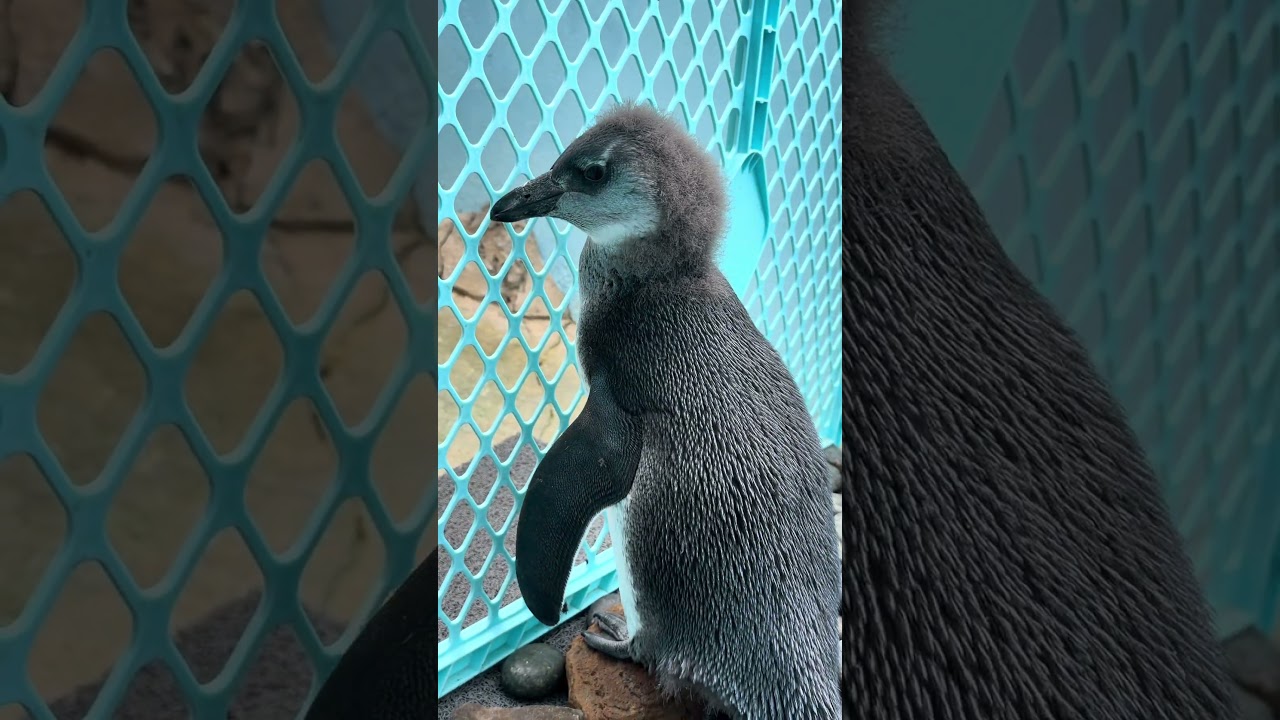
- Introduction to African penguin chick Jupiter and his journey
- Significance of animal care facilities and zoos in wildlife conservation
- The natural habitat of African penguins and the veterinary care involved
- The benefits of public awareness and education through animal exhibits
- The role of conservation efforts in protecting endangered species
The story of Jupiter, an African penguin chick, is a significant one, especially for those interested in wildlife conservation and zoo management. Having recently transitioned from Care Corner, where he received specialized attention, Jupiter is now ready to be introduced to a larger habitat. This transition not only supports his growth but also serves as a meaningful aspect of the educational initiatives of modern zoos.
Caring for young animals in a controlled environment is a critical aspect of wildlife management. Facilities like Care Corner play an integral part in the early developmental stages of many species. In Jupiter’s case, he required a nurturing environment to ensure that he developed properly. The careful monitoring of his diet, social interactions, and health status were all essential elements during this formative period. Staff at such facilities focus on breeding programs and fostering chicks by providing them with enrichment activities, socialization opportunities, and a balanced diet.
African penguins, also known as Spheniscus demersus, are native to the southwestern coast of Africa, and their numbers are dwindling. Factors such as habitat loss, overfishing, and climate change threaten their survival. By raising young penguins like Jupiter in zoos and aquariums, organizations contribute to breeding programs aimed at population sustainability. The knowledge gathered from these experiences is invaluable for future conservation efforts.
An essential aspect of integrating Jupiter into a larger habitat is to familiarize him with a more complex ecosystem similar to his natural environment. While he thrived in the controlled setting of Care Corner, the introduction of varied terrains and social dynamics presents new challenges. African penguins naturally inhabit rocky islands, where they nest and raise their young. This means that exposure to similar settings can aid in developing his instincts for foraging, swimming, and social interaction with other penguins.
Veterinary care also plays a pivotal role in this transition. Penguins can face specific health challenges, including respiratory problems and skin infections. Veterinary staff conduct regular check-ups to monitor health and development. Nutrition plays a necessary part in maintaining the health of the chick. A diverse diet including fish, crustaceans, and even supplements is vital for Jupiter’s growth. Knowledge in veterinary practices allows for proactive measures to prevent illnesses and manage any that may arise.
As partnerships between zoos, conservation groups, and educational institutions strengthen, public awareness and community involvement grow. Educational programs through interactive exhibits featuring penguins, dolphin shows, or wildlife talks can significantly impact how visitors perceive and value wildlife. By engaging people, especially children, in these learning experiences, the potential for developing lasting interests in conservation improves considerably. Providing crowds with tangible connections to species like Jupiter helps foster a sense of responsibility for the environment.
Moreover, the African penguin is classified as endangered, adding urgency to conservation efforts. Initiatives focused on habitat restoration, fisheries management, and community education are essential for the species’ survival. Programs aimed at reducing human impact on their natural habitat can protect existing populations from decline. Organizations like the African Penguin and Seabird Sanctuary have made strides in rescuing injured or rehabilitated birds, thereby enhancing public understanding of the issues facing the species.
When Jupiter enters his new habitat, the challenges will evolve. Social structure among penguins is complex; they often form bonds with peers, and these connections play a crucial role in group dynamics. For Jupiter, learning how to navigate these social relationships will be central to his development. Observations will likely provide insights into how he interacts with older penguins and integrates into the new group.
Educational facilities encourage visitors to become advocates for wildlife. The experience of watching a young penguin like Jupiter can instill a sense of stewardship in those who visit. Through education programs, visitors learn about the threats facing African penguins and the steps necessary for successful conservation. This information can empower individuals to make more eco-friendly choices in their daily lives.
Public exhibits serve as the frontline for educating people about wildlife. As visitors witness the growth and behavior of animals like Jupiter, they can draw parallels to larger environmental issues. For instance, discussions may emerge about how ocean pollution or overfishing could impact penguin populations. This heightened awareness creates advocates for change, urging individuals to get involved in conservation efforts or volunteer opportunities.
Zoos and aquariums are also key players in research and data collection. The information gathered from animals in these settings contributes significantly to global knowledge regarding wildlife behavior, health trends, and breeding patterns. Scientific studies focusing on aspects like social interactions, foraging behaviors, and reproductive success can inform conservation strategies aimed at preserving species in the wild.
The role of animal welfare in zoos further complements the focus on conservation. Jupiter’s move to a larger habitat is one of many steps designed to provide for the psychological and physical needs of the animal. Enrichment activities, social interaction, and varied environments encourage natural behaviors, contributing to a well-rounded experience for the penguin. Understanding the species’ behavioral norms is essential for providing an enriching environment that promotes overall well-being.
In addition to enhancing the lives of the animals, well-managed zoos also uphold strict ethical standards. Staff undergo continual training to stay abreast of the latest developments in animal care and welfare, ensuring that principles of humane treatment are at the forefront. With established guidelines and protocols in place, organizations work diligently to cultivate environments where both animal welfare and educational goals are met.
As the global community becomes increasingly aware of the importance of biodiversity, programs featuring species like the African penguin take center stage. Every successful transition like Jupiter’s not only reflects the dedicated work of zoo employees but also emphasizes the need for the ongoing conservation of species facing extinction.
For visitors eager to learn about these penguins, engaging with animals like Jupiter can inspire action. It encourages them to advocate for policies that protect natural habitats and promote sustainable practices. Through their experiences, families and school groups can turn their observations into action, becoming proactive participants in the fight against environmental decline.
Ultimately, Jupiter’s introduction to his new habitat is not just a moment for him; it symbolizes broader issues within zoology and wildlife conservation. The efforts to raise awareness about endangered species and the importance of ethical animal care encapsulate a vital discussion about human roles in protecting our planet’s biodiversity.
African penguins, like Jupiter, highlight the urgency of conservation work. Raising awareness, fostering education, and taking actions that protect their habitats are necessary elements in sustaining and reviving penguin populations in the wild. Each initiative or successful breeding program contributes to vital conservation strategies that help secure a future where animals and ecosystems can thrive together.
*****
Source Description
The blue gate you’re seeing is called a “howdy.” This allows Jupiter to safely meet and get comfortable with the rest of the penguin colony before fully joining the group. Once he’s feeling confident and settled in, he’ll officially join the rest of the African penguins! #audubonaquarium #penguin #africanpenguin #penguinchick
