
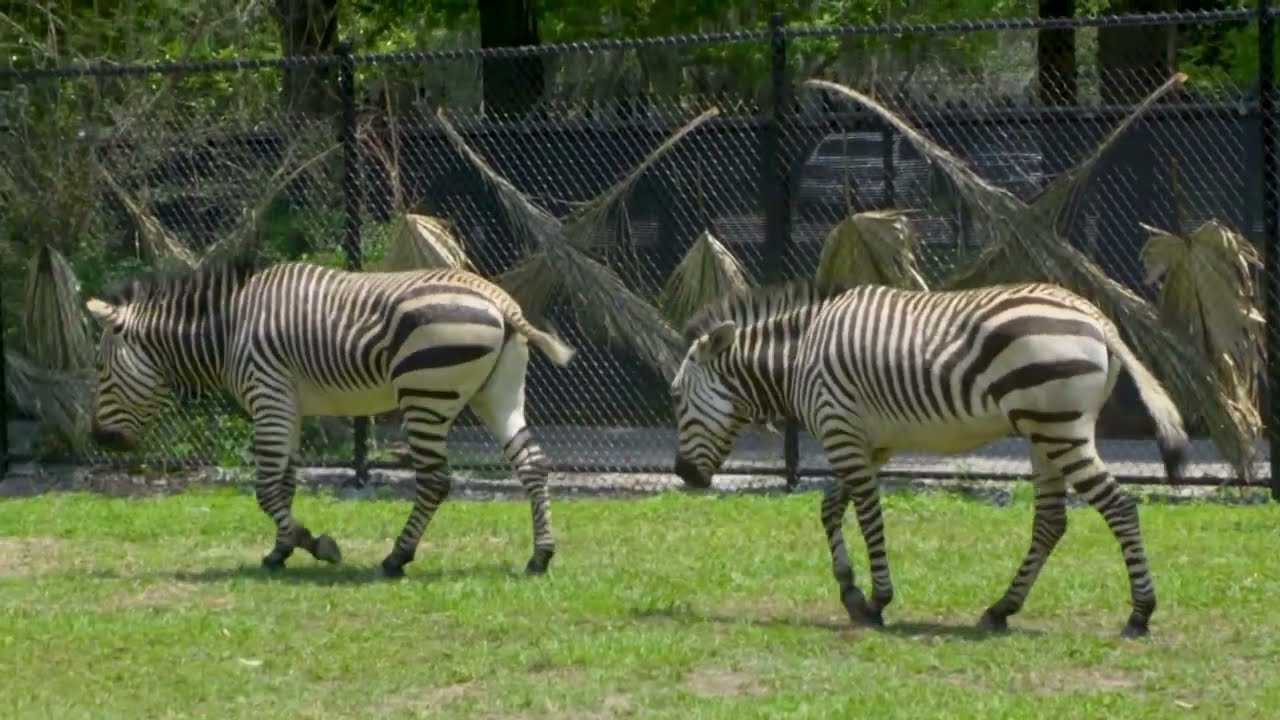
- The ecological significance of Hartmann’s mountain zebras
- Zoo management practices for the care of zebras
- The importance of wildlife conservation and education
- Visitor engagement and educational programs at Audubon Zoo
- Current challenges facing zebra populations in the wild
The introduction of three Hartmann’s mountain zebras at Audubon Zoo represents not only a fascinating addition to their animal collection but also a chance to explore broader themes surrounding wildlife conservation, zoo management practices, and educational outreach efforts. These zebras offer a window into the unique adaptations and ecological roles that ungulates play in their native habitats.
Hartmann’s mountain zebras (Equus zebra hartmannae) are a subspecies of the plains zebra, notable for their distinct stripes and adaptability to hard climates. These zebras are endemic to the mountainous regions of Namibia and South Africa, where they roam in herds. Their stripes serve multiple purposes: they aid in camouflage against predators, regulate body temperature, and facilitate social interactions among herd members. The hairs of the stripes are believed to disrupt the visual perception of predators, particularly when zebras are moving.
In terms of ecology, Hartmann’s mountain zebras fulfill vital roles in their habitats. They are primarily grazers, feeding on coarse grasses and vegetation. By doing so, they help maintain grassland health and promote biodiversity. Their grazing habits encourage the growth of new plants, providing shelter and food for various other species. In areas where these zebras are found, they contribute to nutrient cycling by trampling and fertilizing the soil, enhancing the overall ecosystem.
Zoo management practices play a crucial role in ensuring that animals like the Hartmann’s mountain zebra thrive in a captive environment. At Audubon Zoo, the care procedures are informed by best practices in veterinary care, nutrition, behavioral enrichment, and habitat design. Each zebra undergoes an initial health assessment upon arrival, where veterinarians conduct a thorough physical examination, check for common diseases, and ensure that the animals are free from parasites.
Nutrition is a central aspect of zoo management. Hartmann’s zebras require a balanced diet that mimics their natural foraging behavior. At Audubon Zoo, keepers provide a mix of hay, fresh grasses, and specialized grains designed to meet the dietary needs of these zebras. Hydration is equally crucial; access to clean water is monitored regularly, ensuring that animals remain hydrated, especially during warmer months.
Behavioral enrichment is another vital component of animal welfare in zoos. For Hartmann’s mountain zebras, enrichment activities are designed to stimulate natural behaviors. Zoo staff may introduce novel objects, scents, or even changes in the environment that encourage exploration and social interaction. This not only keeps the zebras mentally stimulated but also fosters physical health by encouraging movement and play.
The role of zoos extends beyond animal care; they are pivotal in wildlife conservation and education. The population of Hartmann’s mountain zebras is diminishing in the wild, primarily due to habitat loss and poaching. Conservation programs aim to protect these zebras and their habitats, raising awareness about the threats they face. Audubon Zoo participates in breeding programs designed to maintain genetic diversity and bolster populations. By showcasing Hartmann’s mountain zebras, the zoo creates an opportunity for visitors to learn about conservation efforts and the ecological significance of preserving biodiversity.
Visitor engagement is central to the mission of Audubon Zoo. The addition of the Hartmann’s mountain zebras enhances visitors’ experiences, as they are often curious and eager to learn. Educational programs are designed to inform guests about the importance of African wildlife, the challenges faced by zebras, and what can be done to help. Hands-on activities, presentations, and guided tours are offered to encourage interactions between zoo staff and the public. This promotes a deeper understanding of the animals and their ecological roles.
Moreover, the presence of these zebras provides an avenue for addressing current challenges contributing to zebra population decline globally. Land degradation, human-wildlife conflict, and illegal hunting are significant issues. Conservation initiatives aimed at sustainable land use practices empower local communities to coexist with wildlife while protecting vital habitats. Education programs at Audubon Zoo aim to cultivate a sense of responsibility among community members regarding local and global conservation issues.
The complexities of maintaining healthy zebra populations in the wild require collaboration among various stakeholders. Zoos, wildlife parks, and non-governmental organizations work jointly to address these challenges. Hartmann’s mountain zebras, being a vulnerable species, highlight the urgency of these actions. The global zoological community supports research that aids conservation strategies, exploring ways to mitigate human impacts and promote sustainable practices.
Further, public interest in unique animal species fosters support for conservation initiatives. By observing the Hartmann’s mountain zebras, visitors develop an appreciation for their importance in ecosystems. This emotional connection can drive advocacy for wildlife preservation, encouraging individuals to contribute to conservation funds, participate in volunteer efforts, or even pursue careers in zoology or ecology.
In summary, the arrival of Hartmann’s mountain zebras at Audubon Zoo offers an engaging opportunity for education and awareness about wildlife conservation. This introduction highlights the critical role zoos play in caring for animals and advocating for species at risk. The ongoing efforts to sustain and protect Hartmann’s mountain zebra populations resonate with the broader goals of the conservation community, emphasizing the interdependency of human and ecological well-being.
Audubon Zoo’s commitment to animal welfare, conservation, and education creates a platform for connecting with diverse audiences. The presence of Hartmann’s mountain zebras becomes not just an attraction but also a stepping stone for inspiring action toward stewardship for wildlife and their habitats. As visitors connect with these fascinating creatures, they become part of a collective mission aimed at fostering a sustainable future for all species on our planet.
*****
Source Description
JB, Selene, and Athena are marking the first time this rare species has been seen here. 🦓 #audubonzoo #zebra #zebras #cuteanimals
