
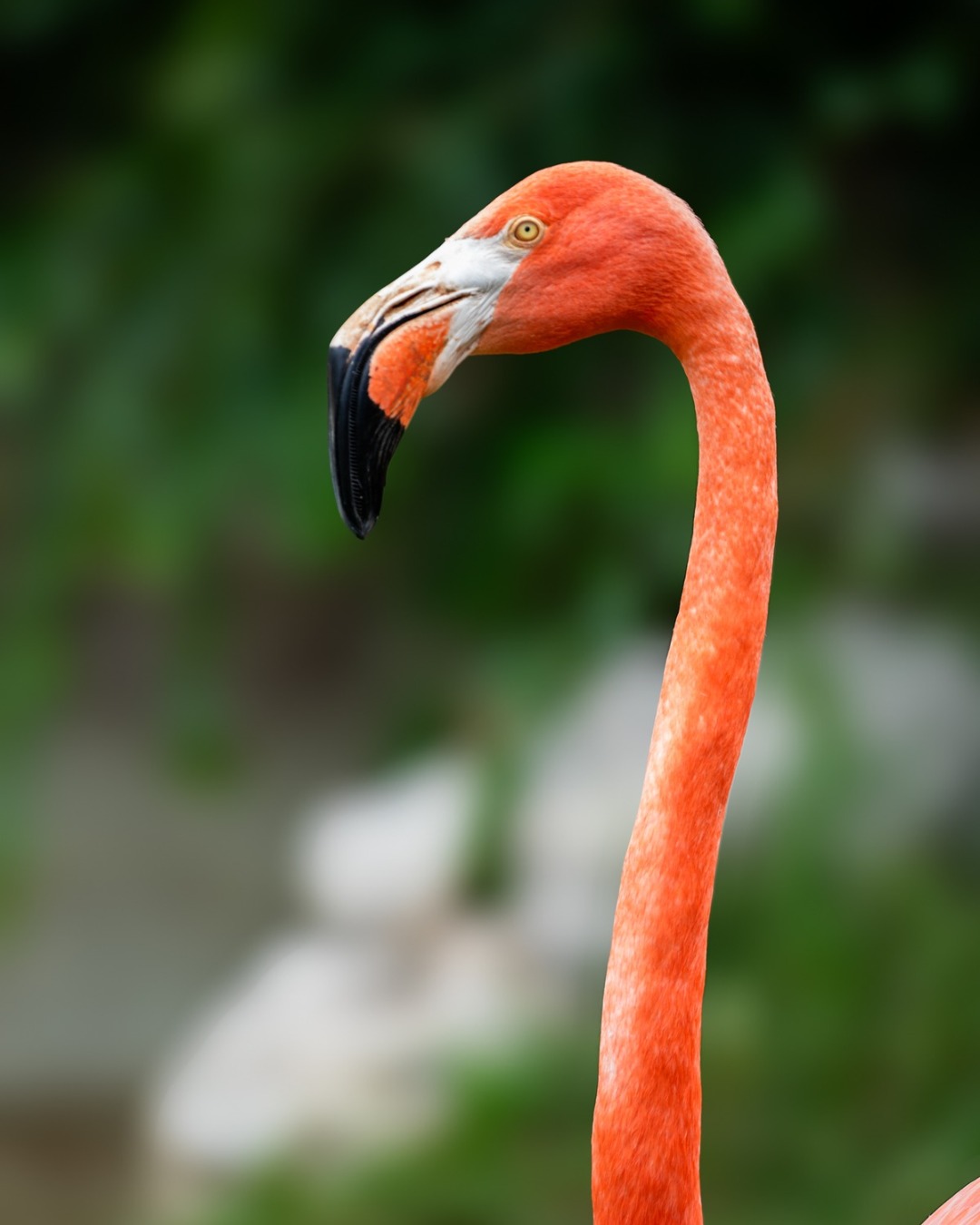
- Flamingo Nesting Behavior
- Construction Materials
- Nest Design and Functionality
- Importance of Habitat and Conservation
- Role of Flamingos in Ecosystems
Flamingo nesting season presents a fascinating view into the reproductive habits of these remarkable birds. Unlike many avian species that typically utilize twigs and leaves, flamingos construct nests primarily from mud. This unconventional nesting behavior showcases their adaptability and resourcefulness in their natural habitats. The nesting period usually occurs during specific times throughout the year, often influenced by environmental conditions and food availability.
During this season, pairs of flamingos collaborate to build nests. They scoop up mud and other materials using their bills, forming a mound that serves as a foundation for their eggs. Each couple strives to create a cup-shaped nest, a design that not only secures the eggs by preventing them from rolling off but also helps protect them from both heat on the ground and potential flooding. This skillful construction indicates a high level of cooperation and communication between the pair, illustrating the social behaviors inherent in flamingo populations.
The materials used for nesting are crucial. Flamingo nests are primarily composed of mud, but they also incorporate grass, leaves, and small sticks, materials that the bird team provides to assist in constructing resilient nests. This combination not only contributes to the nest’s structure but also plays a significant role in temperature regulation and insulation. Loose soil is essential for shaping the nest, as flamingos work to mold and adapt the site to fit their needs.
The design of flamingo nests is particularly interesting. The elevated, mound-like structures keep the eggs safe from ground-level threats, including predators. Raising the eggs minimizes the risk of flooding, especially during rainy seasons. This careful consideration of nest location and design reflects the flamingos’ instinctual understanding of their environment, showcasing their adaptability. The nests typically measure around a foot high and can be found in colonies, an arrangement that offers additional protection from predators through sheer numbers.
Understanding the significance of flamingos extends beyond their nesting habits; it encompasses their role in the ecosystems they inhabit. As filter feeders, flamingos contribute significantly to their environmental health. By sifting through mud and water to obtain food, they help maintain the balance of aquatic ecosystems. Their feeding behavior aerates the substrate, promoting the growth of algae and small invertebrates essential for a healthy aquatic habitat.
Moreover, flamingos serve as indicators of ecological health. Changes in their population and breeding patterns can signal shifts in environmental conditions, making them valuable subjects for research and conservation efforts. Protecting flamingo habitats is crucial, as these environments often face challenges such as habitat destruction, pollution, and climate change. Active conservation programs are necessary to ensure the survival of flamingo populations and their habitats.
The nesting season is also a prime time for research into bird behavior and ecology. Observing the nesting habits of flamingos provides valuable insights into the social structures within their colonies. Researchers often study the coordination among birds during the nesting phase, examining how external factors influence their nesting success. This knowledge can inform broader conservation strategies aimed at protecting not only flamingos but also the intricate ecosystems they help maintain.
Community involvement plays a significant role in flamingo conservation. Local populations can actively participate in maintaining the habitats essential for these birds. Educational programs raise awareness about the importance of preserving wetlands and educating the public about flamingos’ ecological roles. By engaging communities, conservationists can build grassroots support for environmental stewardship initiatives. Such efforts may include clean-up campaigns, restoration projects for wetland areas, and monitoring programs to track flamingo populations.
In recent years, various organizations around the globe have launched initiatives focused on preserving flamingo habitats. These programs often combine scientific research with community outreach and policy advocacy to ensure long-term protections for these unique birds. Through habitat preservation and restoration of important breeding grounds, we can bolster populations of flamingos and foster biodiversity within their ecosystems.
The impact of climate change is another pressing concern for flamingo populations. Rising global temperatures and changing precipitation patterns threaten the delicate balance of their habitats. Saltwater intrusion, due to rising sea levels, can damage the wetlands crucial for nesting and feeding. Additionally, more frequent and intense storms pose risks to nesting colonies, potentially leading to significant losses in breeding success.
To mitigate these issues, conservationists are emphasizing the need for adaptive management strategies. By combining traditional conservation approaches with innovative practices, they can enhance the resilience of flamingo populations. Long-term monitoring of flamingo colonies and their habitats provides essential data that can guide these strategies. This data-driven approach is pivotal in making informed decisions regarding habitat restoration and protection efforts.
Overall, the nesting season of flamingos highlights a network of behaviors deeply intertwined with their ecological roles. Their mud mound nests are marvels of construction, designed to protect and nurture their future generations. As we celebrate flamingo nesting season, it is vital to recognize the broader implications of their existence in our ecosystems. The protection of these birds goes hand in hand with the health of the environments they inhabit.
By observing and understanding the nesting behavior of flamingos, we gain insight into not only their biology but also the importance of ecological conservation. As we take action to protect their habitats, we also safeguard countless other species that share their environment. Engaging communities, supporting research, and enhancing conservation efforts can create a sustainable future for flamingos and the vital ecosystems they represent. Their nesting season is an annual reminder of the intricate relationship between species and their habitats, emphasizing the responsibility we carry to preserve the natural world.
*****
Source Description
It’s flamingo nesting season! 🦩🪺 Our flamingos are getting to work building their nests, but not with mostly sticks and twigs like many birds. Flamingos build mud mound nests on the ground, and our Bird team helps by providing materials like loose soil, grass, leaves, sticks and small dirt mounds. From there, the flamingos use their bills to scoop and shape their nest materials just right.
Each pair builds their nest together, creating a cup-shaped top to keep eggs from rolling off. These elevated nests also help protect from ground-level heat and flooding.
