
- Understanding the significance of flamingo naming contests in zoo engagement
- Overview of Mai Tai’s unique attributes that led to her win
- Insights into the ecology and behavior of flamingos
- The importance of public participation in wildlife conservation efforts
- Future initiatives and contests to support flamingo and wildlife awareness
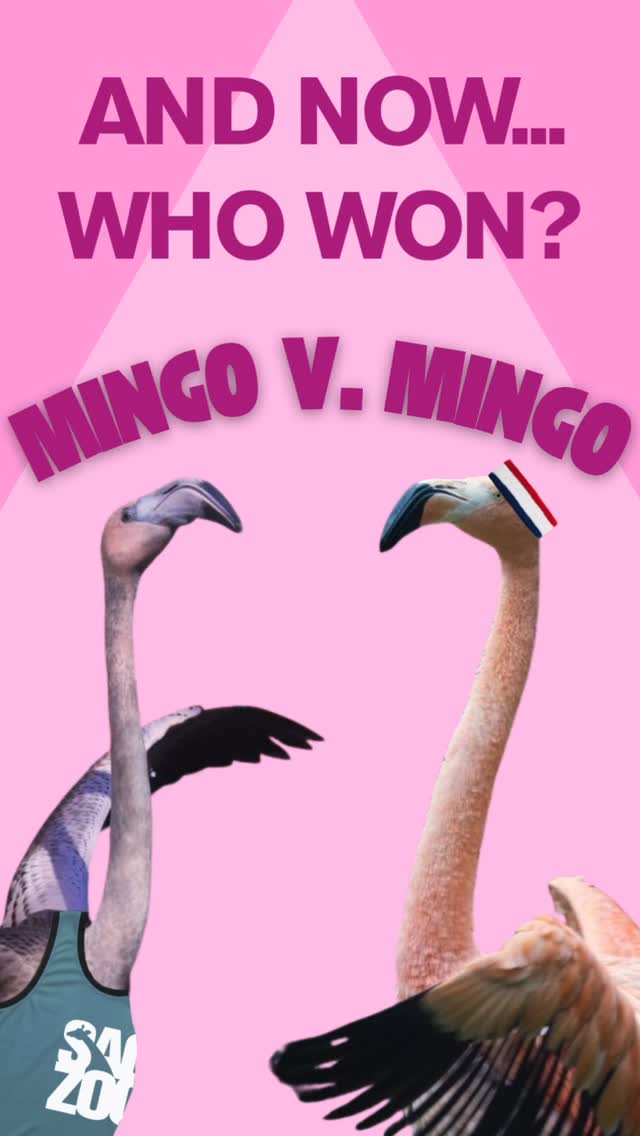
Flamingos have always captivated the imagination with their vibrant colors and unique social behaviors. Recently, a friendly competition called “Mingo V Mingo” showcased these birds‘ popularity. This contest engaged the public in a fun way to vote for the best flamingo name. Mai Tai emerged victorious, receiving not only accolades but also a spotlight on her distinct characteristics.
The significance of naming contests extends beyond mere entertainment. These competitions foster community engagement, allowing individuals to feel a connection to zoo inhabitants. They create a sense of ownership, enabling participants to support wildlife conservation actively. By engaging the public in fun and imaginative ways, zoos can raise awareness about the challenges animals face in their natural habitats.
Mai Tai, the contest winner, is no ordinary flamingo. Known for her striking looks and personality, she represents the quintessential flamingo experience. Her standout features, vibrant pink hues, and graceful stature embody the natural beauty that these birds offer. This specific species, the greater flamingo (Phoenicopterus roseus), is recognized for its impressive height and long, slender legs. They can stand up to 5 feet tall, with wingspans reaching nearly 6 feet. These attributes contribute to their majestic presence in both natural and captive environments.
Flamingos are highly social birds, often found in large colonies. This social structure is crucial for their survival. Living in groups helps individuals find food more efficiently and provides protection against predators. Flamingos feed by stirring up mud and water with their feet. Their specialized beaks allow them to filter out tiny food particles like algae and small crustaceans. The carotenoid pigments found in their food lead to their signature pink color. Ironically, in captivity or environments where their diet lacks these pigments, flamingos may appear white or pale.
The biology of flamingos is equally fascinating. Their reproductive behaviors are complex and require a specific environmental setup. Nesting typically occurs in salty or alkaline waters, where they build mound nests made from mud and plant materials. Mating rituals involve elaborate courtship dances that not only display their vibrant plumage but also help to strengthen pair bonds. These behaviors highlight the importance of social interactions in maintaining healthy populations.
Public participation, such as voting in the Mingo V Mingo contest, plays a critical role in wildlife conservation. Educating individuals about flamingos and their ecosystems is vital in fostering stewardship. In recent years, conservation efforts have expanded to include innovative public engagement strategies, such as naming contests. These initiatives raise awareness about species conservation and the threats these birds face, including habitat destruction and climate change.
As participants vote and engage with flamingo-themed events, they cultivate a sense of responsibility toward conservation efforts. This emotional investment is vital for fostering dedicated advocates for wildlife. When people feel a connection to specific animals, they are more likely to support conservation programs financially or through volunteer work. This cycle of engagement and commitment is powerful in the fight to protect species like flamingos and their habitats.
The Mingo V Mingo contest represents just one of the many ways zoos can engage the public while promoting awareness around pressing conservation issues. Future initiatives can incorporate educational components, such as the importance of wetlands and the specific threats facing flamingo populations. Workshops, social media campaigns, and community events can further elaborate on flamingo biology and conservation needs.
As we celebrate Mai Tai’s triumph, we must also recognize the challenges flamingos face in their natural habitats. Climate change poses significant risks to wetland ecosystems, which are crucial for flamingo survival. Changes in water salinity, increased pollution, and habitat destruction due to urban development exacerbate the decline of these magnificent birds. Engaging the public in discussions about these threats raises awareness and drives action.
Additionally, protecting flamingos requires a multifaceted approach, involving local communities, policymakers, and conservation organizations. Through collaborative efforts, stakeholders can develop informed strategies tailored to protect wetland habitats. Educational campaigns must be continuous, emphasizing the role that individuals, organizations, and governments play in conservation. This highlights that every action, no matter how small, contributes to safeguarding these species and their ecosystems.
In the future, more naming contests similar to Mingo V Mingo can be organized, enchanting audiences and igniting a passion for wildlife. By encouraging public interaction and reflection, such activities can effectively convey the significance of species protection and the beauty of biodiversity. These initiatives will also keep the conversation alive about the variety of wildlife that exists, reinforcing the notion that every creature plays a vital role in the ecosystem.
Flamingos are not merely iconic birds; they exemplify the interconnected nature of ecosystems. The delicate balance between environmental health and species survival brings into focus the importance of informed action. In addition to naming contests, public outreach can include educational programs focused on wetland conservation, where communities learn about the intrinsic value of protecting natural habitats. This knowledge disseminates the notion that flamingo conservation is an integral part of broader environmental efforts.
To support flamingo populations and their habitats, people can participate in or donate to conservation organizations dedicated to preserving wetland ecosystems. Simple actions, such as reducing plastic use and supporting sustainable practices, can have a lasting impact on the health of these environments. By choosing to engage more deeply with wildlife conservation, individuals can contribute significantly to preserving the ecosystems that flamingos and countless other creatures call home.
Mai Tai’s victory in the Mingo V Mingo contest serves as a reminder of the joy that wildlife can bring into our lives. It illustrates the valuable role of zoos in connecting people with animals and fostering an appreciation for biodiversity. Through continued public engagement and education, we can work towards a future where flamingos and their habitats are protected for generations to come.
Through these initiatives, we can shine a light on the critical role we all play in conservation. Celebrating the charm of flamingos—and Mai Tai’s delightful win—points to a wider cause that continually needs our attention and action. Participating in events that spotlight species such as these helps cultivate a culture of conservation, one name at a time.
*****
Source Description
Speaking of flamingos, it’s time to see who won Mingo V Mingo! 🦩🏆
This past month, through posts and stories, some of our flamingos battled it out on the court to determine who has the best name. The public has spoken.
Congratulations to Mai Tai on the incredible win! And just what did she win? Unbreakable bragging rights amongst the flock.
Thank you to everyone who voted!
