
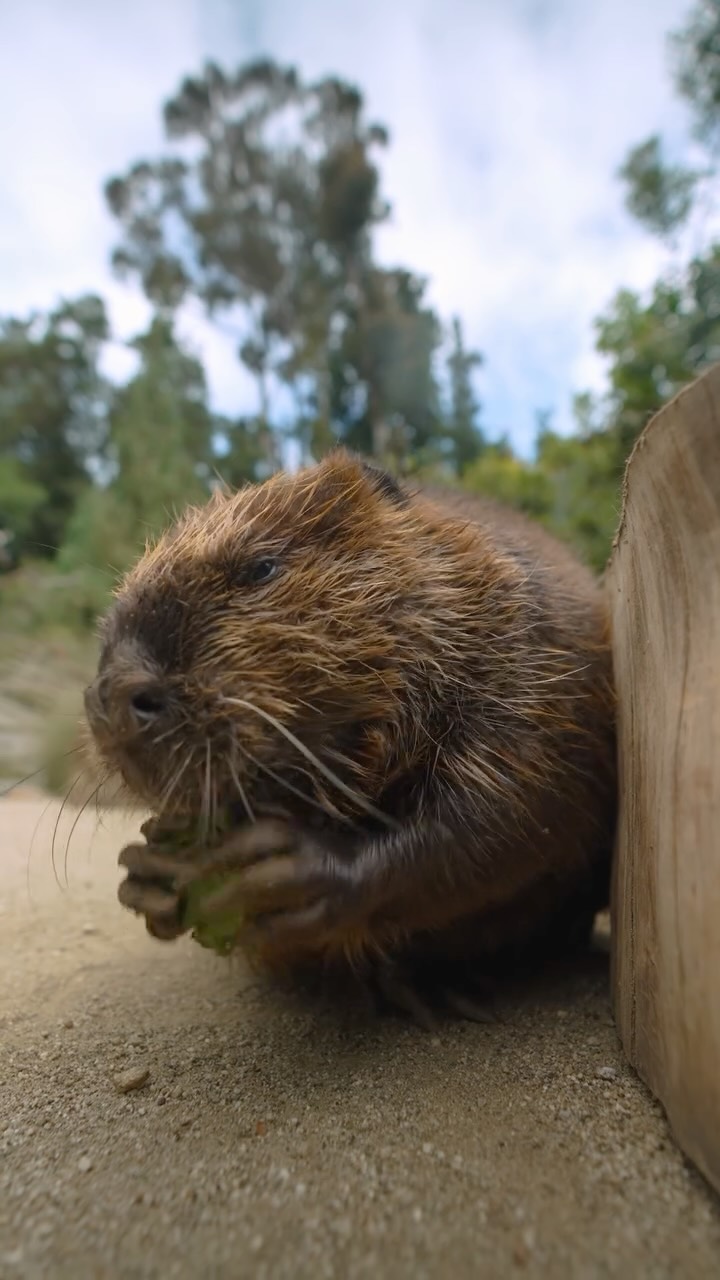
- The role of Peanut the animal in locating snacks.
- Behavioral attributes of peanut-seeking animals.
- The significance of foraging behaviors in wildlife.
- How different species adapt to find food.
- Conservation implications related to animal foraging behaviors.
Understanding how Peanut, the animal in question, expertly locates snacks can reveal much about her species and animal behavior as a whole. Animals have evolved various strategies to find food, and each species exhibits unique adaptations. Why is foraging essential, and how can it provide insight into the behavior of a particular species? Let’s explore these aspects in depth.
Peanut exemplifies a character trait common among many animals: the ability to locate snacks efficiently. This behavior is intrinsic to her survival and well-being. In the wild, acquiring food is critical, and animals develop specialized skills to meet their nutritional needs. For Peanut, pinpointing snacks may involve several senses—sight, smell, and even hearing.
For instance, many species rely heavily on olfactory cues to find food. Dogs are an example; their keen sense of smell allows them to detect food from considerable distances. Similarly, Peanut may benefit from an advanced sense of smell, enabling her to detect subtle odors that indicate the presence of her favorite treats. This ability not only helps her find snacks but may also play a critical role in social interactions, as food is often a central component in animal communities.
Behavioral attributes provide valuable insight into why and how certain animals excel at locating food. Peanut likely employs a combination of visual hunting and olfactory searching, indicating a sophisticated approach to foraging. Squirrels, for example, are adept at locating hidden food caches due to their powerful memory and acute sense of smell. This combination of skills allows animals like Peanut to thrive in various environments.
The importance of foraging behaviors cannot be understated. Finding food is not merely about sustenance; it affects an animal’s social structure, reproductive success, and even territorial behavior. In species that rely on group living, food availability can dictate social dynamics. For instance, within a troop of baboons, food distribution impacts dominance hierarchies and mating opportunities. Peanut’s snack-locating abilities may thus influence her social interactions within her group.
Adaptations related to food discovery vary widely among different species. Some animals, like the woodpecker, have evolved special physical traits, such as powerful beaks, to access hidden food sources. Others, like elephants, have developed intelligence that aids in finding food across vast landscapes. This adaptability is crucial in a world where changing environments and human encroachment alter available resources.
Exploring these foraging behaviors also has significant conservation implications. As habitats change due to urbanization, climate change, and agriculture, animals like Peanut may struggle to find their preferred snacks. Understanding their foraging patterns can guide conservation efforts, ensuring that we protect those spaces vital for their survival. By studying how species adapt to their environments, we gain insight into how we can support wildlife in the face of ongoing ecological challenges.
Wildlife conservation efforts increasingly integrate the study of animal foraging behaviors. By observing Peanut’s methods for locating snacks, researchers can gather data relevant to broader ecological concerns. For example, if certain snacks are disappearing from her habitat, it may signal deeper issues within the ecosystem, such as habitat loss or pollution. Identifying these feeding patterns enables conservationists to react proactively, working to safeguard not only Peanut and her species but the entire ecological community.
The significance of Peanut’s snack location skills extends beyond her individual well-being. It engages with a network of ecological interactions that impact multiple species. Animals influence plant populations through seed dispersal, while plant availability can dictate animal population dynamics. Thus, an understanding of foraging behavior is critical in promoting biodiversity and ecological health.
Peanut’s characteristic snack-seeking prowess reflects a broader range of remarkable adaptations in the animal kingdom. Many animals have evolved specialized skills, optimizing their foraging efficiency based on their ecological niches. By observing and studying these behaviors, we can refine our understanding of animal behavior, enhance our conservation efforts, and promote a harmonious coexistence with our wildlife counterparts.
For instance, consider how ants locate food. They use pheromones to communicate with one another about food sources, creating a highly effective foraging system. This collective behavior not only benefits individual ants but also contributes to the colony’s overall success. Such examples highlight the diverse strategies animals use to thrive in their environments.
In summary, Peanut’s ability to locate snacks embodies a complex interplay of sensory skills, behavioral adaptations, and ecological dynamics. As we expand our knowledge of such behaviors, we gain clarity on the intricate connections within ecosystems, urging us to consider our role in preserving these vital relationships. Understanding how Peanut and her peers forage informs not only conservation strategies but also our collective responsibility to maintain a balanced ecosystem, highlighting the urgent need for stewardship of our natural world.
In examining Peanut and her extraordinary knack for locating snacks, we unearth an avenue to explore animal behavior, ecological health, and conservation practices. The skills that animals hone not only contribute to their survival but also serve as critical factors in understanding and addressing environmental changes.
Every detail matters. As we refine our focus on the natural world, we must prioritize not just understanding animal behaviors, like Peanut’s searching for snacks, but also embodying a commitment to protecting the habitats that nurture this essential wildlife.
Through comprehensive research and targeted conservation initiatives, we can contribute to maintaining the equilibrium within our ecosystems. Peanut serves as a symbol of the countless ways animals interact with their environments, understanding their needs as vital to not only their survival but ours as well. The ability to locate snacks is more than a trivial trait; it encapsulates the essence of biological adaptability and the urgent need to protect the ecosystems that foster such incredible life forms.
*****
Source Description
One thing about Peanut… she’s going to locate the snacks 🥜
