
- The role of zoos in wildlife conservation efforts
- Understanding animal behavior through observation
- The importance of visitor education and engagement
- Zoo management and best practices
- Future challenges and opportunities in zoological facilities
Zoos play a crucial role in the conservation of global wildlife. They are not mere attractions but centers for education, research, and animal welfare. Since their inception, zoos have evolved from simple menageries to advanced institutions dedicated to preserving endangered species and educating the public on conservation issues.
The role of zoos in wildlife conservation efforts cannot be overstated. Many species face extinction due to habitat loss, poaching, and climate change. Zoos actively participate in breeding programs aimed at increasing genetically diverse populations of endangered species. The Association of Zoos and Aquariums (AZA) oversees these breeding efforts, which are vital for maintaining stable populations of species such as the California condor and the black-footed ferret. These efforts also contribute to the reintroduction of animals into their natural habitats. Successful reintroduction strategies require extensive research and preparation, often involving collaboration with environmental organizations and wildlife agencies.
Understanding animal behavior is at the core of zoo operations. Observational studies in zoos provide valuable data on animal interactions, mating rituals, and foraging strategies. These insights can lead to improved care practices and environmental enrichments that enhance animal welfare. By replicating natural habitats within zoos, staff can observe how animals respond to stimuli similar to what they would encounter in the wild. This knowledge is crucial, as it informs the design of spaces that cater to an animal’s behavioral and psychological needs.
Visitor education and engagement are equally important components of modern zoos. Through educational programs and interactive exhibits, zoos work to raise awareness about conservation challenges and the importance of biodiversity. Engaging storytelling, hands-on activities, and informative presentations foster a deeper connection between visitors and the wildlife on display. This emotional connection often inspires visitors to take action in their own communities, whether through wildlife advocacy, sustainable practices, or support for conservation organizations.
Zoo management encompasses everything from daily operations to long-term strategic planning. Effective communication and teamwork among staff members are essential for creating a harmonious environment for both animals and visitors. Staff should provide animals with the basic needs of fresh food, health care, and stimulation while preserving an environment conducive to learning for guests. Implementing state-of-the-art veterinary practices also supports animal health and welfare, enhancing the overall visitor experience. Managers face numerous challenges, from budget constraints to understanding shifting public perceptions about animal care. Transparent policies regarding animal husbandry and conservation efforts can build trust and foster community support.
Future challenges and opportunities in zoological facilities are shaped by global issues such as climate change and habitat destruction. Zoos must adapt to these changes while addressing public expectations regarding ethical animal treatment. Innovation in breeding programs, conservation partnerships, and visitor engagement strategies will be necessary for zoos to thrive. The integration of technology, such as virtual reality experiences, can enhance educational outreach and broaden audiences. Collaborations with the scientific community can also spur research initiatives, contributing to a greater understanding of species survival strategies in an ever-changing environment.
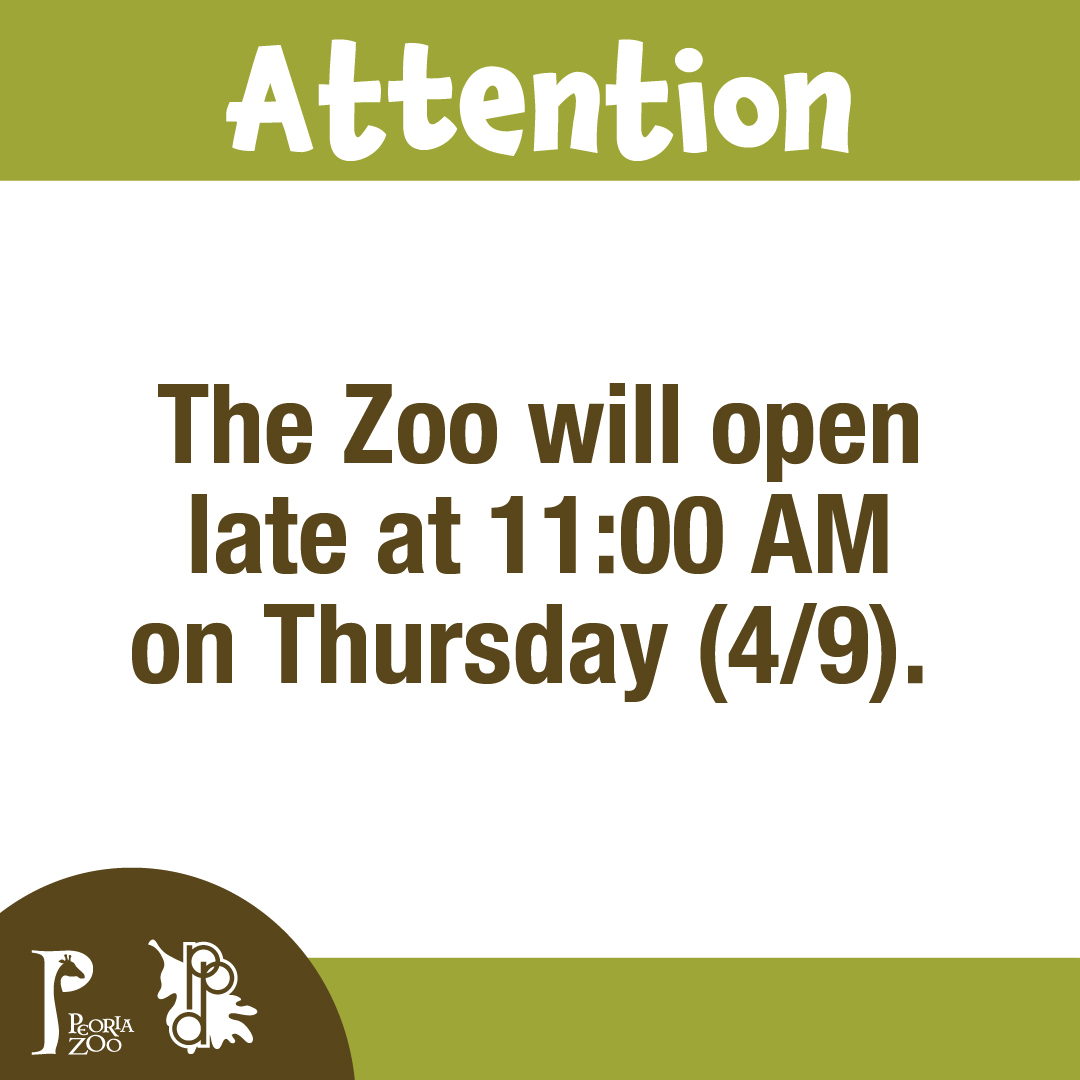
As we acknowledge the adjustment to new operating hours, such as when the Zoo opens at 11:00 AM on Thursday, April 9, it’s vital to recognize the underlying purpose of these institutions. Changes in schedule often arise from a desire to improve visitor experiences or accommodate necessary care routines for the animals. It is critical for guests to plan their visits accordingly to take full advantage of what the zoo has to offer. The anticipation of welcoming visitors underscores the communal aspect of zoos, where shared experiences around animals foster education, appreciation, and advocacy for conservation.
Understanding the multifaceted role of zoos enhances public appreciation for wildlife and the challenges they face. By focusing on conservation, research, education, and ethical management, zoos contribute to vital efforts working toward preserving our planet’s biodiversity. Each visit, even one timed around changes in operation, can help cultivate a sense of responsibility and stewardship among guests. These institutions stand at the intersection of science, education, and community engagement, striving to protect animals and their habitats.
Visitor engagement, stemming from various educational initiatives, aims to inform the public about the significance of biodiversity. For example, programs focused on the plight of endangered species encourage visitors to reflect on their own environmental impact. Exhibits that explain the interconnectedness of ecosystems showcase how individual species contribute to overall ecological balance. The more informed the public is about conservation challenges, the more likely they are to support initiatives aimed at preserving wildlife.
Education efforts also extend beyond the zoo’s gates. Zoos often partner with schools and community organizations to bring conservation education into classrooms. These partnerships demonstrate the relevance of wildlife issues to children’s lives, offering a conduit for broader discussions about environmental responsibility. Workshops, field trips, and online resources provide robust educational opportunities, encouraging students to engage with nature actively.
In addition to educating the public, organizations involved in zoology and wildlife conservation must confront criticism about animal captivity. Critics often argue that keeping animals in enclosures, no matter how naturalistic, is unethical. However, proponents argue that well-managed zoos provide essential sanctuary for species on the brink of extinction. They serve as a last line of defense against poaching and habitat destruction, offering a safe haven while supporting conservation programs.
Understanding the viewpoints on animal welfare is essential for effective communication and the continued success of zoological efforts. Zoos must practice transparency regarding animal care policies and emphasize their commitment to ethical standards. Outreach programs focused on animal welfare help demystify common misconceptions about animals in captivity.
Additionally, zoo managers face operational challenges, such as keeping facilities financially viable while fulfilling their mission. Creative approaches, such as developing diverse revenue streams through membership programs, events, and merchandise sales, can augment funding. Capitalizing on social media for promotional campaigns also expands reach and drives visitor engagement.
Zoos serve as critical hubs of knowledge, collaborating with researchers, conservationists, and educators to share information that can propel wildlife conservation efforts forward. By integrating scientific research within their frameworks, zoos enhance our understanding of animal behavior and conservation strategies, making valuable contributions to the field of zoology. Partnerships with universities and research institutions not only promote knowledge sharing but also foster a culture of innovation within these organizations.
As climate change continues to impact wildlife habitats, zoos must remain adaptable. Addressing challenges, such as habitat loss and species migration, will require creative solutions. Some organizations are experimenting with ex-situ conservation strategies that prioritize population stability in managed environments. The ability to relocate vulnerable species to safer habitats is an evolving area of research that can be informed by studies conducted in zoos.
Conservation legislation also plays a vital role in shaping the operations of zoos. Participating in policy advocacy allows zoos to influence laws that protect wildlife. Active involvement in legislative processes ignites public awareness and spurs collective action to safeguard threatened species. By aligning their mission with national and global conservation agendas, zoos can amplify their impact.
Ultimately, the evolution of zoos reflects a broader shift in societal values. Increased awareness of environmental issues prompts greater public scrutiny of animal welfare and conservation practices. Educating the public while fostering love and respect for wildlife is central to a zoo’s mission. Engaging visits and educational outreach build bridges between people and nature, cultivating a culture of conservation.
As institutions navigate the path forward, they hold the potential to inspire the next generation of conservationists. The value of these experiences amplifies each time the gates open, whether at the regular or adjusted hours. One visit has the power to ignite a passion that fuels lifelong advocacy for wildlife. This commitment requires collaborative efforts from all sectors of society, ensuring a brighter future for our planet’s diverse inhabitants.
*****
Source Description
📣 Attention!
Please note that the Zoo will be open at 11:00 AM on Thursday, April 9, instead of our regular 10:00 AM opening time.
We appreciate your understanding and encourage you to plan your visit accordingly. We look forward to welcoming you soon!
