
- Understanding Dolphin Behavior and Social Structure
- The Importance of In-Water Programs for Conservation
- The Role of Zoological Facilities in Wildlife Education
- Economic Factors of Flash Sales and Pricing Strategies
- How Dolphin Interactions Can Benefit Human Wellness
The fascinating world of dolphins extends far beyond their playful nature and acrobatic skills. These intelligent marine mammals exhibit complex social structures and behaviors that have intrigued researchers and communities alike. Understanding dolphin behavior and social structure enriches our appreciation of these remarkable creatures and enhances our commitment to their conservation.
Dolphins are social animals that thrive in groups called pods. These pods can range from a few individuals to over a hundred. The social hierarchy within these pods is typically matriarchal, where females often take the lead in nurturing and guiding the group. Dolphins communicate through a variety of clicks, whistles, and body language, showcasing a complex social interaction model that can sometimes resemble human-influenced hierarchies. Research indicates that certain dolphin species, such as the bottlenose dolphin, exhibit lifelong bonds with family members, providing insights into their emotional intelligence. Observations of cooperative hunting techniques and protective behaviors highlight the communal nature of dolphin life, underscoring the significance of their social structures in survival.
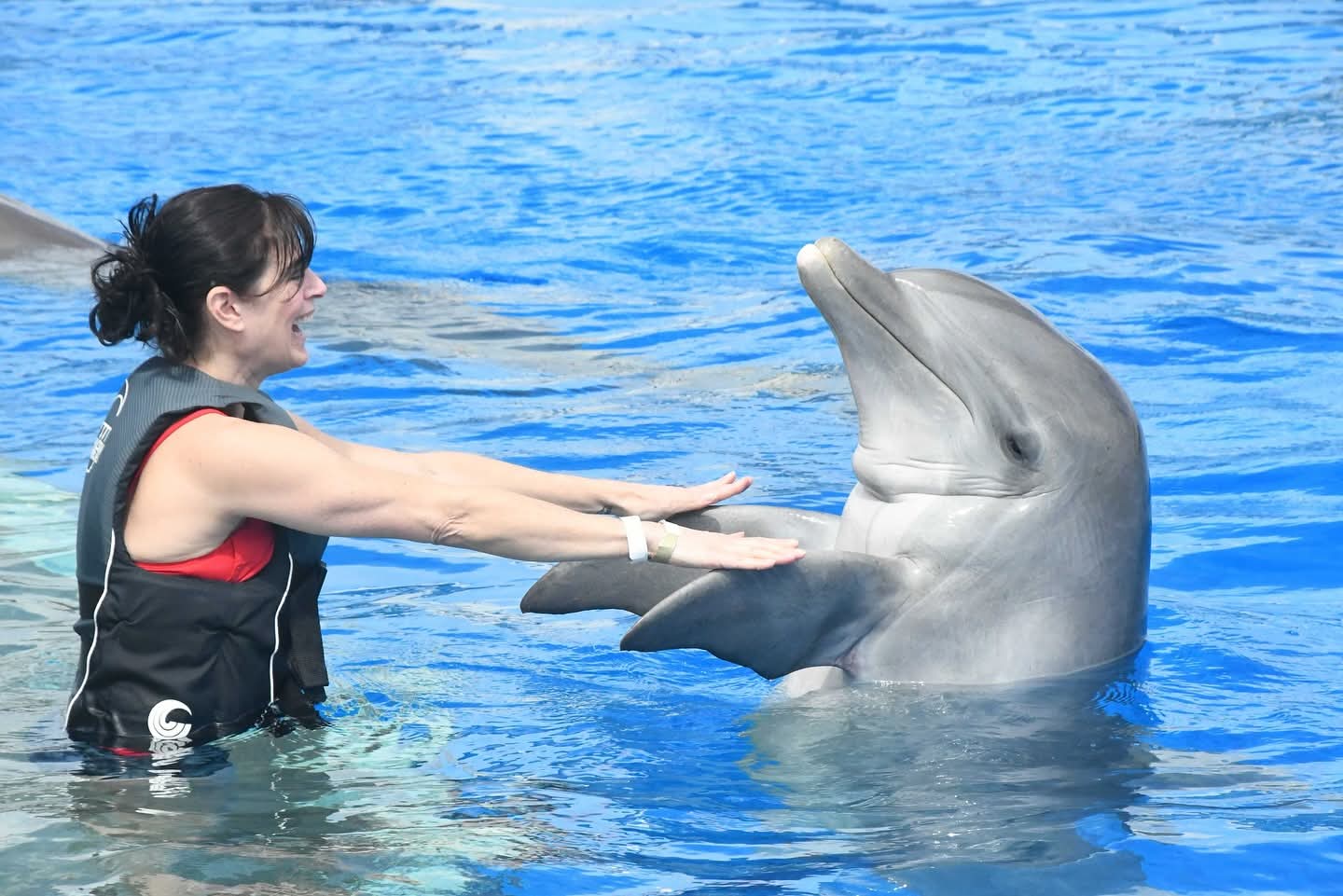
In-water programs, especially events like FLASH SALE FUN!, play an essential role in promoting wildlife conservation. These programs not only create memorable experiences for participants, but they also serve broader ecological objectives. Engaging the public in safe, ethical interactions with dolphins fosters appreciation and respect for marine life. When individuals swim and interact with dolphins, they often leave with a deeper understanding of these animals and their ecosystems, which may inspire further interest in conservation activities.
In-water programs have increased visibility for marine conservation initiatives. When participants learn about dolphin behavior, habitat, and threats they face—such as pollution and climate change—they are better equipped to advocate for their preservation. Profits generated from these programs often contribute to research, rehabilitation, and conservation efforts, demonstrating how recreational activities can directly impact wildlife preservation.
Zoological facilities have become pivotal in wildlife education and conservation awareness. They serve as platforms for visitors to connect with the animals and learn about their natural habitats. Programs aimed at fostering public understanding of dolphin behaviors and environmental issues contribute to a more informed public. Engaging experiences create opportunities for dialogue about conservation challenges such as habitat destruction, marine debris, and pollution.
Educational programs are anchored in research and scientific practices, bridging the gap between human experiences and wildlife protection. Facilities often conduct hands-on experiences, showing how essential it is to care for ecosystems and raise awareness about species-specific challenges. They host activities like enrichment programs, where the goal is to stimulate dolphins mentally and physically. Showcasing natural behaviors through educational demonstrations provides valuable insights into dolphin biology and ecology, which can enhance life-long learning for visitors.
Economic factors also play a critical role in motivating attendance during events such as FLASH SALE FUN!. Pricing structures aimed at lowering entry barriers attract families and individuals who may not otherwise engage in wildlife interaction experiences. A 50% discount during a flash sale effectively offers financial incentives for participation, which can lead to increased visitor numbers in a short period. This aligns with broader marketing strategies and stimulates onsite economic activity, from ticket sales to souvenirs.
However, careful pricing strategies are crucial to maintain ethical operations. The funds generated during flash sales often go directly into preserving dolphins and their habitats. The financial gains allow for continued research and development of conservation efforts, highlighting a cycle where economic activities contribute to ecological stewardship.
Apart from the conservation message, dolphin interactions can have profound benefits for human wellness. Engaging with dolphins can promote mental health and well-being. Studies show that positive experiences with animals can reduce stress, lower blood pressure, and even improve mood. Swimming with dolphins fosters joy, laughter, and a connection to nature, providing therapeutic benefits that transcend mere entertainment.
The interactive experience allows participants to form emotional connections with these marine mammals, which can lead to greater empathy towards wildlife conservation. Engaging in activities that promote well-being attracts diverse audiences to the marine environment, educating them while also enhancing their health.
As the marine environment faces numerous threats, programs like FLASH SALE FUN! are essential. They promote dolphin interaction while raising awareness about their ecological importance. Participants not only enjoy a thrilling experience but also contribute to a wider narrative of conservation and stewardship.
In summary, understanding dolphin behavior and social structures bolsters our appreciation for these magnificent creatures. Engaging in in-water programs facilitates personal connections and conservational awareness. Zoological facilities provide educational frameworks that elevate public interest and promote conservation efforts. Economic strategies like flash sales can highlight the benefits of wildlife experiences while ensuring funds support essential conservation initiatives. Dolphin interactions extend beyond entertainment, positively impacting human wellness and fostering a collective desire for environmental stewardship. This interconnectedness between humans and dolphins helps forge a more sustainable future for both.
*****
Source Description
🎉 FLASH SALE FUN! 🎉 Ready to swim, splash and smile? Our dolphins are throwing a fin-tastic party all weekend and you’re invited! Enjoy 50% off all in-water programs Nov. 7-9 with code FS50! Let a dolphin be your weekend bestie!💙✨
