
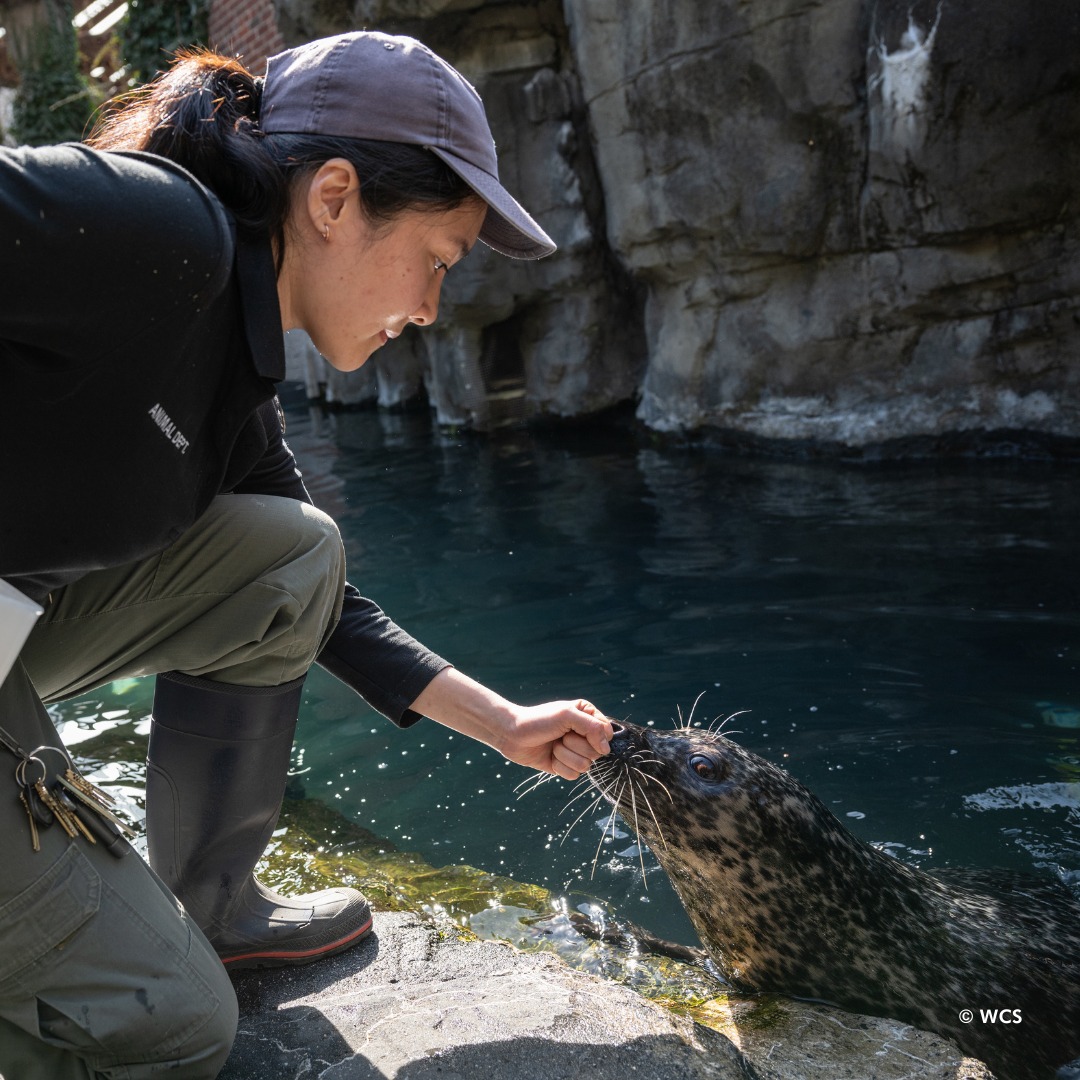
- Understanding the Role of Zoo Keepers in Conservation
- Engaging Activities for Young Learners
- The Importance of Ambassador Animals
- Learning Through Play: Games and Interactive Training
- Registering for the Jr. Keepers Program
The Calling all ‘Junior Keepers’ program designed for K-2nd graders offers a unique insight into the daily responsibilities of zoo keepers, illuminating their vital role in wildlife conservation and animal care. During this hands-on experience, children will explore what it means to be a keeper at the prestigious Central Park Zoo.
Zoo keepers are essential custodians of animal welfare and conservation efforts. They not only care for animals but also monitor their health, behavior, and habitats. Keepers help educate the public on the significance of preserving wildlife. By engaging children in the zoo’s daily activities, the program helps cultivate a new generation of animal advocates. Participants will gain a better understanding of how care routines impact the health and well-being of the zoo’s diverse animal population.
Engagement is a cornerstone of the Junior Keepers program. Activities are thoughtfully constructed to ensure that children are both entertained and educated. Young participants will engage with hands-on activities that mirror real-life tasks performed by zoo keepers. These activities might include food preparation for different species, habitat enrichment exercises, or even mock veterinary check-ups. Such experiences instill a sense of responsibility and appreciation for animals, enhancing children’s interest in wildlife conservation.
One highlight of the program is the opportunity to meet an ambassador animal. These animals are typically species that are more accustomed to human interaction, making them ideal for educational purposes. By interacting with these ambassadors, participants can better understand animal behaviors, their habitats, and the various ecological threats facing different species. Such firsthand experiences can solidify the connection between young learners and the natural world, reinforcing the importance of caring for all living things.
Educational games are another key component of the program. Designed to foster teamwork and problem-solving skills, these games often involve animal care themes that align with ecological principles. For instance, children might engage in a scavenger hunt based on animal diets, reinforcing knowledge about herbivores, carnivores, and omnivores. Through these activities, youngsters not only have fun but also absorb significant information about animal biology and habitat conservation, promoting an understanding of ecological relationships.
Participants will have opportunities to visit various zoo exhibits, allowing them to observe animals in their environments. This part of the program ties together the lessons learned through games and direct interaction with ambassador animals. Youngsters will gain context by seeing how different species adapt to both natural and artificial habitats. These visits to exhibits complement the educational games and activities, offering a well-rounded learning experience. Interactive learning fosters a deeper connection to the subject matter, encouraging children to ask questions and seek answers about wildlife and the environment.
Engagement extends to the registration process as well. The first session of the Junior Keepers program takes place on Saturday, September 27. It is easily accessible for families wishing to give their children a hands-on experience at the zoo. Interested parents should consider registering their children in advance to secure a spot, as spaces may fill quickly. The link for registration is available in the zoo’s profile, providing straightforward access to details on pricing, session times, and additional class information.
Beyond immediate educational benefits, participating in the Junior Keepers program empowers children to think critically about the environment. Exposure to the concept of stewardship early in life promotes lifelong values centered on conservation and animal welfare. Young learners will leave with the knowledge that their actions can impact wildlife positively, whether through recycling, habitat preservation, or simply advocating for animal rights.
The integration of emotional and social learning in this program shouldn’t be overlooked. Skills such as communication, cooperation, and empathy are essential as children work together to solve tasks and games centered on animal care. As groups navigate various activities, they learn to appreciate different perspectives while developing friendships that can foster a sense of community around shared passions.
The educational components of the program align with common core learning standards, making it a beneficial experience for school-aged children. While having fun, participants engage in critical thinking, develop communication skills, and learn cooperative strategies. Each game and activity is designed with specific educational goals in mind, promoting cognitive and social development in a supportive environment.
Overall, the Calling all ‘Junior Keepers’ program is a blend of fun, education, and meaningful experiences. It empowers young learners by equipping them with foundational knowledge about wildlife conservation. Through hands-on activities, games, and personal interactions with animals, children become aware of the profound impact they can have on the world around them.
As children discover what it takes to be a keeper, they are also introduced to broader themes of environmental responsibility. These lessons can inspire a lifelong commitment to conservation efforts. Understanding the delicate balance of ecosystems helps children appreciate the complexity of wildlife and the responsibilities humans have toward it.
In summary, the Calling all ‘Junior Keepers’ program at Central Park Zoo presents a unique opportunity for children in K-2nd grades to engage actively in learning about animal care and conservation. The combination of direct animal interactions, educational games, and exhibit tours promotes active engagement and knowledge retention. These methods not only educate young minds but foster an intrinsic love for wildlife and a commitment to preserving it for future generations. Be sure to secure a spot for your child today, as spaces are limited.
*****
Source Description
Calling all ‘Junior Keepers’ K-2nd grade! Join us for this hands-on program, and discover what it takes to tackle the daily responsibilities of the Central Park Zoo’s keepers. We’ll play animal care-themed games, meet an ambassador animal, and visit zoo exhibits as part of our training! The first session takes place on Saturday, September 27. Register today: Link in Profile.
📸: WCS photographer, Terria Clay.
