
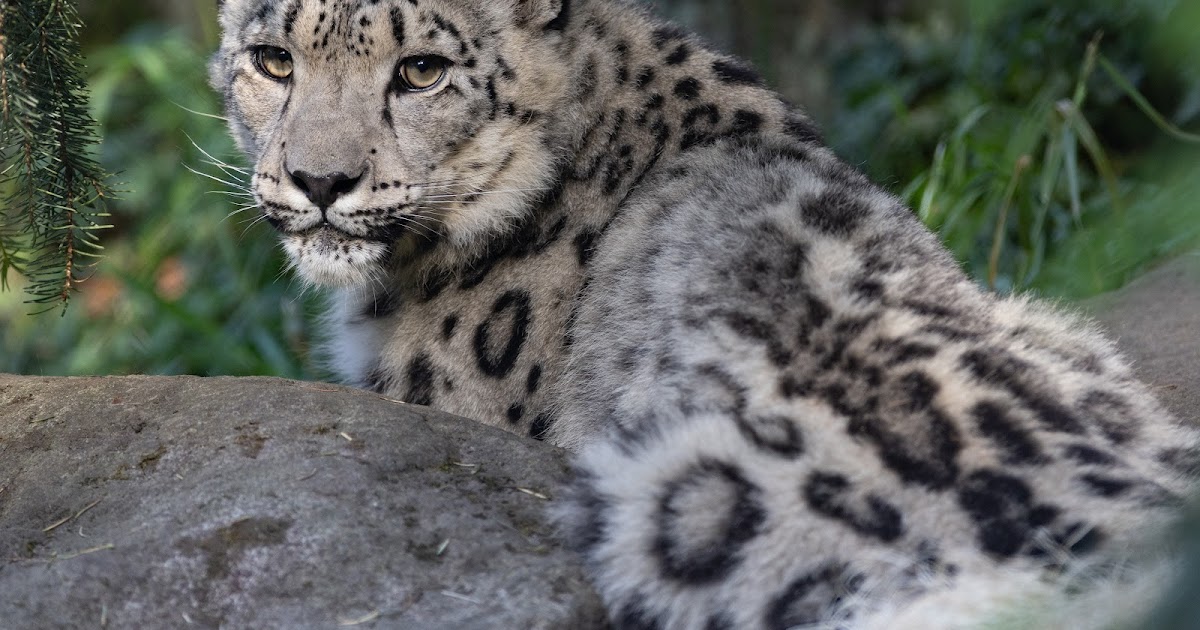
Summary of Furwell tour: snow leopard siblings prepare for their next adventures!:
Woodland Park Zoo is preparing to say farewell to three snow leopard siblings—Lenny, Phyllis, and Raya—who were born in May 2024. As they are nearly two years old, the zoo will relocate them to other accredited zoos as part of the Species Survival Plan aimed at ensuring a healthy population. Lenny will be the first to leave by April 29, followed by Phyllis and Raya, with specific dates yet to be announced.
Visitors are invited to bid farewell before their departure and can continue to see their parents, Marai and Aibek, at the zoo. Snow leopards are considered a Vulnerable species, with an estimated wild population of 4,000 to 6,390. The zoo collaborates with the Snow Leopard Trust, which has been active in conservation efforts since 1981. The zoo encourages community support for preserving these majestic animals and urges individuals to avoid participating in the illegal animal product trade.
- Woodland Park Zoo prepares to send snow leopard siblings Lenny, Phyllis, and Raya to different accredited zoos.
- Snow leopards play a critical role in their ecosystem, and conservation efforts are vital to their survival.
- The Snow Leopard Trust collaborates with zoos and local communities to protect snow leopards in their natural habitats.
- The importance of public support in wildlife conservation and responsible consumer behavior is emphasized.
- The Woodland Park Zoo has deep historical ties to snow leopard conservation dating back to the 1970s.
Woodland Park Zoo is gearing up for an important transition, marking a significant moment for three snow leopards born in May 2024—Lenny, Phyllis, and Raya. Now nearly two years old, the siblings have grown to an age at which they would naturally separate from their mother. This timely departure will allow them to embark on their own journeys to different accredited zoos, where they will continue to raise awareness about their species and inspire conservation efforts.
Snow leopards are integral to the health of their ecosystems as apex predators, but their populations are dwindling. Classified as Vulnerable on the IUCN Red List, they inhabit high mountainous regions of Central and South Asia, including Afghanistan, China, India, and Mongolia. Estimates suggest that there are fewer than 6,400 snow leopards remaining in the wild. Their elusive nature and requirement for expansive territories, coupled with threats from hunting and habitat loss, elevate the urgency for conservation programs.
The Snow Leopard Species Survival Plan is a crucial initiative aimed at maintaining a self-sustainable population of these big cats. By ensuring genetic diversity through cooperative breeding across accredited zoos, the plan seeks to bolster their population in captivity, serving as an important safety net for the species. This plays a particularly vital role when considering the challenges they face in the wild, including poaching and climate change.
In a touching farewell, Woodland Park Zoo invites visitors to see Lenny, Phyllis, and Raya one last time before they head off to their new homes. Lenny will be the first to migrate, with Phyllis and Raya following later in the year. The zoo emphasizes that while the siblings will be leaving, the public can still engage with their parents, Marai and Aibek, who will remain at the facility. This transition will not only mark the end of a significant chapter for the snow leopards at Woodland Park Zoo but also the beginning of new adventures as they continue to serve as ambassadors for their species.
The successful breeding program at Woodland Park Zoo underscores the zoo’s long-standing commitment to wildlife conservation. Apart from breeding initiatives, the zoo has been a partner in promoting the Snow Leopard Trust since its inception in 1981, created by a dedicated member of the Woodland Park Zoo staff. This partnership focuses on innovative programs, effective community collaborations, and scientific research to protect snow leopards in their native habitats.
Snow leopards are vital to their ecosystems as they help maintain the balance between herbivores and vegetation. Their decline can lead to overpopulation of certain herbivorous species, which can have cascading effects on their habitats. Understanding their role in maintaining ecosystem balance is crucial for effective conservation strategies.
The Snow Leopard Trust implements various community-based initiatives that not only protect snow leopards but also uplift local populations. These programs provide education on sustainable practices and viable economic alternatives that reduce the need for hunting wildlife. By engaging local communities, the trust fosters a sense of responsibility and connection to the snow leopards, which can lead to long-term protective measures for these majestic creatures.
Another layer of conservation involves the public. Individuals can actively participate in wildlife conservation by avoiding products linked to illegal wildlife trade. The zoo encourages its visitors to support conservation efforts actively, advocating for responsible consumer behaviors. Pledging not to buy or sell products from endangered species can create a significant impact in the fight against wildlife trafficking.
The story of Lenny, Phyllis, and Raya serves as a reminder of the interconnectedness between zoos and wildlife conservation. Their transition to new homes reflects a broader mission to reintroduce these cats—and the awareness surrounding their plight—into communities that can benefit from seeing them in person. Zoos not only serve as safe havens for animals but also as educational platforms that inform visitors about the realities facing wildlife today.
Woodland Park Zoo’s history with snow leopards dates back over five decades. Since the arrival of the first snow leopards in 1972 from the USSR, the zoo has dedicated itself to educating the public about these cats and advocating for their conservation. As zoos worldwide face increasing scrutiny regarding animal welfare, the Woodland Park Zoo has consistently worked to uphold high standards in animal care and education.
The zoo’s innovative strategies in animal care, effective breeding programs, and strong partnerships with organizations like the Snow Leopard Trust demonstrate a comprehensive approach to wildlife management. As the snow leopards transition out of the zoo and into new environments, they carry with them the stories and lessons learned within the confines of Woodland Park Zoo, ready to inspire more communities and conservation efforts.
In summary, as Lenny, Phyllis, and Raya prepare for their next adventures, it is essential to remember the broader implications their story holds for wildlife conservation. By supporting programs that aim to protect species like snow leopards, individuals contribute to not just their survival but also the health of ecosystems worldwide. The future of these magnificent animals depends on collaborative efforts that involve local communities, conservationists, and the public—each playing a vital role in shaping a hopeful narrative for generations to come.
