
Summary of Rare and Remarkable: Woodland Park Zoo Welcomes Two Critically Endangered Hooded Vultures:
Woodland Park Zoo has welcomed two critically endangered hooded vultures, Tutaonana (a nearly one-year-old male) and Kiara (a two-year-old female). This marks the first time in the zoo’s 126-year history that these vultures, native to sub-Saharan Africa, have been housed there. They can be found near the maned wolves and enjoy a diet of raw meatballs.
Hooded vultures are vital to ecosystems, acting as scavengers and preventing disease by consuming animal remains. However, their population has significantly declined due to threats like poisoning, habitat loss, and hunting, making them one of Africa’s most threatened bird species. The zoo aims to raise awareness about their conservation needs through this initiative.
- Woodland Park Zoo’s introduction of critically endangered hooded vultures
- The biology and ecological role of hooded vultures
- Threats to hooded vulture populations in their native habitat
- Conservation efforts and the significance of zoo-based programs
- The educational role of zoos in fostering wildlife awareness and activism
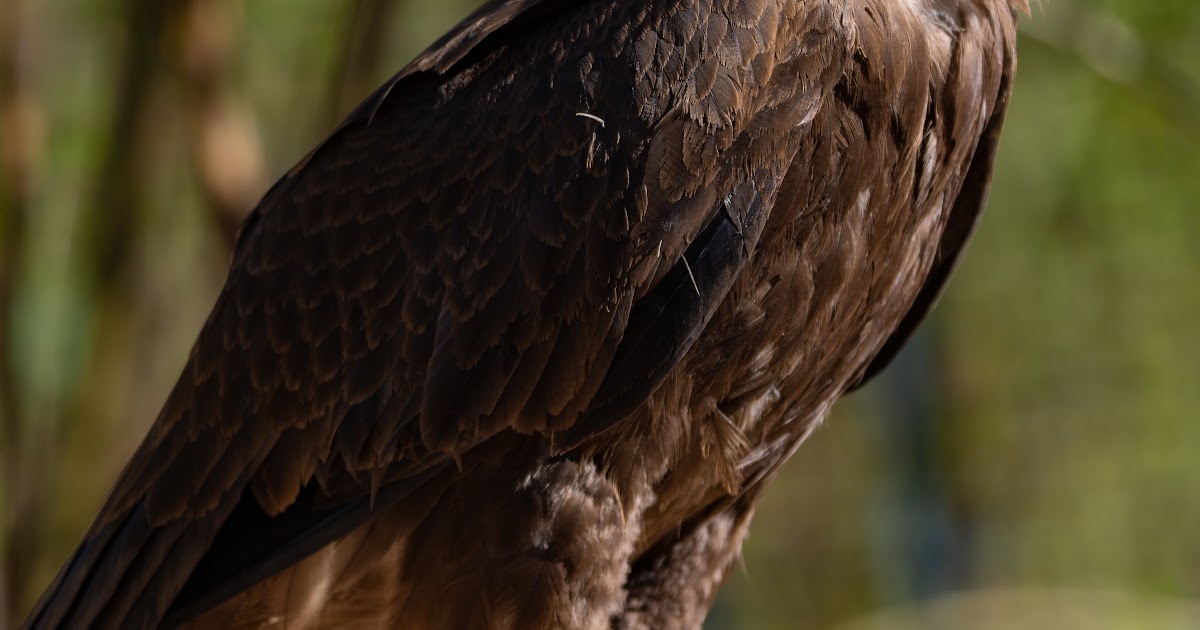
The Woodland Park Zoo made headlines recently with the arrival of two critically endangered hooded vultures, marking a historic moment in its 126-year tenure. This species (Necrosyrtes monachus), indigenous to sub-Saharan Africa, faces severe threats in the wild, leading to its critically endangered status. With a male named Tutaonana, which translates to “see you later” in Swahili, and a female named Kiara, meaning “princess,” this pair is poised to capture the interest of visitors and promote awareness about conservation.
Hooded vultures are striking birds, characterized by their dark brown plumage and unique morphology, including the thin, bare skin atop their heads, which serves multiple purposes, including thermoregulation and hygiene. The wingspan of these birds can exceed five feet, an impressive attribute that facilitates their gliding flight as they search for carrion. As scavengers, hooded vultures play a crucial role in ecosystems by consuming decaying animal matter, which helps limit the spread of disease and maintain ecological balance. The absence of these birds can have significant adverse effects on the health of their environments.
Unfortunately, hooded vultures face a variety of threats in their natural habitats. A dramatic population decline over recent decades can largely be attributed to poisoning, habitat destruction, reduced food availability, and hunting. Various forms of poisoning are particularly harmful; for instance, farmers may poison carcasses to target pests, often inadvertently killing vultures that scavenge on the remains. Furthermore, deforestation and land-use changes diminish the habitats essential for these birds, impacting their survival prospects. The International Union for Conservation of Nature (IUCN) has classified hooded vultures as critically endangered, reinforcing the urgency of conservation efforts.
Conservation initiatives aimed at safeguarding hooded vultures and other threatened species encompass numerous strategies, including habitat protection, legal reforms against hunting, and public education to raise awareness about the birds’ ecological importance. These efforts are often supported by zoos, which serve as focal points for species conservation. The Woodland Park Zoo, with the introduction of Tutaonana and Kiara, is pioneering outreach that emphasizes the vital role of vultures in maintaining healthy ecosystems. By highlighting how these birds act as nature’s cleanup crew, the zoo aims to instill a sense of responsibility and inspire advocacy among its visitors.
Moreover, the educational function of zoos transcends simply housing animals. They serve as accessible platforms for disseminating critical information about wildlife and conservation challenges. In today’s context, where biodiversity is in decline globally, promoting understanding about the intricacies of animal populations is crucial. The presence of hooded vultures at the Woodland Park Zoo not only enriches the lives of the animals but also offers a unique opportunity for guests to engage with conservation narratives.
The role of zoos in conservation is evolving. They are increasingly seen as indispensable resources for breeding programs, research, and the reintroduction of species into their native habitats. As more zoos adopt these practices, they contribute to comprehensive strategies for combating the decline of endangered species. Public engagement plays a vital role here; when visitors learn about hooded vultures and their challenges, they become more invested in conservation efforts.
The arrival of hooded vultures at the Woodland Park Zoo is significant not just for its historical context but also for the broader implications for conservation. It provides tangible reminders of our responsibility in protecting these remarkable birds and their ecosystems. With growing awareness and global collaboration, it is possible to make strides in enhancing the survival of species that play essential roles in their environments.
Captivating audiences while delivering crucial messages makes the zoo’s mission impactful. Engaging storytelling combined with live animal experiences fosters empathy and personal connections with wildlife. As more people witness the behavior of Tutaonana and Kiara, they may feel inspired to advocate for broader conservation efforts, both locally and globally. Education cultivated in such settings can drive positive change, reaffirming the importance of every species in the intricate web of life.
The conservation status of hooded vultures accentuates a widespread issue, emphasizing the fragility of ecosystems worldwide. By introducing these vultures to a new audience, the Woodland Park Zoo not only creates ambassadors for their species but also cultivates a collective awareness about the importance of biodiversity. The success of conservation initiatives hinges on engagement; hence, the zoo’s efforts exemplify how education can facilitate actionable change.
In recent years, the significance of vultures in ecosystems has gained more recognition. As scavengers, they provide indispensable services that help combat diseases and recycle nutrients back into the food chain. The role of vultures is particularly evident in regions where disease outbreaks can be traced back to the absence of these birds. Educating the public on this connection highlights the importance of preserving not just hooded vultures but all scavenging species.
Dedicated conservation efforts coupled with public education can create enduring impacts. The plight of hooded vultures is a vivid reminder that every species, no matter how overlooked, contributes to overall ecological health. Woodland Park Zoo’s initiative stands as a beacon of hope and a call to action for wildlife enthusiasts and casual visitors alike.
By sharing the stories of individual birds like Tutaonana and Kiara, and the challenges they face in their natural environments, the zoo fosters a more profound connection between people and wildlife. The response from guests can influence their understanding and appreciation of nature, potentially leading to activism and support for conservation policies and practices.
In summary, the introduction of critically endangered hooded vultures to Woodland Park Zoo serves multiple essential purposes. It enhances the zoo’s diverse offerings, reinforces the importance of conservation work, and cultivates a deeper engagement among visitors about the ecological value of vultures. As the world grapples with the escalating crisis of biodiversity loss, initiatives like these become ever more crucial for fostering a sustainable future for wildlife and natural ecosystems.
