
- Understanding the biology and behavior of bonobos
- The significance of bonobos in the ecosystem
- Conservation efforts and challenges facing bonobos
- The role of zoos in bonobo conservation and education
- The story of Gilda and her impact on bonobo awareness
Bonobos (Pan paniscus) are one of our closest living relatives, sharing approximately 98.7% of their DNA with humans. They inhabit the rainforests of the Democratic Republic of the Congo and are often recognized for their unique societal structure, which differs notably from that of chimpanzees. Bonobos are generally smaller and have a peace-oriented culture characterized by strong social bonds and cooperative behaviors. Their physical and behavioral traits make them a fascinating subject for studies in evolution, social dynamics, and conservation.
Biologically, female bonobos play a crucial role in their communities. They often dominate social hierarchies, counter to many other primate species where males take precedence. Female bonobos establish networks of support, which allow them to maintain peace and tranquility within the group. Communication is sophisticated; bonobos use vocalizations, gestures, and facial expressions. Understanding their communication methods provides valuable insights into the evolution of social behavior among primates.
The significance of bonobos in their ecosystem can hardly be overstated. As frugivores, they play a vital role in seed dispersal. Their dietary habits contribute to forest health and biodiversity. By consuming and dispersing a wide variety of fruits, bonobos help sustain the growth of many plant species, which in turn supports other wildlife. This interconnection among species underscores the necessity of preserving their habitat, as the loss of bonobos could have far-reaching consequences for forest ecosystems.
Conservation efforts for bonobos face substantial challenges. Habitat destruction due to logging, mining, and agriculture poses a major threat. Additionally, poaching remains a serious issue, fueled by bushmeat demand and the illegal wildlife trade. Organizations such as the Bonobo Conservation Initiative work tirelessly to protect bonobo habitats through community-based approaches. Education is key; by involving local communities in conservation efforts, sustainability can be achieved. The plight of bonobos illustrates a larger issue: the urgent need for balance between human activity and wildlife preservation.
Zoos play a pivotal role in the conservation of bonobos. They serve as centers for education, research, and breeding programs aimed at preventing extinction. The Cincinnati Zoo, for instance, has been instrumental in bonobo research and public awareness. By providing a safe environment for bonobos, the zoo contributes to the knowledge base concerning their care and needs. Educational programs not only raise awareness but also foster a sense of responsibility among visitors regarding wildlife conservation. Presentation of ethical considerations in captivity is essential to ensure the welfare of these intelligent creatures.
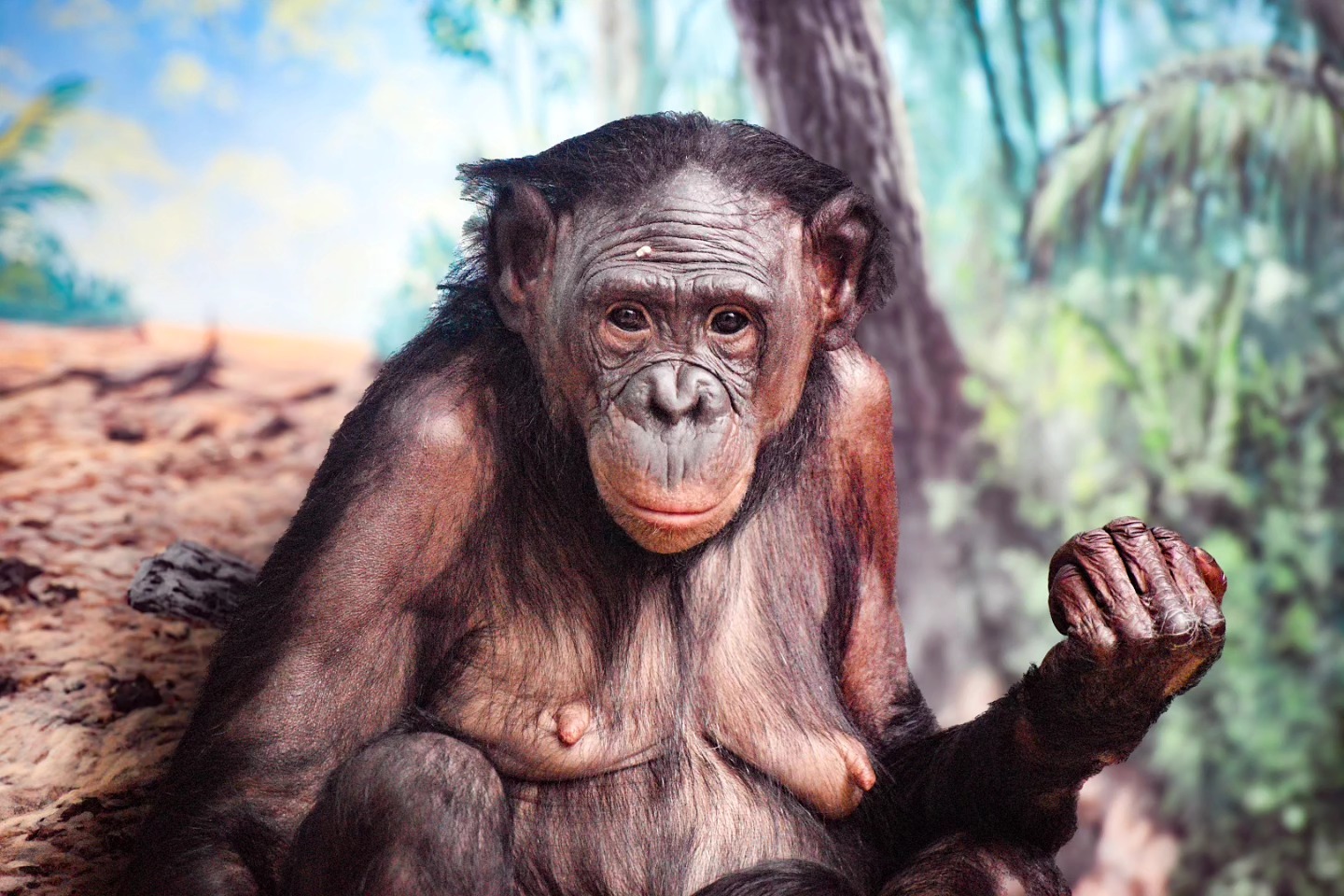
One remarkable bonobo that has captured public interest is Gilda. Born at the Cincinnati Zoo, Gilda has grown to symbolize the zoos’ commitment to bonobo conservation and education. Through educational initiatives and outreach programs, her story has reached countless individuals, inspiring interest and action toward wildlife conservation. Gilda demonstrates the potential that captive animals have in playing an influential role in shaping public perspectives on conservation issues.
Gilda’s life at the Cincinnati Zoo emphasizes the benefits of engaging visitors with active learning opportunities. Each interaction and exhibit offers insights into bonobo behavior, social structures, and the critical need for their conservation. Not only does Gilda serve as an ambassador for her species, but she also stimulates conversations surrounding the ethical implications of captivity, conservation strategies, and the importance of preserving biodiversity.
The dynamics of bonobo societies deserve attention as well. Social structures among bonobos are distinct, predominantly matriarchal, where females often establish supportive networks. This contrasts sharply with the male-dominated hierarchies often seen in chimpanzee communities. Such differences raise questions about the influences of social structure on behavior and community interactions. The communal lifestyle of bonobos includes cooperative breeding and sharing food, which fosters strong relationships among individuals in the group.
Communication skills among bonobos are impressive. Studies have shown they use a complex array of sounds and gestures to convey emotions and intentions. This intricate language system offers insight into the evolution of communication in primates, suggesting that the roots of human communication might share common ground with our bonobo relatives. Researchers are continually exploring these communication patterns, revealing the cognitive complexity behind bonobo interactions.
The ecological challenges facing bonobos are emblematic of broader environmental issues. The rainforests they inhabit are being rapidly decimated, impacting not only bonobos but countless other species reliant on this ecosystem. Conservation strategies that focus exclusively on bonobos often yield benefits for other flora and fauna within their habitat. Protecting bonobos can contribute to the overall health of their environment, emphasizing the interconnectedness of all species.
In terms of breeding programs, zoos such as the Cincinnati Zoo are working diligently to ensure the genetic diversity of bonobos is preserved. Controlled breeding initiatives aim to mitigate the effects of inbreeding while increasing population numbers. Each birth represents a step toward bolstering wild populations, offering hope for future conservation efforts. Additionally, zoos often collaborate with international organizations, enhancing the impact of their efforts on a global scale.
Public education is a cornerstone of conservation. Engagement through storytelling, interactive exhibits, and volunteer programs effectively raises awareness of the threats bonobos face. The narrative of Gilda encourages visitors to connect with the species on a personal level. By highlighting her story, Zoos have the opportunity to bridge the gap between conservation challenges and public interest.
In recent years, social media has emerged as a powerful tool for conservation messaging. Many zoos leverage these platforms to share updates on bonobos, including insights into their daily lives and conservation initiatives. Gilda’s presence in promotion campaigns enhances visibility for not only the Cincinnati Zoo but also for the broader conservation movement. Awareness raised through digital channels can foster a sense of community and inspire collective action toward conservation goals.
Understanding the biological and societal aspects of bonobos such as Gilda can indeed change perspectives. As one of our closest relatives, bonobos remind us of the importance of empathy and community, elements that are intrinsic to both their existence and our own. This connection encourages a deeper appreciation for wildlife and an active role in conservation.
Ongoing research continues to expand our understanding of bonobos. New findings shed light on their behavior, including the impact of environmental stressors like habitat loss and social group dynamics. Conservation measures must adapt to these discoveries, ensuring strategies remain effective as challenges evolve.
The journey of Gilda and the Cincinnati Zoo paints an inspiring picture of how individual animals can spark wider conversations about conservation. By focusing on education, habitat preservation, and community involvement, we may promote a future where bonobos continue to thrive.
The plight of bonobos clearly illustrates a crucial message: every action counts. By supporting conservation initiatives and learning about the challenges wildlife faces, individuals can contribute to a impactful change. The saga of Gilda reminds us that the survival of species is not just a scientific issue, but an ethical one. Embracing this perspective can cultivate a society that values biodiversity and acts decisively to protect it.
Understanding and engaging with bonobos can empower individuals to make informed choices that positively affect wildlife and ecosystems. Whether it’s through supporting sustainable products, advocating for habitat protection, or spreading awareness about the challenges faced by bonobos, every effort contributes to a more biodiverse and sustainable future. Thus, the story of Gilda serves not only as a tale of a bonobo but as a call to action for all of us.
*****
Source Description
Gilda
📷 Bonobo @ the @cincinnatizoo
