
- The biology and behavior of river otters
- Importance of water environments for otters
- The role of zoos in otter conservation
- Human impact on river otter populations
- Fun facts about river otters
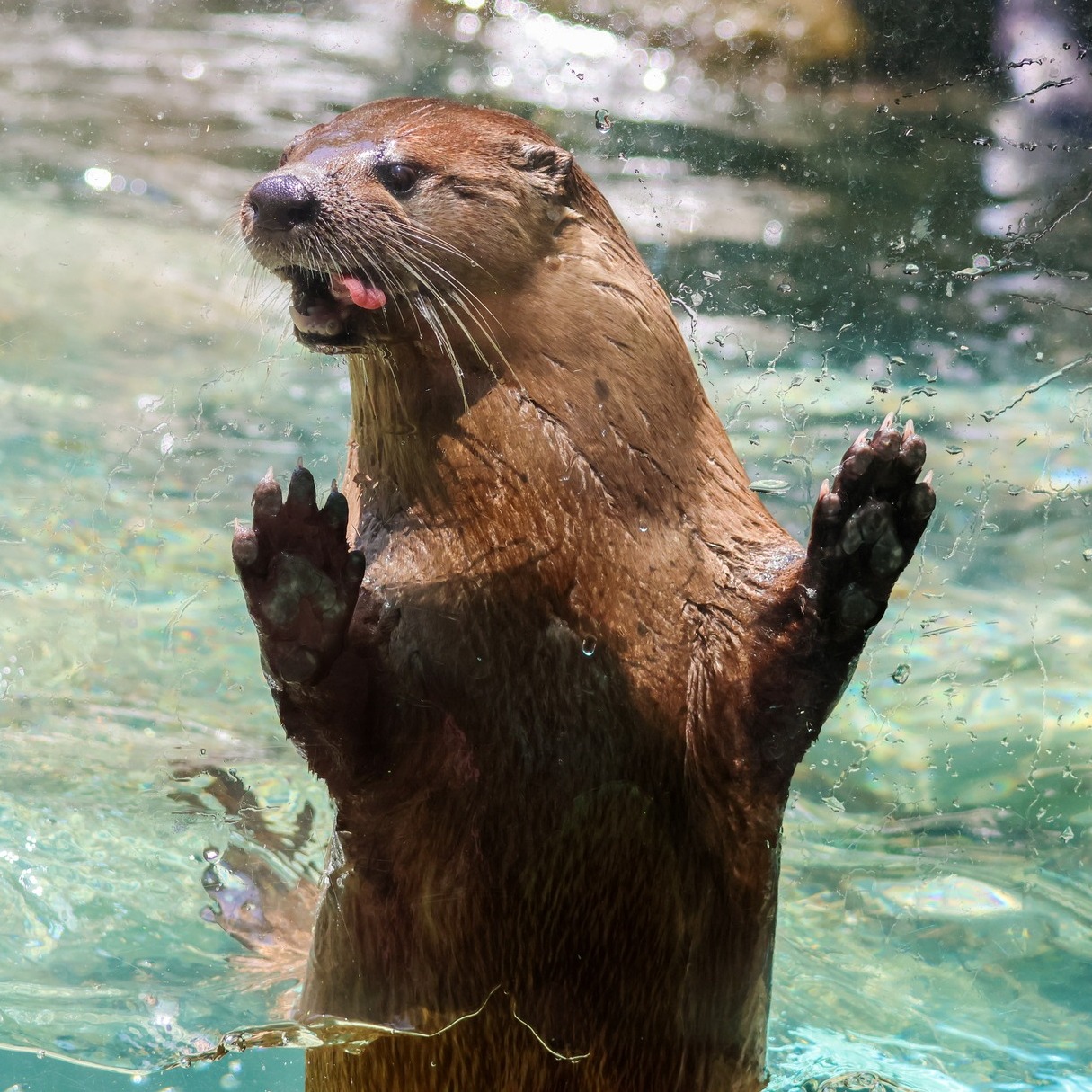
River otters, celebrating a sunny day with their playful antics in the pool, are fascinating creatures. Their biology reflects adaptations to both aquatic and terrestrial habitats, showcasing traits that enable them to thrive in various ecosystems. With sleek bodies, short limbs, and webbed feet, river otters are agile swimmers. Their fur is dense and waterproof, keeping them insulated in cold water—a crucial feature for survival in their native environments. Each otter possesses a layer of fat to further aid warmth, allowing these mammals to pursue prey in chilly rivers and lakes.
Behaviorally, river otters are social animals that often live in groups called rafts. These rafts can consist of anywhere from two to twenty individuals. Their social structure is apparent in their playful mannerisms. River otters engage in a variety of activities such as sliding down mud or snowbanks, chasing one another, and playing with objects they find. This playful nature is not just for enjoyment; it is crucial for developing hunting skills and strengthening social bonds within the group.
Water environments are vital for river otters, as they spend a significant portion of their lives swimming. The presence of clean, accessible waterways directly impacts the health of otter populations. River otters are opportunistic feeders, primarily dining on fish, crustaceans, and small mammals. The quality of these water habitats influences the availability of their prey, which in turn affects the otters’ survival. River otters are often indicators of water quality; their health reflects the ecological status of their environment. When river otters thrive, it suggests that the aquatic ecosystems are balanced and functioning effectively.
Zoos play an essential role in the conservation of river otters. Conservation programs in zoos often focus on education, breeding, and rehabilitation efforts. Many institutions participate in breeding programs designed to increase genetic diversity and reinforce wild populations. Additionally, zoos provide an opportunity for the public to learn about the significance of preserving these species and their habitats. They engage visitors through interactive exhibits that spotlight the importance of river otters and their ecosystem roles.
The human influence on river otter populations cannot be overlooked. Habitat destruction due to development, pollution, and climate change has led to the decline of many otter populations across their range. Wetlands where otters thrive are often drained for agriculture or urbanization, reducing their habitats. Moreover, pollution can harm the prey that otters rely on; contaminants in rivers can accumulate in the food chain, affecting otter health. Conservation efforts must address these challenges, focusing on habitat preservation and restoration while raising awareness about the importance of clean waterways.
Several fun facts further enhance our appreciation of river otters. For example, river otters can hold their breath underwater for up to eight minutes, showcasing their remarkable diving skills. They can weigh between 50 to 100 pounds, depending on their species, with North American river otters being among the largest. River otters also possess a keen sense of smell, which helps them locate food even when it is buried beneath snow or ice. Additionally, they communicate through vocalizations such as chirps, growls, and whistles, providing insight into their social interactions.
Engaging with river otters at zoos allows visitors to connect with these fascinating animals in a meaningful way. It sparks interest in wildlife conservation and emphasizes the interconnectedness of ecosystems. Through education about river otters’ roles and challenges in the wild, zoos can inspire action to protect these creatures and their habitats.
Preservation efforts should include habitat restoration and clean water initiatives. River otters play a crucial role in maintaining aquatic ecosystems’ health, impacting fish populations through their predation. Their presence suggests that ecosystems are thriving; thus, protecting them helps safeguard biodiversity. Collaboration between wildlife organizations, conservationists, and local communities is essential to develop strategic plans that target both habitat preservation and pollution reduction.
River otters’ playful nature provides a captivating view into their daily lives and social structures. Their joyful antics in the water, such as splashing and diving, create an image of resilience and adaptability. The ability to engage both visitors and conservationists is vital for increasing awareness about their plight and the actions needed to protect their habitats.
By understanding river otters’ biology and ecology, we can appreciate the need for targeted conservation strategies that promote long-term sustainability. Through education and collaboration, it is possible to tackle the challenges that face river otters today, ensuring that future generations can enjoy these remarkable creatures and their vibrant ecosystems. Engaging the public also cultivates a sense of responsibility towards preserving natural habitats, reinforcing the notion that everyone can contribute to conservation efforts.
In summary, river otters are more than just playful swimmers; they are crucial components of aquatic ecosystems. Their adaptability, social behavior, and dietary habits make them integral to maintaining ecological balance. As we learn more about these fascinating animals, we recognize the importance of protecting their environments from human impact. Whether enjoying a sunny day in the pool or sliding down a snowy bank, river otters remind us of the joy of wildlife and the critical need for conservation in our ever-changing landscapes. By coming together to support these efforts, we can foster a brighter future for river otters and the ecosystems they inhabit.
*****
Source Description
☀️ Sun’s out, tongues out! 😜 Our river otters are keeping cool with a dip in the pool. 🌊
