
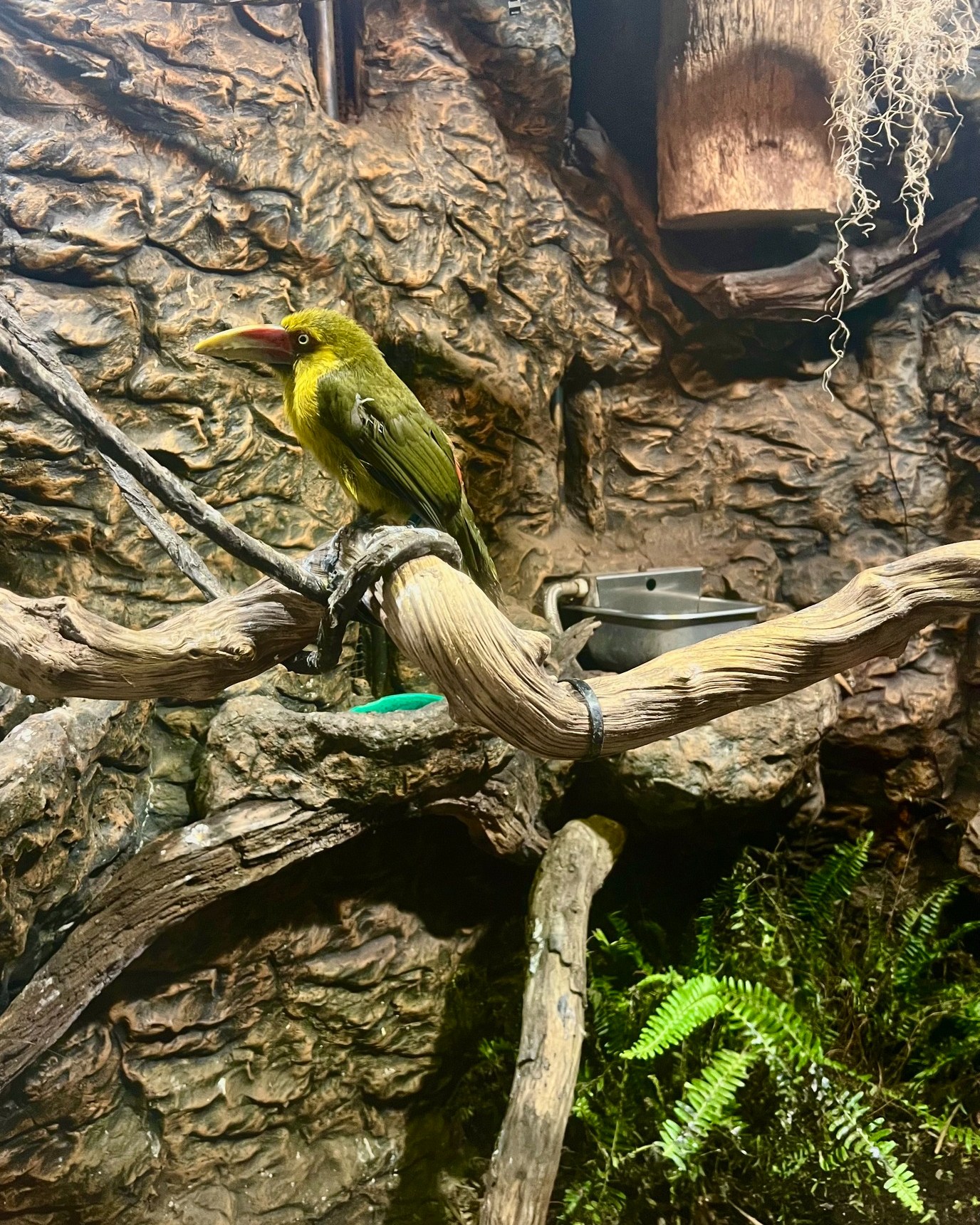
- The striking appearance of the Saffron Toucanet with its golden feathers and red accents
- Feeding habits and dietary preferences focusing on fruit
- Habitat and ecological role within South American ecosystems
- Conservation status and efforts to protect the Saffron Toucanet
- Importance of biodiversity and ecosystem health related to the Saffron Toucanet
The Saffron Toucanet, scientifically classified as Selenidera speciosa, is renowned for its extraordinary coloration and distinctive features. The bird is adorned with bright golden feathers that shimmer in the sunlight, complemented by vibrant red accents on its face and throat. These striking colors not only enhance its visual appeal but also play a role in social interactions and mating displays. The coloration likely serves as an adaptation, attracting mates and conveying information about the bird’s health and vitality. Unlike more common toucans, the Saffron Toucanet’s rarity adds to its allure, making it a coveted sight for bird watchers and nature enthusiasts.
Examining the feeding habits of the Saffron Toucanet reveals much about its ecological roles and preferences. Primarily frugivorous, this avian species thrives on a diet rich in fruits, enjoying an array of berries and fleshy fruits. Fruits provide not only critical nutrients but also energy for their high metabolic rates. Their beaks, which are uniquely adapted for fruit extraction, enable the Saffron Toucanet to access fruit in various tree canopies. During feeding, the bird deftly maneuvers its large bill to grasp and slice through fruit, often displacing seeds that can grow into new plants, thus playing a role in seed dispersal. This intricate relationship between the toucanet and its dietary choices illustrates the extended impact of single species on their ecosystems.
The Saffron Toucanet inhabits the tropical forests of South America, where it integrates seamlessly into the dense foliage. It shows a preference for humid environments, where tall trees provide ample fruits and nesting opportunities. By residing in these layered canopies, the toucanet contributes to the myriad interactions that define forest ecosystems. Its presence signals healthy biodiversity as the species thrives in an ecosystem rich in flora and fauna. These forests serve as both a habitat and a breeding ground, with specific parts of the canopy providing shelter and materials for nesting.
Unfortunately, the Saffron Toucanet faces challenges that threaten its survival. Deforestation, primarily driven by agriculture and urban development, poses a significant risk. As trees are felled for land, the essential habitat for this bird dwindles, making it harder to find food and nesting sites. Additionally, the effects of climate change—shifting weather patterns and increasing temperatures—further jeopardize its habitat. Conservation efforts are critical to secure a future for this stunning species. Organizations dedicated to wildlife preservation are working to promote sustainable land use and reforestation initiatives. These projects aim not only to restore habitats but also to create corridors that facilitate movement between fragmented patches of forest. Raising awareness about the importance of preserving the Saffron Toucanet’s habitat can also have a ripple effect, benefiting other species that share its environment.
Understanding the role of the Saffron Toucanet within its ecosystem highlights the interconnectedness of biodiversity. The toucanet’s primary diet of fruit allows it to be a key player in maintaining the health of the forest. By facilitating the growth of various plant species through seed dispersal, it contributes to the overall health and resilience of its habitat. A diverse ecosystem can better withstand external pressures, making every species, including the Saffron Toucanet, integral to ecological balance.
Efforts to study and conserve the Saffron Toucanet provide insight into broader ecological issues and the challenges facing tropical forests. As a keystone species, the health of the Saffron Toucanet often reflects underlying environmental changes. Researchers and conservationists expend significant effort in monitoring its populations, collecting data that can inform effective conservation policies. Community involvement is also vital, with local populations playing a critical role in protecting forested areas and promoting ecotourism. Engaging communities fosters pride in local wildlife and emphasizes the significance of biodiversity.
While the Saffron Toucanet is a striking example of the beauty of South America’s tropical birds, it also serves as a reminder of the pressing need to protect natural habitats. Every bird has its place in the ecosystem, contributing not just to the local environment but influencing global ecological health. Striking a balance between human development and wildlife conservation remains essential, and the Saffron Toucanet stands as a symbol of this ongoing challenge.
Efforts to strengthen conservation frameworks and enhance community engagement initiatives are paramount to ensuring a thriving future for the Saffron Toucanet and other species sharing its habitat. As awareness grows concerning the impact of deforestation and climate change, strategies that address these issues can yield significant benefits for biodiversity and ecosystem stability. Conservation is not just about protecting a single species; it is about ensuring the preservation of entire ecosystems and the intricate relationships within them.
As this radiant bird continues to captivate viewers and researchers alike, understanding its unique characteristics serves as a catalyst for broader environmental conversations. Preserving the Saffron Toucanet will not only mean safeguarding a symbol of tropical beauty but also reinforcing the invaluable balance of life that sustains our planet. Accepting responsibility for protecting wildlife will allow future generations to witness the vivid hues of the Saffron Toucanet soaring gracefully through South America’s lush forests, a testament to the cooperative efforts of individuals and communities committed to conservation.
In summary, the Saffron Toucanet—with its golden feathers, striking red details, and incomplete reliance on fruit—is a vital component of its ecosystem. Focused conservation efforts and community engagement can assist in maintaining this magnificent bird and securing ecological integrity in our rapidly changing environment.
*****
Source Description
Golden feathers, red details, and a taste for fruit. 🍓💛
Meet the Saffron Toucanet—a rare and radiant resident of South America’s tropical forests.
