
- Importance of Sea Turtles in Ecosystems
- Overview of Sea Turtle Species
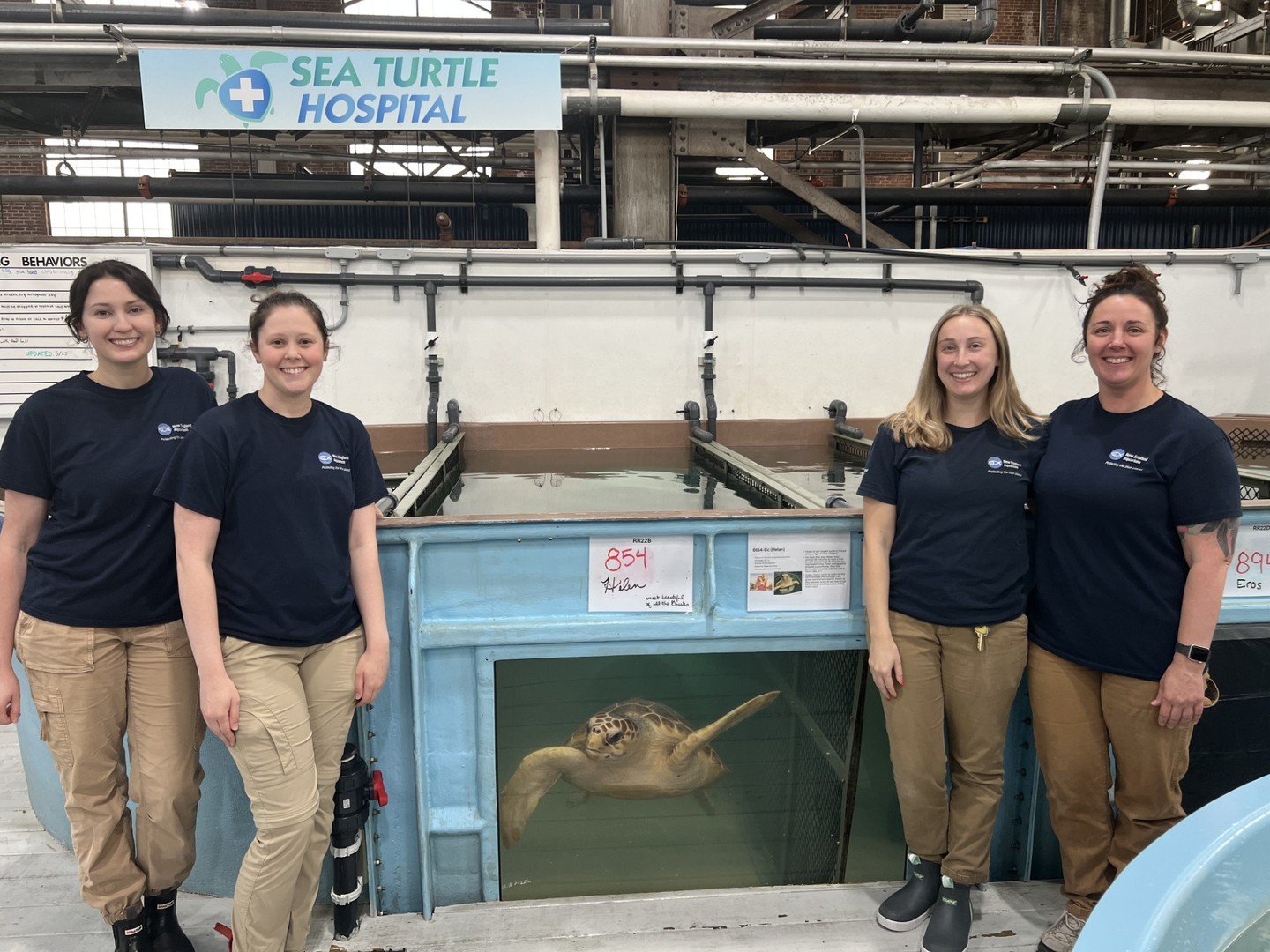
- The Role of Sea Turtle Hospitals and Rehabilitation
- Threats to Sea Turtle Populations
- Conservation Efforts and Public Engagement
Sea turtles play a vital role in marine ecosystems. They contribute to the health of seagrass beds and coral reefs, which provide shelter and food for diverse marine life. Sea turtles help maintain balance in these ecosystems by grazing on seagrass, promoting growth and productivity. They also influence nutrient cycling in coastal environments by excreting nutrients crucial for marine flora.
There are seven species of sea turtles, each with distinct characteristics and habitats. The leatherback turtle is the largest, reaching lengths of up to 9 feet. In contrast, the smallest species, the Kemp’s ridley, measures roughly 2 feet. Other species include the loggerhead, green, hawksbill, olive ridley, and flatback turtles. Each species has adapted to its specific environment, with variations in diet and nesting behaviors that reflect their ecological niches. For example, green turtles primarily consume seagrasses, while hawksbills are known for their sponge-rich diet, showcasing the diversity of their feeding habits.
Sea turtle hospitals and rehabilitation centers play critical roles in the conservation of these marine reptiles. The facilities, like the one associated with the Aquarium, focus on rescuing injured or sick turtles. The Sea Turtle Rescue and Rehabilitation team typically handles cases ranging from boat strikes to entanglements in fishing gear. The rehabilitation process can involve intensive medical care, including surgeries, medication, and proper nutrition until the turtles can be released back into the wild. These efforts are essential not only for the individual turtles but also for the broader population’s health.
Despite their resilience, sea turtles face numerous threats. Human activities pose significant risks, including habitat destruction, pollution, and climate change. Coastal development often leads to the loss of nesting sites, while marine debris like plastic can be ingested by turtles, causing health issues. Moreover, climate change affects nesting beaches through rising sea levels and altering temperature patterns, which can impact hatchling survival rates.
Conservation efforts are crucial for the survival of sea turtles. These initiatives involve a combination of research, habitat protection, legislative action, and public education. Organizations work to protect nesting sites, implement sustainable fishing practices, and reduce plastic pollution in oceans. Engaging the public is key in these efforts, as awareness can lead to actions that help mitigate threats. Events like World Sea Turtle Day serve to highlight these conservation efforts, encouraging individuals to take part in protecting marine wildlife.
The Sea Turtle Hospital plays an educational role as well. Visitors to the hospital can learn about the daily lives and challenges of sea turtles through guided tours and interactive exhibits. This engagement fosters a sense of responsibility towards marine conservation. The connection between education and conservation is vital; informing the public about sea turtles can lead to increased advocacy for environmental protection.
Sea turtle populations have declined drastically over the past century. The International Union for Conservation of Nature (IUCN) lists several species as endangered or critically endangered. Effective conservation measures will require international cooperation, as sea turtles migrate vast distances across oceans. Collaborative strategies involve sharing research findings, coordinating protection efforts across countries, and enforcing stricter regulations for bycatch reduction.
One of the most effective conservation strategies is the establishment of marine protected areas (MPAs). These designated regions help preserve critical habitats and breeding grounds for sea turtles. By limiting human activity in these zones, turtles can thrive in a natural environment that supports their ecological needs. Community involvement in the management of MPAs is also crucial, ensuring that local populations benefit economically and socially from conservation efforts.
Public participation is essential as well. Activities like beach cleanups, educational workshops, and participation in citizen science projects help raise awareness and identify threats to local marine habitats. Social media initiatives, especially those related to World Sea Turtle Day, amplify outreach efforts, enabling people to share information and promote conservation activities. Individuals can make a difference by advocating for sustainable practices, reducing plastic usage, and supporting organizations focused on marine conservation.
Feeding and cleaning up marine environments requires collective action. Encouraging responsible tourism can also help protect sea turtle habitats. Tour operators can implement guidelines that minimize disturbances to nesting sites and promote eco-friendly practices. Education programs for tourists can foster a respect for wildlife and encourage protective behaviors.
Monitoring sea turtle populations is vital for understanding their health and demographics. Researchers utilize tracking technologies to study migratory patterns and assess habitat use. This information is critical for tailoring conservation strategies effectively. By understanding how turtles interact with their environment, scientists can implement more effective management practices.
In summary, the importance of sea turtles cannot be overstated. They are an integral part of marine ecosystems and serve as indicators of ocean health. Understanding their biology, threats they face, and the concerted efforts needed for their conservation is essential. Engaging the public in these conversations, particularly through global observances like World Sea Turtle Day, can inspire collective actions that lead to meaningful change. As dedicated stewards of the environment, we must advocate for the protection of sea turtles and ensure their survival for generations to come.
*****
Source Description
Have a question about sea turtles? 🐢 Today is your lucky day!
In honor of World Sea Turtle Day, we’re answering your questions in our Instagram stories about sea turtles, our Sea Turtle Hospital, and the work of our Rescue and Rehabilitation team. Submit your question in our stories before 2 p.m. and one of our biologists just might answer it!
From our Sea Turtle Rescue and Rehabilitation team, the turtles we care for, and all of us here at the Aquarium—happy World Sea Turtle Day! 💚🌊
