
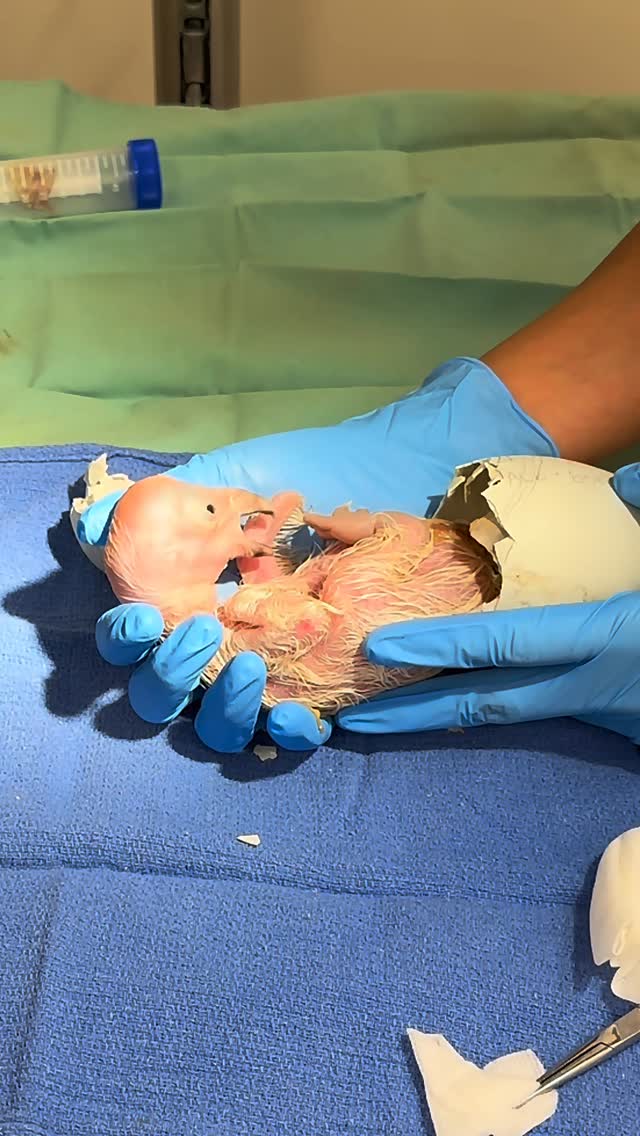
- The significance of hatching California condor chick LA925
- The hatching process and the role of intervention
- Conservation efforts and challenges facing California condors
- The rearing process and its importance in the wild
- Future prospects for the California condor population
California condor chick LA925 has entered the world following an intensive two-month incubation period. The California condor (Gymnogyps californianus), native to the western United States, is one of the most endangered bird species globally. As part of a dedicated conservation effort, every birth represents not merely a triumph but a vital step toward the preservation of an iconic species on the brink of extinction.
The hatching process of condor chicks is not always straightforward. Typically, a chick hatches independently, breaking through its eggshell—a process known as “pipping.” However, challenges during this phase can arise, necessitating assistance from expert handlers. In LA925’s case, the condor care team observed that the chick encountered difficulties while pipping. This crucial moment highlighted the need for intervention, demonstrating the tight window in which timely assistance can be both necessary and life-saving.
The team executed a procedure known as a “manual pip.” During this careful process, Rhiann Ogata, one of the condor keepers, created a tiny hole in the shell. This action activated LA925’s lungs, giving the chick a much-needed boost in its hatching efforts. After slowly and carefully removing pieces of the eggshell, the condor chick emerged victorious—another vital California condor entering its life journey.
Once LA925 hatched, the care team collected essential umbilical and blood samples. These samples are instrumental for DNA testing, which allows researchers to determine the chick’s sex and gather significant data on its genetics. After hatching, the chick was placed in an incubator to regulate its temperature before moving to a brooder box. This initial stage is critical, as the chick requires warmth and security to gain strength before transitioning to being cared for by adult condors.
California condors are not only remarkable for their size—standing up to 4 feet tall with a wingspan of nearly 10 feet—but also for their behavior and ecological significance. Once pervasive throughout North America, their population faced dramatic declines due to habitat destruction, lead poisoning, and poaching. Conservation efforts, particularly the establishment of breeding programs, aimed to reverse these trends and bolster the remaining wild population.
Assisting in the hatching process of LA925 showcases the commitment and expertise of the condor care team. Their intervention exemplifies the broader efforts of wildlife management professionals grappling with the challenges of conserving endangered species. The task requires not only a deep understanding of avian biology but also a nuanced approach to behavioral ecology and community engagement.
The rearing of LA925 is another integral aspect of the species recovery program. For approximately a week following the hatch, the chick will remain with its caregivers in the safety of a brooder box. This interim period allows the chick to develop the requisite strength and skills necessary for survival. Post this stage, LA925 will be introduced to adult condors who will assume the role of surrogate parents. This practice of fostering young condors with adults is essential for instilling natural behaviors that increase the chick’s chances of thriving in the wild.
The ultimate goal of these conservation strategies is clear: a sustainable population of California condors. By facilitating the natural behaviors of breeding and rearing, conservationists hope that future generations of condors will take flight in their natural habitats. Each successful hatch is a building block—an opportunity to restore a balance that has been disturbed.
Moreover, current conservation efforts extend beyond immediate hatch success. Continuous monitoring of California condor populations is crucial. Utilizing radio telemetry and tracking technologies allows scientists to gather data on the behaviors and health of condors in the wild. These insights play a vital role in tailoring management decisions that can enhance the longevity of the species.
Despite rigorous conservation initiatives, significant challenges persist. Lead poisoning remains a critical threat, often due to the ingestion of spent lead ammunition left in the environment. Education and advocacy surrounding the transition to non-lead ammunition in hunting practices aim to mitigate this danger. Additionally, habitat destruction due to development and climate change continues to pose threats that require ongoing attention from conservationists and policymakers alike.
As the population of California condors begins to stabilize, recent successes spotlight the importance of intervention and management practices. The birth of LA925 embodies not merely the miracle of life but also the hard work and dedication of a community committed to ecological restoration. The future does indeed hold promise for these birds, but it will demand a collective effort from all stakeholders involved.
Effective conservation activities hinge on public engagement. Awareness campaigns that emphasize the significance of preserving such a majestic species can inspire future generations to safeguard their environments. By fostering a culture of appreciation for biodiversity, individuals can become part of the movement to protect not only California condors but countless other species at risk.
As egg LA925 hatches await continual updates, the life of this condor chick exemplifies the collaborative work of many dedicated individuals in the field of wildlife conservation. It serves as a vivid reminder of humanity’s role in nurturing the natural world. With ongoing efforts in place, and the collaborative framework between scientists, conservationists, and the public, the restoration of California condors is a possible reality.
Attention must remain focused. Each update serves as a testament to the challenges and victories of conservation, driving momentum for ongoing projects and initiatives. As stakeholders persist in these vital tasks, the hope for a thriving population of California condors takes flight, symbolizing resilience and the potential for renewal in the face of adversity.
With the successful hatching of LA925, the pathway to survival stretches ahead, illuminating the cooperation and dedication necessary to protect endangered species. As we celebrate this landmark event in the life of LA925, we are reminded of our shared responsibility to steward the natural world and work towards solutions that will sustain both California condors and the complex ecosystems in which they inhabit.
*****
Source Description
After two months of growing, it’s hatch day for California condor chick LA925! 🐣
Normally, a chick pips—breaks through—its shell on its own, but sometimes a little help is needed. Condors in the wild will assist chicks like this one with the hatching process. These small, critical windows for intervention can mean the difference between life and death. When the condor team noticed LA925 experiencing a challenging pip, the team delicately performed a “manual pip,” creating a tiny hole in the shell to activate the chick’s lungs and kick-start the hatching process.
Condor keeper Rhiann Ogata carefully stepped in to help LA925 complete the hatch. Bit by bit, Rhiann removed pieces of the light blue shell until the chick slipped free: another critically endangered California condor has entered the world.
The team collected umbilical and blood samples to determine the chick’s sex through DNA testing. LA925 was placed in an incubator to warm up, then transferred to a brooder box, where it will spend the next week or so gaining strength before being placed with adult condors for rearing.
Stay tuned for more updates!
