
- The significance of marine protected areas (MPAs) in biodiversity conservation.
- Community engagement’s role in successful ocean conservation efforts.
- Case studies from Belize, Jamaica, and Palau highlighting best practices.
- The importance of international collaboration for effective ocean governance.
- How to participate in and support ocean conservation initiatives.
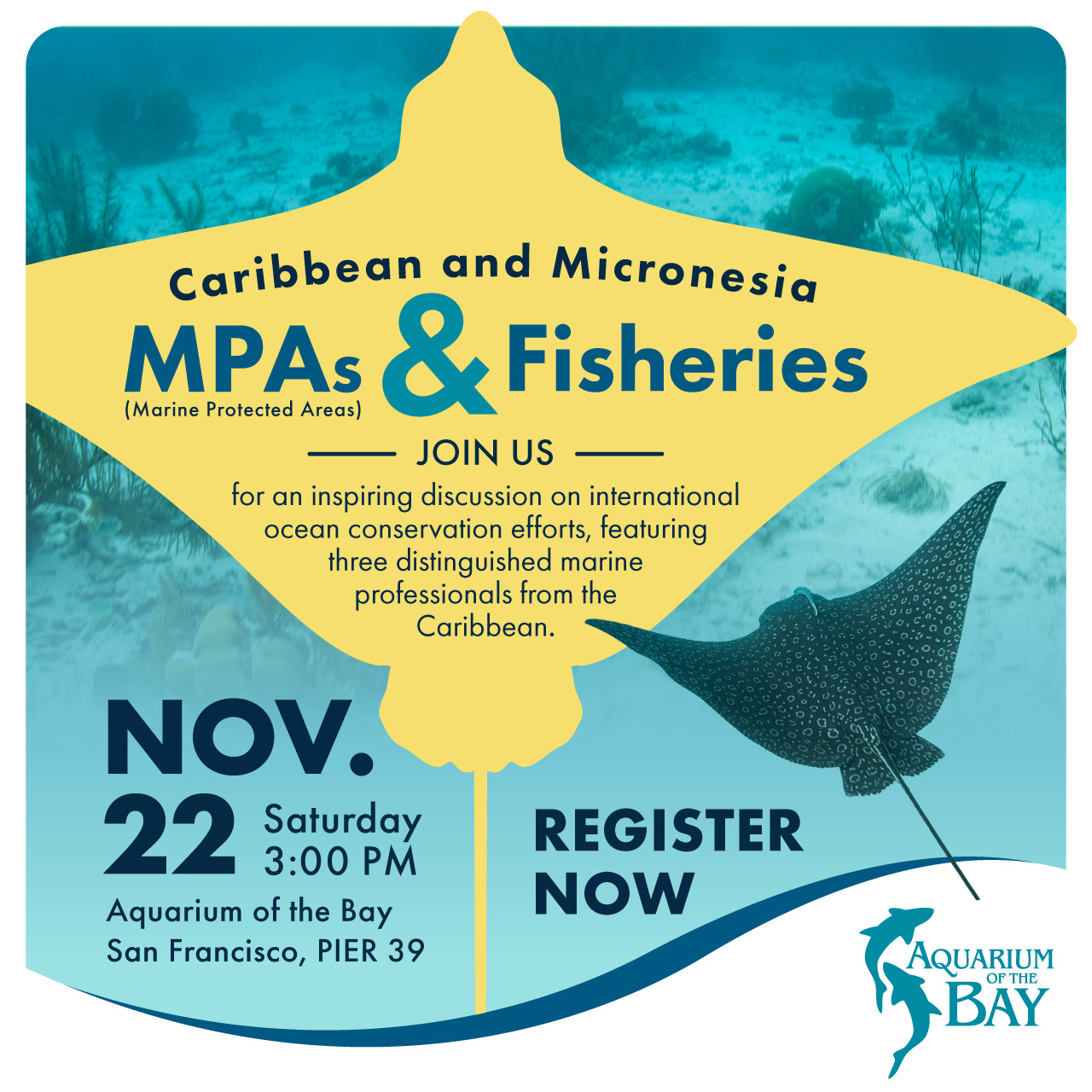
The health of our oceans is crucial for maintaining ecological balance and supporting life on Earth. Marine Protected Areas (MPAs) have emerged as critical habitats for not only marine species, but also for the communities that rely on these ecosystems. The discussion on international ocean conservation efforts will highlight the importance of MPAs, community participation, and international collaboration among nations.
Marine Protected Areas serve as designated zones where human activities are limited to safeguard marine ecosystems. These spaces play a vital role in conserving biodiversity, as they provide safe havens for endangered species, restore depleted fish stocks, and help maintain ecological integrity. Countries around the globe have established MPAs to combat the adverse effects of overfishing, pollution, and climate change. The upcoming event will showcase results from a recent expedition, focusing on best practices to manage these crucial areas effectively.
The foundation of successful ocean conservation often lies in the involvement of local communities. Engaging communities fosters a sense of ownership and responsibility towards protecting marine environments. Community-based management strategies not only empower locals but also lead to better compliance with conservation measures. In Belize, for instance, local fishermen have been actively involved in monitoring fish populations. They report their observations, which help researchers make informed decisions on sustainable fishing practices. This model underscores how community knowledge can be invaluable in managing coastal resources.
The event will feature case studies from Belize, Jamaica, and Palau, emphasizing lessons learned and strategies adopted in each locale. In Belize, the establishment of the Belize Barrier Reef Reserve System as a UNESCO World Heritage Site has highlighted successful collaboration between government, NGOs, and local stakeholders. This collaboration resulted in high levels of compliance with regulations, leading to better marine resource management.
In Jamaica, the creation of the Port Royal Marine Protected Area has illustrated the benefits of combining conservation with local livelihood opportunities. The initiative includes training programs for local fishers in sustainable practices, which not only aids conservation but also improves their economic situation.
Palau has gained international recognition for its “Palau Pledge,” which requires every visitor to commit to ecological responsibility. This integrative approach encompasses legal, cultural, and community aspects to protect marine environments. Through education and international partnerships, Palau demonstrates how nations can adopt multifaceted tactics for conservation.
International collaboration is key to addressing the transboundary nature of ocean ecosystems. Many marine species migrate across borders, so unilateral actions may prove insufficient. Collaborative efforts that involve multiple nations often yield better conservation outcomes. Organizations like the Marine Protected Areas Collaborative Network exist to facilitate information sharing, legal frameworks, and best practices among countries. The event provides an opportunity for participants to learn about successful models of international governance that can inspire global cooperation.
Those interested in protecting ocean ecosystems can participate in several ways. Attending conservation events like this discussion is a great start. It allows individuals to hear from experts, ask questions, and even network with other like-minded individuals. Volunteering with local conservation organizations can also provide practical experience and broaden understanding of marine issues. Public advocacy for ocean-friendly policies will amplify the voices of conservationists, urging policymakers to prioritize marine health.
In summary, the intersection of marine protected areas, community engagement, international collaboration, and active participation creates a robust framework for effective ocean conservation. This event will bring together insights from Belize, Jamaica, and Palau, discussing how best practices can be applied globally. By fostering open dialogues and sharing successful strategies, collective efforts toward preserving our oceans will be accelerated. Visit the specified website to register for this informative discussion and learn how you can contribute to international ocean conservation.
*****
Source Description
Join us for an inspiring discussion on international ocean conservation efforts! 🌎🌊✨
This event highlights the results of a recent joint expedition and learning exchange, showcasing best practices from Belize, Jamaica, and Palau.
Together, the speakers will share insights on marine protected area management, community engagement, and international collaboration in ocean governance.
To register, visit our website:
