
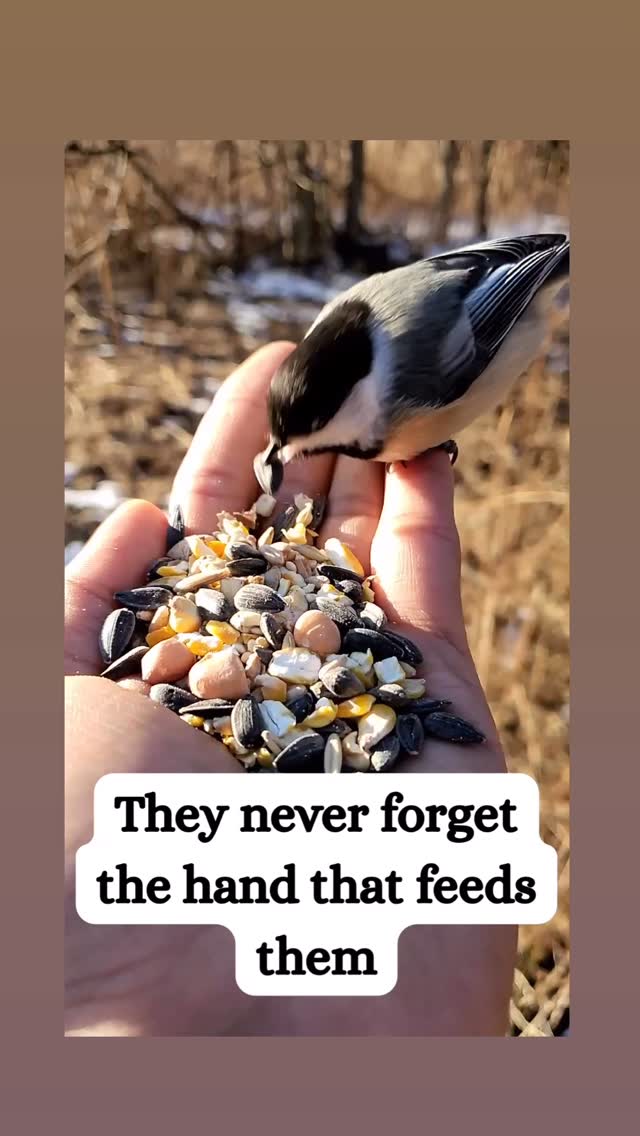
- Understanding the Benefits of Hand-Feeding Wild Birds
- Behavioral Considerations for Successful Hand-Feeding
- Safety Practices for Both Birds and Humans
- The Right Foods for Hand-Feeding
- Conservation Considerations and Ethical Practices
Feeding a wild bird straight from your hand is an enriching experience that brings individuals closer to nature. It acts as a bridge for understanding the lives of birds, enhancing appreciation for wildlife and its conservation. This activity not only enriches leisure time but also provides insights about avian behavior and ecology.
Understanding the Benefits of Hand-Feeding Wild Birds
Hand-feeding wild birds fosters a sense of connection between humans and wildlife. It allows people to observe bird behavior up close, enhancing appreciation for these creatures. This interaction can lead to increased awareness of environmental issues, as individuals become more invested in the well-being of birds and their habitats. Engaging with birds in this manner can also reduce stress and promote mental well-being. Studies have shown that spending time outdoors has therapeutic benefits, including reduced anxiety and improved mood.
Hand-feeding promotes education about the types of birds in one’s local area. Experienced bird watchers can share knowledge about specific species, their dietary habits, nesting behaviors, and migration patterns. This activity also opens discussions about the impact of urban development on bird populations, challenging individuals to think critically about the preservation of nature.
Behavioral Considerations for Successful Hand-Feeding
Bird behavior can be unpredictable, making it necessary to understand the nuances of avian interactions. Most birds are naturally cautious around humans. Their wariness stems from survival instincts developed over thousands of years. To successfully hand-feed a bird, individuals should create a calm environment by minimizing loud noises and sudden movements. Patience is crucial; birds may take time to approach.
Different bird species exhibit varying degrees of sociability and confidence. For instance, chickadees and nuthatches are known for being more adventurous and often approach humans more readily. Familiarizing oneself with the feeding habits of local birds can enhance the chances of success.
Using a consistent feeding location can help birds associate that spot with food. Over time, birds may come to recognize a person as a safe presence. People should adopt a relaxed stance, palms open and flat, to encourage birds to approach. This non-threatening position signals to birds that it is safe to land.
Safety Practices for Both Birds and Humans
While the act of hand-feeding wild birds is enriching, safety must be prioritized. Wild birds can carry diseases that might be transmitted to humans. Conditions such as avian influenza and psittacosis are examples of zoonotic diseases that can arise from close contact with birds. Washing hands before and after feeding can help mitigate these risks.
To protect the birds, it is vital not to offer processed foods like bread, which can be harmful. Proper hygiene in feeding areas is essential to prevent the spread of diseases among bird populations. Regularly cleaning feeding stations can contribute to healthier bird communities.
Human safety should also be considered. Birds may peck or scratch if they feel threatened. Maintaining a calm demeanor while respecting the bird’s space can help prevent accidents. If a bird seems agitated or distressed, backing away gently is advisable.
The Right Foods for Hand-Feeding
Selecting appropriate food is critical for the wellness of wild birds as well as the success of hand-feeding. Offering seeds from local flora is often the best choice. Sunflower seeds, peanuts, and safflower seeds are popular options for many species. Each bird has specific dietary needs that should be considered.
Using a mixture of foods can help attract a variety of birds. For example, suet can draw in woodpeckers, while mixed seeds may attract finches and sparrows. Understanding which species frequent specific areas can guide food selection.
Birds are generally opportunistic feeders, which means they will gladly take food that is readily available. However, providing appropriate foods not only enhances the likelihood of interaction but also supports their nutritional needs. In addition, making your own bird feeders filled with natural seeds allows the feeding experience to be extended beyond hand-feeding.
Conservation Considerations and Ethical Practices
Engaging in the practice of hand-feeding wild birds can have implications for conservation. While it is tempting to develop a close bond with individual birds, it is essential to recognize that hand-feeding can alter natural behaviors. Over-reliance on human-provided food can impact foraging skills and survival in winter months when food is scarce.
Educating oneself about local laws regarding wildlife feeding is also important. Some areas have regulations that prohibit feeding wild birds to protect them from becoming dependent on human-provided food. Conservationists advocate for observing birds in their natural habitats without interference as a way to foster a healthy connection with wildlife.
When interacting with wildlife, ethical considerations are paramount. Maintaining a respectful distance and not invading nesting areas is key to ensuring that birds remain undisturbed. Climbing trees or disturbing natural habitats for close encounters can cause stress for nesting birds.
Additionally, helping with habitat restoration can positively impact local bird populations. Planting native species that provide natural food sources, such as berries and nectar, can create environments where birds thrive. These practices not only support bird populations but contribute to biodiversity in local ecosystems.
Feeding wild birds straight from the hand can be a rewarding experience that enhances personal well-being and fosters an understanding of avian ecology. Through patience and respect for wildlife, individuals can build unique relationships with birds, becoming advocates for conservation and education.
As more people engage in hand-feeding, it’s crucial to remember that these practices should always prioritize the health and safety of both birds and humans. Utilizing appropriate feeding methods, practicing hygiene, and raising awareness about conservation will support the well-being of birds in the long term. Ultimately, hand-feeding wild birds is not just about the act itself but about developing a deeper understanding and appreciation for the natural world we all share.
*****
Source Description
Feeding a wild bird straight from your hand? Now that’s definitely a trust fall. 🐦✨
Would you try this?
Alt Text:
A small bird perched on a person’s outstretched hand, eating bird seed from their palm in a peaceful, natural setting.
