
- Importance of Weight Management in Animal Welfare
- Hank’s Journey: Understanding Animal Health Standards
- Impact of Weight Loss on Mobility and Abilities
- Long-term Care Strategies for Animals Post-Weight Loss
- Community Support in Animal Rehabilitation and Care
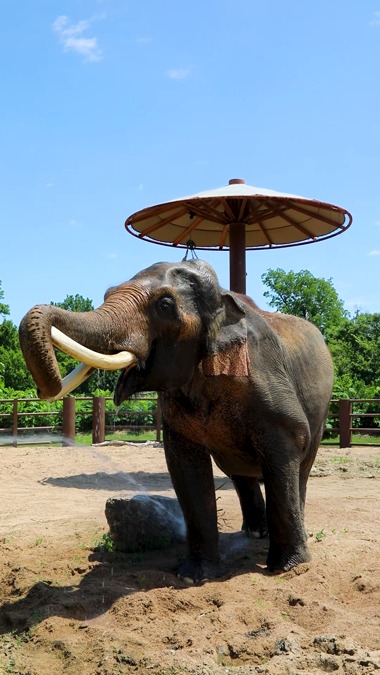
Weight management plays a crucial role in the overall health and wellbeing of animals, particularly in controlled environments like zoos and sanctuaries. When animals such as Hank, a notable elephant in our care, go through significant weight loss, it heralds a transformation that is much more than a number on a scale. The journey of Hank from an excessive weight classification to reaching an ideal weight of 12,600 pounds serves as a testament to effective animal husbandry practices and ongoing veterinary support. This article explores various themes surrounding Hank’s journey, from the science behind animal health standards to long-term care strategies that promote continued wellbeing.
Animal welfare standards emphasize not only proper nutrition but also regular health assessments to identify potential weight issues. The body condition of animals like Hank is assessed through various indicators beyond just weight, including behavioral patterns, mobility, and energy levels. In the case of Hank, our veterinary team utilized a multifaceted approach. This included dietary adjustments tailored to his specific needs, alongside exercise regimens suited to his capabilities. Focusing on a balanced diet rich in essential nutrients has proven effective in promoting good health, thereby allowing animals to achieve their ideal weights while ensuring that their bodies receive the ideal fuel for daily activities.
A weight loss journey can significantly impact an animal’s mobility and overall abilities. For Hank, shedding excess weight meant improved locomotion and increased energy levels. Elephants, as large mammals, face particular challenges when their body mass becomes excessive. High body weight impacts not just their mobility but also their mental state. Enhanced ability to move freely opens avenues for social interactions and behavioral enrichment, vital for species like elephants, who thrive on social bonds. After reaching his target weight, Hank displayed a newfound vivacity that was previously hindered. His playful behavior resumed, allowing him to engage more fully with other elephants.
Following weight loss, a well-devised long-term care strategy becomes critical. Animals that have undergone significant weight reduction require an ongoing plan to maintain their health. This includes continued monitoring of their dietary intake, ensuring they receive appropriate quantities of food alongside necessary vitamins and minerals. Regular veterinary evaluations are essential to evaluate their overall health status and address any arising issues promptly. With Hank, we’ve implemented a consistent routine of physical activities aligned with his post-weight loss abilities. This ensures he remains active and engaged without reverting to weight-gaining habits.
Community involvement significantly enhances the success of animal rehabilitation efforts. In Hank’s case, the support from both staff and visitors has played a pivotal role in his journey. Educational programs aimed at zoo visitors can spread awareness about the importance of animal care and welfare, emphasizing how vital the right diet and exercise are for overall health. Engaging the local community fosters a deeper understanding of the responsibilities involved in wildlife conservation and animal welfare. Our team frequently hosts workshops and talks, where we share insights into Hank’s story, inspiring others to take an active role in animal care and welfare, which ultimately benefits all the animals in our facilities.
The success of Hank’s weight management journey highlights the essential practices in animal care that can lead to improved outcomes for the lives of zoo animals. This involves not just addressing immediate weight concerns but looking at the broader implications of health, resulting mobility, and overall quality of life. The pathway to sustaining ideal weight is ongoing, demanding consistent oversight through nutrition and activity level adjustments.
It is also essential to communicate the importance of these standards and practices in animal welfare, ensuring that Hank’s transformation reflects a broader educational mission. Increasing awareness among the public can result in increased support and advocacy for animal health initiatives, potentially influencing policy changes that favor stricter care standards across settings.
Primary components to consider when managing animal weight include an assessment of a balanced diet, lifestyle alterations, and social enrichment. All these factors cannot be overlooked if we aim to replicate the success experienced with Hank. A comprehensive framework for animal management ensures that health standards are met while promoting happy, vibrant lives for all species under care.
Implementing weight management programs necessitates a keen understanding of individual animal needs, recognizing that one-size-fits-all models often fail in practical situations. By personalizing care and focusing on specific aspects of animal health, facilities can make more informed decisions that favor long-term progress rather than short-term fixes. Our experience with Hank serves as a case study, showing the impact of committed, individualized approaches to animal care.
One vital aspect that enables long-term weight management success is environmental enrichment. Providing stimulating environments encourages physical activity and cognitive engagement. For Hank, we have incorporated various activities, from walkable pathways to toys that stimulate his natural behaviors. This kind of enrichment is indispensable in ensuring that animals do not fall back into sedentary habits that may lead to weight gain.
The role of veterinary professionals also cannot be understated. Regular check-ups and health assessments support informed decision-making regarding diet and exercise modifications. Veterinary staff specialize in recognizing the subtle changes that might signal the need for adjustments in care regimens. Continual collaborations between the veterinary team and animal caretakers ensure that all strategies are effectively implemented and monitored.
By fostering a culture of care that includes multidisciplinary teamwork, zoos and sanctuaries enhance their capacity to provide optimal support for animals undergoing weight loss journeys like Hank’s. This supportive environment also creates opportunities for professional development among staff through training in nutrition, exercise science, and animal psychosocial needs.
Educating the public about how individuals can influence animal welfare is crucial. People visiting zoos can see firsthand the results of diligent care. When audiences witness transformations like Hank’s, it creates a powerful impact that resonates beyond the immediate experience. Knowledge and advocacy can extend to the realms of policy reform and wildlife conservation, where community support becomes an engine for systemic change.
Animal rehabilitation and welfare depend largely on comprehensive strategies that account for both immediate needs and long-term health goals. Hank’s journey illustrates the importance of flexibility in care plans and the necessity of adapting to the evolving needs of an animal. Essentials like proper weight measurement practices, nutritional strategies, veterinary guidance, and environmental enrichment form a cohesive framework that is critical for success.
This multifaceted approach not only benefits the animals in our care but also enriches our understanding of wildlife conservation and the ethical responsibilities we carry towards all creatures. By ensuring continued attention to factors influencing animal health, particularly in cases such as those experienced by Hank, we can contribute to the overarching mission of promoting health, happiness, and longevity in captive animal populations.
Through diligent observation and tailored care, zoos and wildlife facilities can pave the way for even more successful journeys like Hank’s, inspiring future conservation efforts and setting a high standard for animal welfare across the globe.
*****
Source Description
Since beginning his weight loss journey, Hank has reached his ideal weight of 12,600 pounds. With improved mobility, energy and overall fitness, our team has seen incredible changes in his wellbeing. What started as a weight loss journey has become a long-term lifestyle focused on strength, health and continued care. We’re proud of Hank for how far he’s come and look forward to supporting him as he continues to build a strong foundation for years to come. 🐘
