
- The ecological role and behavior of the Suwannee Alligator Snapping Turtle.
- The threats facing the Suwannee Alligator Snapping Turtle population.
- The importance of conservation efforts, including volunteer involvement.
- Legal protections and regulations surrounding the Suwannee Alligator Snapping Turtle.
- The significance of education and awareness in wildlife conservation.
The Suwannee Alligator Snapping Turtle is a remarkable species of turtle native to freshwater systems in Florida and Georgia. Characterized by its serrated shell and distinctive massive size, this turtle plays a critical ecological role in its habitat. They are primarily bottom feeders and have developed an interesting hunting technique using a lure within their mouths to attract prey. Their diet consists mainly of fish, amphibians, and crustaceans. Adult turtles can weigh well over 100 pounds, with some reaching lengths of nearly two and a half feet. Hatchlings, on the other hand, are significantly smaller, often endearing in appearance, and typically measure around the size of a quarter when they first emerge. Their small size makes them particularly vulnerable, as they often conceal themselves in vegetation and substrate to avoid predation.
The early life of the Suwannee Alligator Snapping Turtle is fraught with challenges. Hatchlings have a high mortality rate, and many don’t survive their first few years. This survival strategy of remaining hidden supports the population’s continuity, but as they mature, their status as vulnerable species comes to the forefront. Observations of hatchlings in natural habitats are rare but vital for understanding population dynamics. These findings can provide essential insights into the health of the ecosystem and the recovery potential for the species.
The threats to the Suwannee Alligator Snapping Turtle extend beyond natural predation. Habitat alteration is significant, driven by urban development, agriculture, and water diversion. These activities reduce their natural habitats, including rivers and swamps, where they thrive. The introduction of pollution further exacerbates these challenges, leading to diminished water quality that affects both the turtles and their food sources. In addition to environmental pressures, the illegal poaching of these turtles for their meat also poses a significant threat. Despite their size, they are sought after, impacting population numbers and breeding cycles. Accidental entanglement in fishing gear also results in drowning incidents, further depleting their numbers.
Conservation efforts focused on the Suwannee Alligator Snapping Turtle are ongoing and multifaceted. Various organizations are utilizing funds, expertise, and volunteer power to conduct population monitoring and habitat assessments. Our recent volunteer science initiative conducted surveys at Troy Springs State Park in Florida, where volunteers were fortunate enough to capture sightings of hatchlings. Engaging volunteers provides crucial manpower and skills while fostering community involvement in wildlife conservation. Volunteers not only gain hands-on experience but help raise awareness about the significance of protecting vulnerable species like the Suwannee Alligator Snapping Turtle.
Legal measures are in place to protect the Suwannee Alligator Snapping Turtle, classifying them under both state and federal protection. These laws establish specific guidelines for research and handling to prevent further decline. Permits are required for any interactions with this species, ensuring that any research or monitoring adheres to ethical guidelines. Such protections are critical in safeguarding the animals from overexploitation. Awareness of these legal protections can empower individuals and organizations to act responsibly regarding wildlife interactions.
Education and awareness play a vital role in wildlife conservation efforts. The general public often lacks knowledge about the unique needs and significance of species like the Suwannee Alligator Snapping Turtle. By enhancing understanding, communities can become advocates for conservation initiatives. Programs that educate local communities, schools, and other stakeholders can foster appreciation for these turtles and their habitats. Incorporating education into conservation initiatives cultivates a greater sense of stewardship, encouraging people to participate actively in preserving biodiversity.
The plight of the Suwannee Alligator Snapping Turtle serves as an important reminder of the interconnectedness of ecosystems. The turtles’ health is indicative of water quality and biodiversity within their habitats. Their decline poses a broader threat to ecosystem stability. By protecting the turtle, we are also working to safeguard the myriad of organisms that share its environment. As a result, efforts to promote the Suwannee Alligator Snapping Turtle’s survival align with broader conservation goals.
Volunteering for conservation programs can provide individuals with deeper insights into the challenges facing vulnerable species. Engaging in field surveys and hands-on projects allows volunteers to witness firsthand the turtles and their habitats. It can provide an irreplaceable educational component to conservation efforts, which, in turn, can enhance advocacy. Communities often rally around the stories of individuals who have a personal connection to unique species. The sighting of a baby Suwannee Alligator Snapping Turtle can ignite passion and foster connections, empowering people to support conservation endeavors.
As observant individuals, we can contribute significantly to the conservation of the Suwannee Alligator Snapping Turtle. Citizens can report sightings, advocate for habitat protection, and participate in local cleanup efforts to enhance water quality. Spreading awareness about the species is equally crucial. Sharing information through social media platforms can create a ripple effect, reaching a broader audience and inspiring others to engage in wildlife protection activities.
In summary, the initiatives surrounding the Suwannee Alligator Snapping Turtle are a prime example of how dedicated efforts can foster positive change. Their ecological role and vulnerable status underscore the importance of ongoing conservation measures. By supporting field surveys, legal protections, and educational outreach, we collectively work to ensure the survival of this remarkable species. Through active involvement and advocacy, the future of the Suwannee Alligator Snapping Turtle can be protected, preserving its place in our ecosystems for generations to come.
*****
Source Description
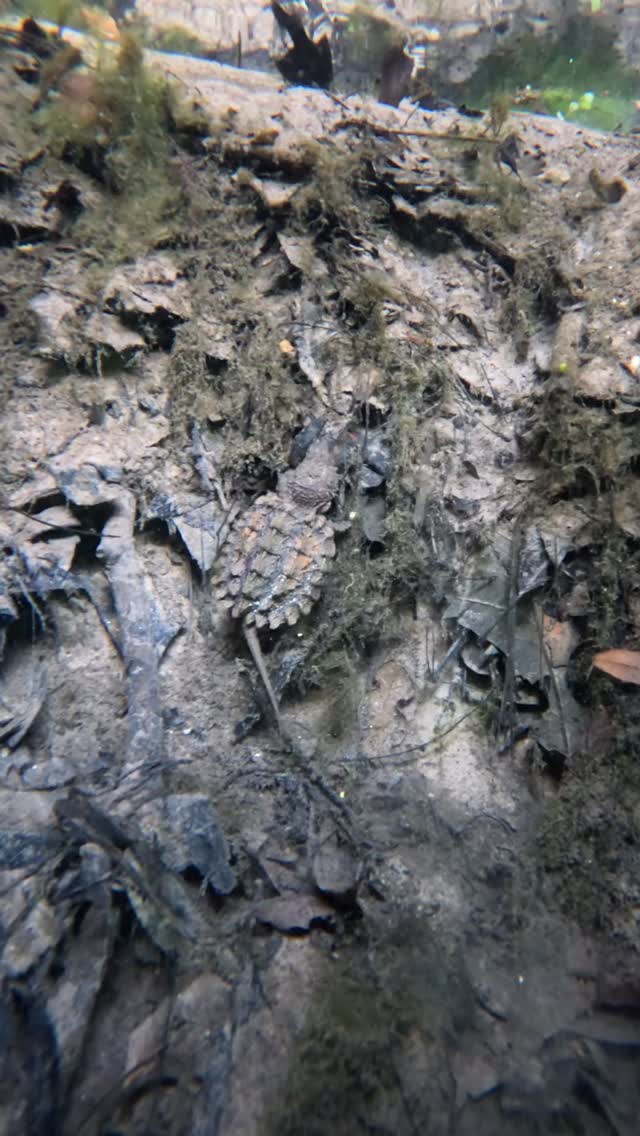
This might not look like the formidable Suwannee Alligator Snapping Turtle you’re used to, because they’re just so adorable when they’re so small! 💚
Recently, our Volunteer Science program performed a population monitoring survey at Troy Springs State Park in Florida. Along with many other species native to the region, our volunteers had the rare opportunity to encounter a Suwannee Alligator Snapping Turtle hatchling swimming along!
Hatchlings of this species are seldom seen in the wild. They tend to stay hidden to avoid predators until they’re large enough to defend themselves. With a declining population—due to habitat alteration and degradation, poaching for consumption and trade, and incidental entanglement and drownings in fishing gear—it is becoming more difficult to find Suwannee Alligator Snapping Turtles in areas they were once abundant. We’re working to protect this species through field surveys and population monitoring, and we couldn’t do it without our dedicated volunteers.
To learn more about the Suwannee Alligator Snapping Turtle, and other vulnerable species we work with, head over to our website under the Species Finder—linked in the bio!
**The Suwannee Alligator Snapping Turtle is protected at both the state and federal levels and may only be handled under permit.**
Pictured: Suwannee Alligator Snapping Turtle (Macrochelys suwanniensis)
IUCN Red List Status: Vulnerable
🎥: Rachael Harff
