
- Overview of July Birthdays in the Animal Kingdom
- Profiles of Notable Zoo Residents Born in July
- Importance of Zoo Management and Animal Conservation
- Celebration of Animal Birthday Events in Zoos
- Engaging the Public in Wildlife Conservation Efforts
Animal birthdays provide a unique opportunity to celebrate both the individual animals and the broader efforts in wildlife conservation. For those born in July, this month brings a collection of special anniversaries that can inspire a deeper appreciation for the species and ecosystems they represent. Let’s explore what makes July birthdays in the animal kingdom worth celebrating and delve into the lives of some remarkable zoo residents.
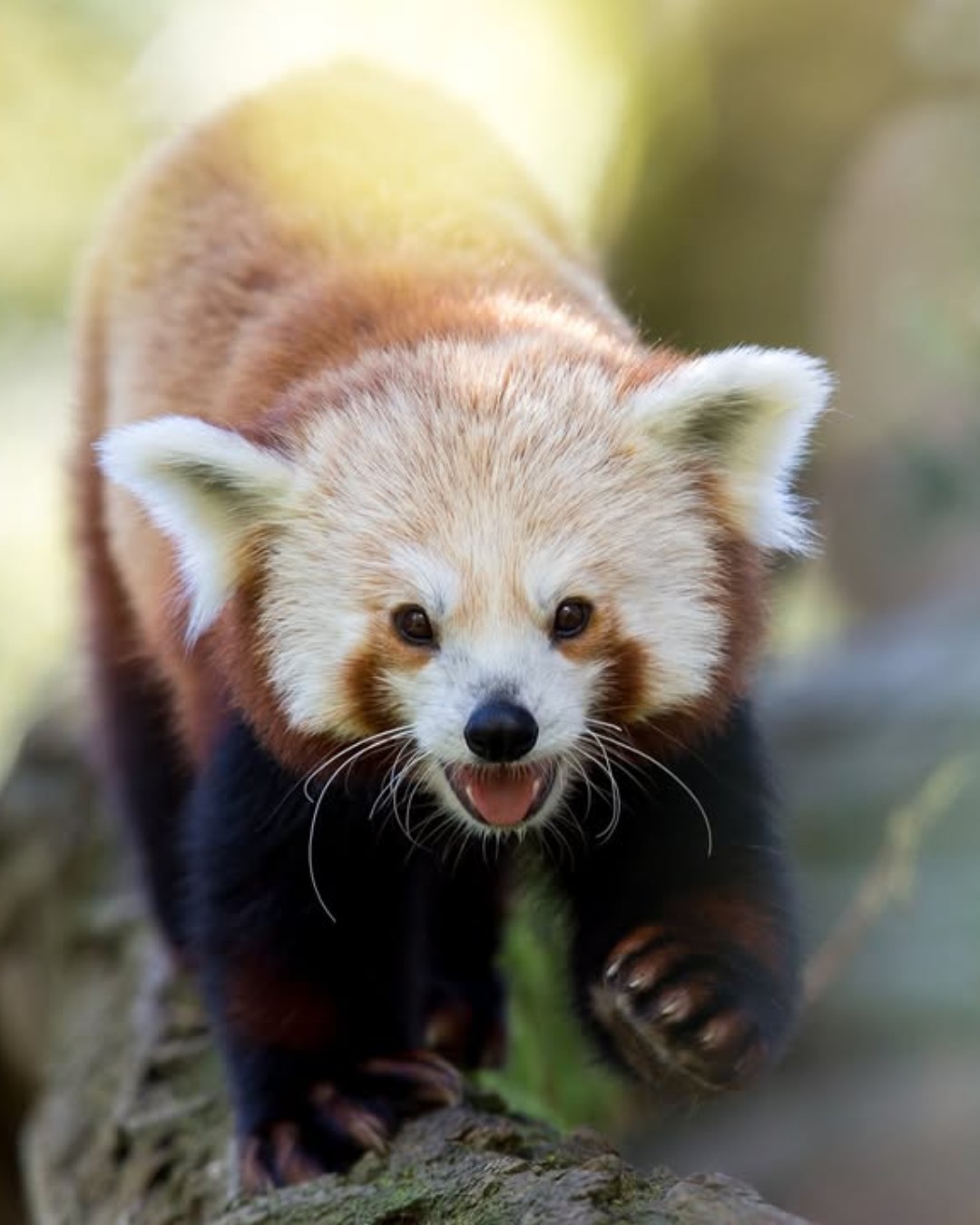
One way to appreciate these animals is through a deeper understanding of their characteristics and habitats. For instance, Carson, the red panda born on July 1, 2014, captures hearts with his playful demeanor. Red pandas are classified as vulnerable species, largely due to habitat loss and poaching. Their diet mainly consists of bamboo, but they exhibit a variety of behaviors, including climbing and socializing with others. Educating the public about red pandas can encourage conservation efforts in their native habitats, primarily found in the Eastern Himalayas.
Next, Akenji, the gorilla born on July 24, 2001, offers insights into the complexities of primate behavior. Gorillas exhibit intricate social structures, often living in groups led by a dominant male called a silverback. Social dynamics among these animals can be fascinating, particularly as they nurture familial bonds. The conservation status of mountain gorillas has thankfully improved in recent years due to intensive conservation efforts, highlighting the importance of ongoing work in this area.
Another notable July birth is Tufani, the giraffe born on July 8, 2008. Giraffes, with their long necks and unique coat patterns, are often viewed as symbols of the African savanna. However, they are currently listed as vulnerable, facing threats such as habitat fragmentation and poaching. Understanding these challenges can motivate zoo visitors to engage in conservation campaigns that focus on protecting their habitats.
Fitz the jaguar, born on July 20, 2017, embodies the power and grace of big cats. Jaguars are known for their ability to live in diverse habitats, including rainforests, wetlands, and grasslands. Their role as apex predators is critical for maintaining the ecological balance. Celebrating Fitz’s birthday emphasizes the need for habitat preservation, especially considering jaguars face pressures from deforestation and illegal hunting.
Bagus the siamang, born on July 26, 1993, brings attention to the plight of lesser-known species. Siamangs are among the largest gibbons and are recognized for their distinctive vocalizations and strong family ties. They play a vital role in their ecosystems by aiding in seed dispersal. Unfortunately, habitat loss due to logging and agricultural expansion has impacted their populations. Public awareness is key to ensuring their continued survival.
Annabelle and Bailey, the pot-bellied pigs born on July 19, 2016, highlight an often-overlooked aspect of animal welfare in zoos. While pot-bellied pigs are not endangered, their popularity as pets can lead to abandonment and neglect. Zoos can play an educational role in ensuring potential pet owners are informed about the commitment required for proper care. Both pigs have unique personalities and contribute to the zoo’s overall educational mission about animal care and ethical pet ownership.
Another July birthday worth noting is Aibek the snow leopard, born on July 6, 2017. Snow leopards are elusive cats found in the mountainous regions of Central and South Asia. Their thick fur and long tails are adaptations to high-altitude living, but they face severe threats due to climate change and poaching. Raising awareness about their conservation status is crucial given that snow leopards are listed as vulnerable. By celebrating Aibek’s birthday, zoos can motivate visitors to contribute to global conservation efforts focused on preserving cold-climate fauna.
The importance of zoo management in these contexts cannot be overstated. Effective management strategies are necessary to ensure animal welfare and engage the public. Zoos provide critical educational programming that encourages visitors to learn about conservation and the ecological roles of various species. They often collaborate with local and international organizations, sharing knowledge and resources to foster species recovery programs.
Birthday celebrations, like those for the various July-born animals, serve as platforms for zoos to connect visitors to wildlife conservation initiatives. Events often include educational talks, animal encounters, and fundraisers to support conservation projects. These celebrations highlight the need for individuals to take an active role in wildlife preservation.
A major aspect of engaging the public involves thinking critically about their involvement in conservation efforts. Zoos can offer workshops and volunteer opportunities, giving the community practical ways to contribute. Through such engagement, visitors can leave with actionable steps they can take to help protect wildlife and their habitats.
Making a commitment to wildlife conservation involves understanding and addressing threats faced by various species. From supporting legislation aimed at protecting natural habitats to participating in citizen science projects, the general public can make a significant impact. Expanding the conversation about conservation can also take place on social media platforms, where awareness can spread rapidly.
Another key facet of animal birthday events is their potential for fostering emotional connections. Observing animals during celebratory activities—such as having cake made of their favorite foods—can create lasting memories for visitors. These emotional connections often inspire individuals to become advocates for species on the brink of extinction, as they realize the importance of preserving biodiversity for future generations.
Zoos often provide training to staff members to better understand animal behaviors and promote effective outreach. By enhancing the skills of zoo personnel, these institutions can effectively communicate the significance of the animals’ birthdays. Staff-led tours and informational sessions can engage different demographics, including school groups and families, to foster an interest in wildlife.
Collaboration among zoos also enhances these birthday celebrations. Many animals may be part of breeding programs designed to maintain genetic diversity among species. By engaging in cooperative breeding programs, zoos can help create sustainable populations of endangered species. Offering shared resources allows for more comprehensive education and conservation efforts across institutions.
Visual storytelling is another powerful tool in connecting visitors to the plight of wildlife. In describing the lives of the July-born animals, photos and videos can evoke an emotional response that encourages action. By sharing compelling stories about the unique characteristics and challenges faced by these animals, zoos can inspire a new generation of wildlife advocates.
Each of these remarkable animals born in July—Carson, Akenji, Tufani, Fitz, Bagus, Annabelle and Bailey, and Aibek—plays a unique role in their ecosystems. They serve as ambassadors for their species and are critical in educating the public about wildlife conservation. By devoting attention to their stories and birthdays, zoos not only celebrate their lives but also galvanize action towards a more sustainable future for all wildlife.
Zoos also participate in broader conservation programs, providing support that extends beyond their gates. This includes funding for field research projects, rehabilitation centers, and even local education programs in habitats where these animals naturally occur. Strong partnerships with conservation organizations enhance overall effectiveness in safeguarding wildlife from extinction.
As we acknowledge the animals born in July, it becomes clear that these celebrations go far beyond mere festivities. They encapsulate a chance for education, advocacy, and community engagement. By embracing July birthdays of these fascinating creatures, we reinforce the connection between humans and wildlife, inspiring greater action for conservation.
*****
Source Description
We’re not saying those born in July are the cutest, but… happiest birthday all you July babes!
Carson the red panda: July 1, 2014
Akenji the gorilla: July 24, 2001
Tufani the giraffe: July 8, 2008
Fitz the jaguar: July 20, 2017
Bagus the siamang: July 26, 1993
Annabelle and Bailey pot-bellied pigs: July 19, 2016
Aibek the snow leopard: July 6, 2017
