
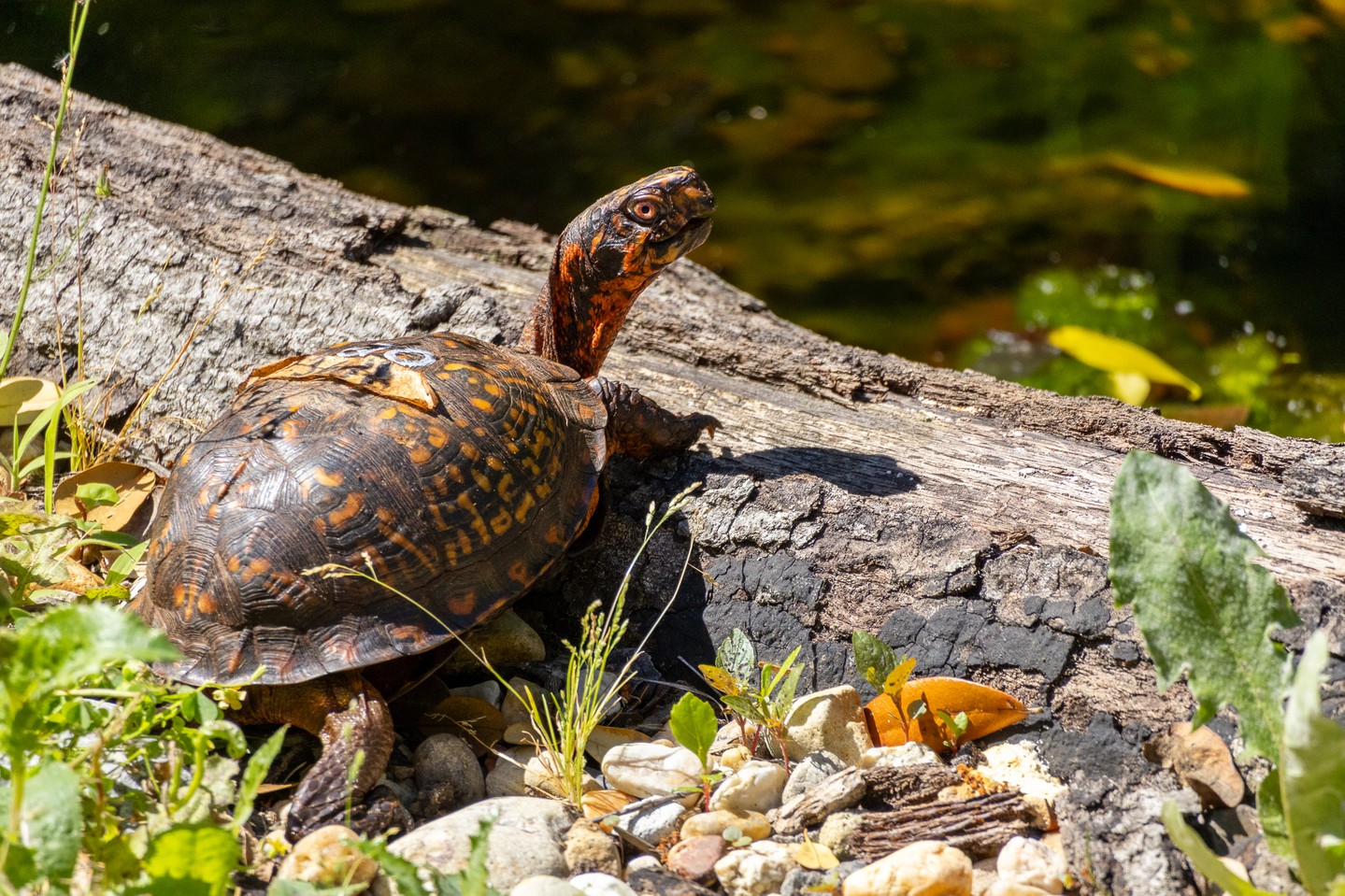
- The journey of rescue turtles from illegal wildlife trade to zoo residency
- The quarantine process and health assessments for new zoo animals
- Conservation and educational roles of zoos in preserving turtle species
- The role of the Wildlife Center of Virginia in animal rehabilitation
- The significance of ethical wildlife management and public awareness
Rescuing turtles from the illegal wildlife trade is a challenging yet critical mission in the quest to preserve biodiversity. The Wildlife Center of Virginia recently transferred 14 turtles, including 12 Eastern box turtles and 2 common musk turtles, to the Virginia Zoo. These reptiles had previously faced perilous conditions after being confiscated from illegal trade. For over two years, these turtles awaited a safe future, as they were declared non-releasable by authorities. Their arrival at the zoo marked a significant moment in their journey towards a more secure life while highlighting the zoo’s role as a sanctuary and educator.
The transition of these turtles from capture to their eventual introduction into zoo exhibits involves a series of intricate steps. Initially, each turtle undergoes a thorough quarantine process lasting over a month. This phase is crucial to ascertain the health of the turtles and prevent the potential spread of pathogens to other zoo inhabitants. During this period, veterinary teams conduct comprehensive health assessments, applying diagnostic techniques such as blood tests and fecal analyses. By doing so, they aim to detect any signs of illness or disease, ensuring that only healthy animals are integrated into existing populations.
Once cleared from quarantine, the turtles can be moved to their new, carefully designed habitats. Areas like Turtle Oasis and the World of Reptiles offer environments that mimic the turtles’ natural habitats, complete with appropriate humidity levels, temperature controls, and dietary considerations. The zoo staff, well-versed in reptile husbandry, also educates visitors on the vital role turtles play in ecosystems as part of the zoo’s conservation efforts.
Zoos today are pivotal in the conservation of threatened species. By providing sanctuary to animals unable to return to their natural habitats, they allow species like the Eastern box turtle and the common musk turtle to thrive in a controlled environment. Zoos also act as educational platforms, raising public awareness about issues such as the illegal wildlife trade and the importance of conservation. Engaging the community through interactive exhibits and knowledgeable staff helps foster a connection between visitors and the natural world, promoting a sense of responsibility and stewardship.
The Wildlife Center of Virginia plays a crucial role in wildlife rehabilitation. By caring for and evaluating non-releasable animals, the center serves as a bridge between wildlife rescue and zoo placement. Their collaboration with zoological institutions ensures that rescued animals are given proper care and an opportunity to serve as ambassadors for their species. This collaboration underscores the importance of partnerships in wildlife conservation.
Ethical wildlife management is an essential aspect of modern zoological practice. It involves maintaining high standards of animal welfare while balancing the need for public education. By being transparent about animal origins and care practices, zoos can cultivate trust and support from the community. Public awareness campaigns further emphasize the detrimental impact of illegal trade and habitat destruction, encouraging sustainable behaviors and the protection of wildlife.
In celebrating the arrival of these 14 rescue turtles, the narrative of their journey highlights broader themes in wildlife conservation. It reflects the dedication of organizations and institutions committed to preserving biodiversity and underscores the importance of ethical practices in both wildlife rescue and zoo management. Through education, awareness, and ongoing conservation efforts, there lies hope for a future where both humans and animals can coexist harmoniously.
*****
Source Description
Happy 🐢 What better way to shell-ebrate this special occasion than announcing the arrival of 14 new rescue turtles from the Wildlife Center of Virginia to the Zoo!
Over two years ago, 12 Eastern box turtles and 2 common musk turtles were confiscated from the illegal wildlife trade and deemed non-releasable. Thankfully, the Wildlife Center of Virginia was able to care for them as their legal proceedings occurred; some turtles awaited placement for nearly 27 months! On April 1, these new residents arrived at the Virginia Zoo, and 36 days later on May 7, they were cleared from quarantine to their new exhibits in Turtle Oasis and the World of Reptiles.
But what does it take to introduce new turtles to the Zoo? Check out our blog at the link in our bio to learn more about the slow-moving 😉, yet fascinating process! (Swipe to the end for the cutest new resident!)
