
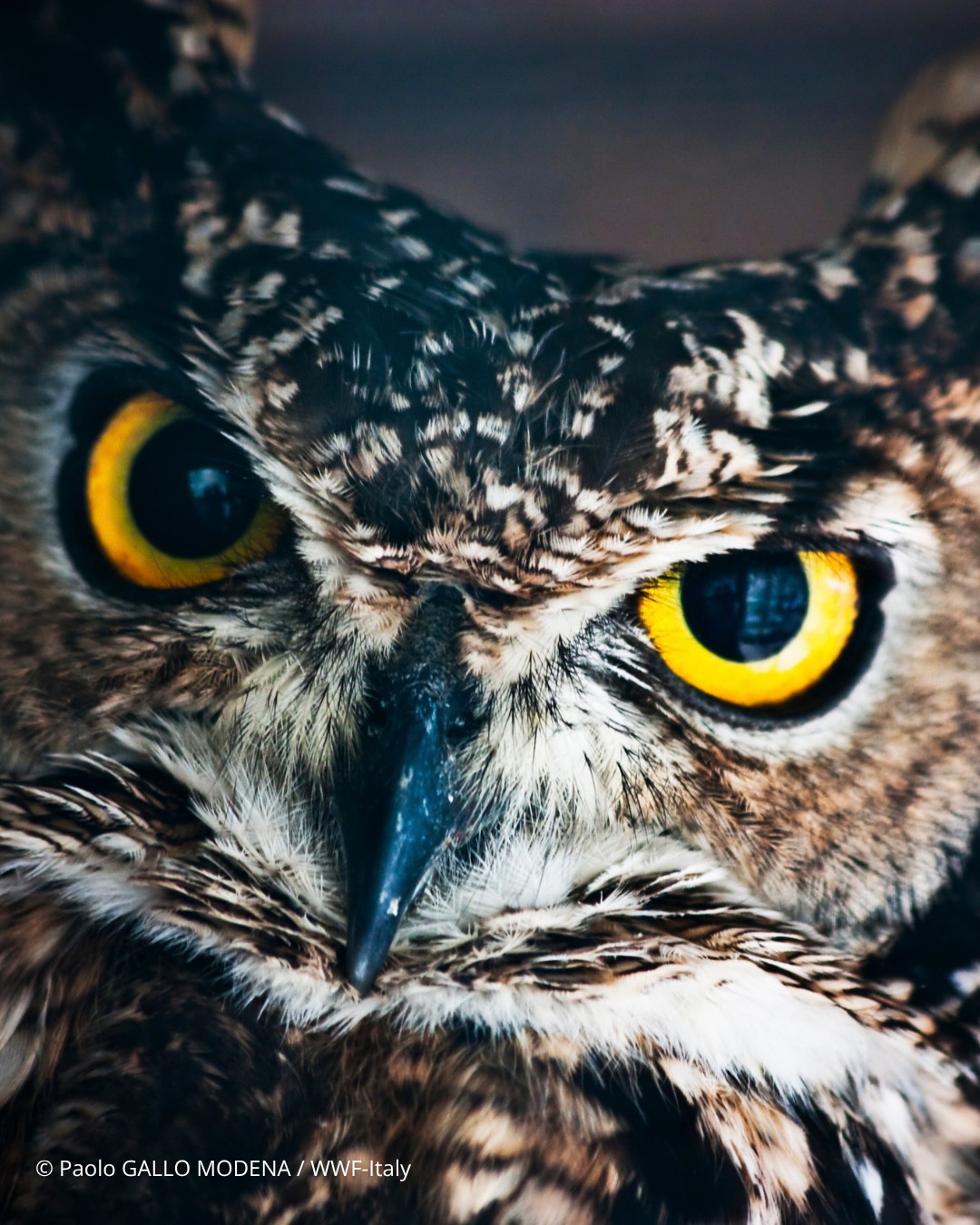
- Nighttime creatures play crucial ecological roles.
- Adaptations enable survival in darkness.
- Conservation efforts are essential for nocturnal wildlife.
- Diverse species showcase the complexity of nighttime ecosystems.
- Engaging with nocturnal life enhances public awareness and appreciation.
Nighttime creatures contribute significantly to the health of our ecosystems. These animals fulfill vital roles, from pollinators to predators, helping to maintain the balance within their habitats. In the dark hours, various species operate with a specialized set of adaptations that allow them to thrive. By understanding these adaptations and the necessity of conserving these species, we appreciate the interconnectedness of all life forms.
Nocturnal animals possess remarkable adaptations that allow them to navigate the challenges of darkness. Many have developed exceptional eyesight. For instance, owls have large eyes equipped with a high number of rod cells, which are sensitive to low light. This allows them to see in conditions that would be nearly pitch black for humans. Similarly, many species of bats have excellent echolocation, emitting high-frequency sounds that bounce off objects, enabling them to “see” their environment through sound.
Besides vision, other adaptations are equally impressive. For instance, animals such as the North American raccoon have sensitive front paws that allow them to explore and manipulate objects in the dark. This tactile development is essential for foraging and tree climbing. Some species, like the opossum, have a remarkable ability to enter a state of temporary paralysis when threatened. This adaptation can deter predators and allow for safer traversal in their environment.
Conservation of nocturnal wildlife is paramount for the sustainability of our ecosystems. Many nocturnal species are facing significant threats, including habitat loss, pollution, and climate change. For example, the decline of bat populations, crucial for pest control and pollination, can be attributed to both white-nose syndrome and habitat destruction. Protecting their habitats and maintaining healthy ecosystems is critical for their survival and the broader environmental health.
Engaging the community in the protection of nighttime creatures has numerous benefits. Hosting educational events increases public awareness about the importance of these animals and promotes conservation efforts. Programs such as night hikes offer people firsthand experience with nocturnal species, illuminating their behaviors and ecological roles. Such activities inspire action and foster a sense of stewardship for the environment, encouraging individuals to advocate for sustainable practices.
The diversity of nocturnal wildlife is expansive, encompassing various species adapted to specific environments and niches. For instance, the African bush baby relies on excellent night vision and remarkable leaping abilities to navigate through trees in search of food. Meanwhile, the red fox displays adaptable hunting strategies that enable it to thrive in urban settings. Each species showcases a fascinating array of characteristics that highlight the intricacies of nocturnal life.
Species like the barn owl play a critical role in agriculture by controlling rodent populations. This natural form of pest control is not only noticeable in reducing crop damage but also minimizes the need for chemical pesticides. Similarly, nocturnal pollinators like moths contribute to the reproduction of numerous plant species, maintaining biodiversity. By appreciating and understanding these ecological contributions, communities can recognize the importance of protecting these essential species.
Innovative conservation strategies are necessary to safeguard nocturnal wildlife. One approach is creating protected areas where human activity is limited, allowing habitats to remain undisturbed. Additionally, implementing policies that reduce light pollution can make urban environments more hospitable for nighttime creatures. Artificial light has significant impacts, disrupting the natural behaviors of many species. For example, sea turtles struggle to find their way to the ocean after hatching when artificial lights misguide them. Addressing these issues can greatly enhance the survival chances of various nocturnal animals.
Researchers continue to study the habits and habitats of nocturnal species to inform conservation efforts effectively. Monitoring populations through various methods, such as camera traps and acoustic monitoring, provides invaluable data on the health of different species. This information guides conservation planning, ensuring that efforts are directed where they will be most effective. The integration of technology in research enhances our understanding of nocturnal wildlife and helps track their movements and behaviors.
Public interest in nocturnal species has led to increased funding for research and conservation initiatives. Zoos and wildlife reserves often play a pivotal role in conservation. They implement breeding programs for endangered species, educate the public, and conduct research that aids in species recovery. By collaborating with academic institutions and conservation organizations, zoos can leverage their resources to make a more significant impact.
Engaging local communities is essential for successful conservation outcomes. Citizen science initiatives encourage individuals to contribute to research efforts, such as monitoring local bat populations or documenting pollinator activity in gardens. These programs foster a sense of responsibility and connection to the environment. When people feel involved, they become advocates for conservation, pushing for policies that benefit nocturnal wildlife.
On a personal level, individuals can take steps to create nocturnal-friendly environments in their own backyards. Planting native vegetation can provide essential habitats and food sources for nighttime creatures. Avoiding pesticides not only aids in protecting beneficial wildlife but also contributes to a healthier environment. Building bat houses can also encourage these important insectivores to take up residence, assisting with natural pest control.
Various cultural narratives and folklore highlight the fascination humans have with nocturnal wildlife. Often, these stories reflect our complex relationship with nighttime animals, portraying them as both protectors and symbols of fear. By grounding these tales in science, we can reshape perceptions of these creatures, recognizing their value instead of fearing them.
Nighttime creatures are not just confined to the deep woods or rural landscapes. Urban areas also host a variety of nocturnal wildlife. From raccoons scavenging in city parks to owls nesting in urban trees, cities can provide unique habitats for these animals. Urban wildlife parks or green spaces are essential for maintaining biodiversity, and community efforts to preserve them can drastically improve local ecosystems.
Furthermore, understanding the behaviors of nocturnal wildlife can inspire innovative solutions to human-wildlife conflicts. For instance, neighborhoods grappling with raccoon invasions may benefit from community awareness programs about securing waste and potential attractants. This proactive approach can mitigate negative interactions while simultaneously educating the public about the importance of these animals in the ecosystem.
Conservation efforts aimed at nocturnal wildlife can adapt to address emerging challenges. Climate change poses risks, such as habitat shifts and altered food availability, necessitating research on how species adapt to changing conditions. By focusing conservation efforts on resilience, we can help nocturnal creatures survive and thrive despite these pressures.
Learning about the creatures of the night not only enriches our understanding of biodiversity but also deepens our connection to the natural world. Observing nocturnal species fosters a sense of wonder and respect for the complexity of ecosystems. Encouraging curiosity about these animals through educational programs and experiences can ignite a lifelong commitment to conservation.
Sharing experiences and knowledge can further amplify the impact of conservation. Communities that celebrate and promote their local nocturnal wildlife foster an atmosphere of stewardship. Collaborative events organized by conservation groups, zoos, and educational institutions can generate enthusiasm and action. Working together, people can create a united front to protect the diverse life that thrives in the dark.
By investing in education, conservation, and community engagement, we can advocate for the protection of these essential species. Every effort to understand and safeguard nocturnal creatures translates to a healthier ecosystem for all species, including humans. In recognizing their roles and value, we pave the way for a sustainable partnership with nature.
*****
Source Description
This meet the real creatures of the night 🦉
From watchful eyes in the dark to quiet movements through the trees, nature’s night shift plays a vital role in keeping our ecosystems in balance.
Protecting them is no trick. It’s a treat for nature and people 💚
Which is your favourite creature of the night? Tell us in the comments!
