
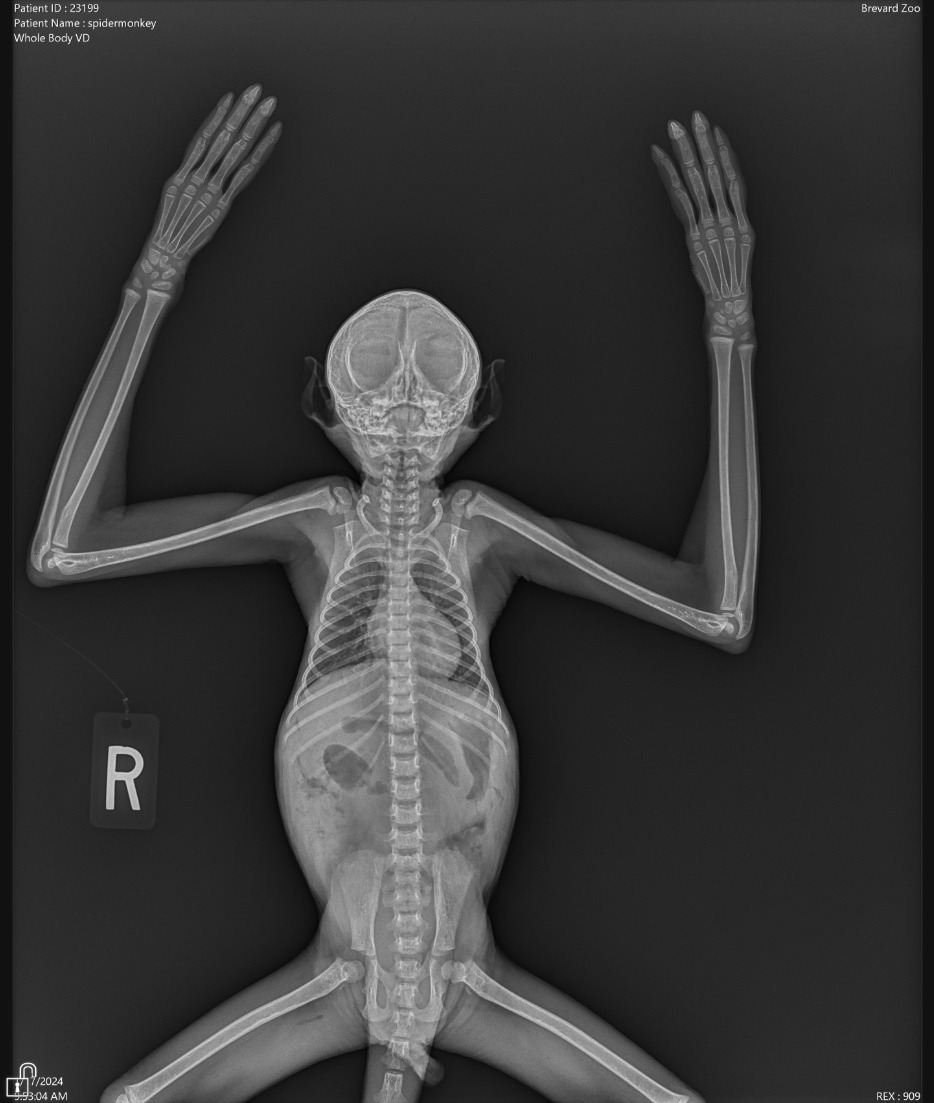
- Happy Halloween from our Zoo family and the importance of veterinary care in wildlife conservation
- An overview of the species featured in our spooky X-ray reveal: spider monkey, American crocodile, bald eagle, and pinfish
- The significance of X-ray imaging in animal health examinations
- How Halloween festivities promote awareness of zoo conservation efforts
- Engaging the public in wildlife conservation through educational experiences
At our zoo, Halloween is a time to celebrate not only spookiness but also the incredible work our veterinary staff does to maintain the health of our animal residents. In this spirit, we proudly unveil a series of spooky X-rays that provide insight into the anatomy of some of our most fascinating animals. This educational excursion is not just about Halloween; it’s a chance to reflect on the vital role that veterinary care plays in wildlife conservation.
The spider monkey is an intriguing species that showcases both intelligence and agility. Found in the tropical rainforests of Central and South America, these primates display remarkable social structures, often living in groups that can include up to 35 individuals. What sets spider monkeys apart is their prehensile tail, which allows them to navigate their arboreal habitat with ease. The X-ray of our spider monkey reveals the intricate bone structure that supports their unique adaptations, such as long limbs and flexible joints, essential for swinging through trees at incredible speeds.
Veterinary examinations, including those utilizing X-ray technology, are important for monitoring the health and development of spider monkeys. Routine checks can reveal conditions such as skeletal abnormalities that might arise from congenital issues or nutritional deficiencies. These insights support not only the well-being of spiders monkeys in captivity but also contribute to conservation strategies aimed at protecting their populations in the wild. Unfortunately, habitat loss due to deforestation poses significant risks to their survival, making the work done by our veterinary team even more critical.
The American crocodile, a native of the U.S. Southeast and parts of the Caribbean, is a powerful predator found in various aquatic habitats, including brackish waters. This species is vital to maintaining the balance of ecosystems as it helps regulate fish populations and removes deceased animals from their habitats. Our X-ray of the American crocodile highlights not just its formidable skeleton but also how its specialized jaw structure allows it to capture and consume a wide variety of prey, ensuring its success as a top predator.
The role of veterinary care extends beyond just treating injuries or diseases. For the American crocodile, regular health assessments can help identify issues such as infections or reproductive health challenges. Furthermore, successful breeding programs in zoos contribute to the genetic diversity of this species, aiding in the conservation of populations that face threats from illegal hunting and habitat degradation. By supporting conservation efforts, our veterinary staff works to promote understanding and appreciation for this remarkable reptile.
Bald eagles, a symbol of the United States, are not just awe-inspiring with their majestic wingspan and remarkable vision; they also play a significant role within their ecosystems as apex predators. Nestled atop the food chain, these birds help maintain healthy populations of fish and other small animals. The X-ray of our bald eagle reveals the skeletal adaptations that contribute to its strength and agility, such as robust wing bones designed for powerful flight.
Being aware of the various predicaments facing bald eagles is crucial in our conservation efforts. Threats like habitat destruction, pollution, and lead poisoning have serious implications for their populations. Veterinary care can be instrumental in rehabilitating injured eagles and conducting health assessments to ensure that they thrive in their environments. This commitment to animal welfare goes hand-in-hand with our dedication to educating the public about the importance of protecting their natural habitats.
The pinfish may seem less glamorous than the other species we have examined, but it plays a significant role in marine ecosystems. As a small fish common in estuarine and coastal waters, pinfish serve as both prey for larger species and a key player in maintaining the health of seagrass beds. By grazing on algae and detritus, pinfish contribute to the overall health of their environment, fostering biodiversity in coastal ecosystems.
Veterinary involvement with pinfish and other marine species often goes unnoticed, but it is vital in studying their health and behavior. X-ray imaging helps us understand their anatomy, including the unique swim bladder that allows them to maintain buoyancy at various depths. Monitoring the health of such species can also provide valuable information about the overall well-being of marine ecosystems, indicating changes in environmental conditions.
Halloween festivities provide an ideal platform for increasing public interest in wildlife conservation. During this time, families visit our zoo to enjoy themed events, and educational programs highlighting the importance of animal health gain visibility. These experiences foster a connection between visitors and wildlife, encouraging a greater understanding of the responsibilities we share in protecting these remarkable species.
The integration of Halloween themes with educational programming allows us to captivate diverse audiences. By presenting animal care from a light-hearted angle, we engage visitors of all ages and inspire them to learn more about wildlife conservation. Through interactive exhibits, special talks from our veterinarians, and fun activities, we share the message that conservation is essential, not just for Halloween but every day.
Our veterinary staff plays an indispensable role in wildlife conservation, and their commitment to animal care enables us to monitor and support our zoo residents. The use of X-rays, in particular, is an invaluable diagnostic tool allowing us to explore the anatomy of our animals while also fostering a deeper understanding of their biology.
Each Halloween, we celebrate not only the colorful festivities but also the dedicated work that goes into caring for our animal residents. While the X-rays of the spider monkey, American crocodile, bald eagle, and pinfish may seem spooky, they offer insights into the complex lives and health challenges faced by these animals. This understanding is crucial in our ongoing efforts to ensure their survival in the wild.
Public interest in wildlife conservation continues to grow, and our zoo is at the forefront of these efforts. By showcasing the veterinary side of animal care, particularly during special events, we encourage visitors to appreciate the importance of protecting our planet’s biodiversity. Engaging conversations about wildlife health can inspire advocacy and support for conservation initiatives that strive to secure a future for our precious wildlife.
This Halloween, embrace the spirit of the season while also celebrating the remarkable work by our veterinary team at the zoo. Through their commitment to the health of our animals and the education of our visitors, we not only make a positive impact on our residents but simultaneously advocate for wildlife conservation efforts that extend far beyond the confines of our facility. Happy Halloween from our Zoo family!
*****
Source Description
Happy Halloween from our Zoo family! Thanks to our amazing veterinary staff for pulling these oh-so-spooky X-rays of our animal residents for us. Check out what species these X-rays belong to below👇
🐒spider monkey
🐊American crocodile
🦅bald eagle
🐟pinfish
